Last updated: June 2026 — prices and hours verified June 2026.
Most Chicago guides were written by people who spent three days here, hit the Magnificent Mile, photographed the Bean, and went home. I’ve been here nine years. I live in Wicker Park. I know which pizza place is actually worth the wait and which one got famous because it’s next to the hotel.
This is the list I give to every friend who visits. In order of what to prioritize if your time is limited.
Before Anything Else: Understand the Neighborhoods
Chicago doesn’t work like Manhattan, where you can walk from thing to thing. It’s a city of distinct neighborhoods — each with its own character, food scene, and reason to visit. The mistake most visitors make is staying in the Loop and treating everything else as a day trip.
The quick geography lesson: The Loop is downtown — financial district, museums, the river. The Magnificent Mile is Michigan Avenue north of the river — shopping, hotels, tourists. Everything interesting is west and north of there.
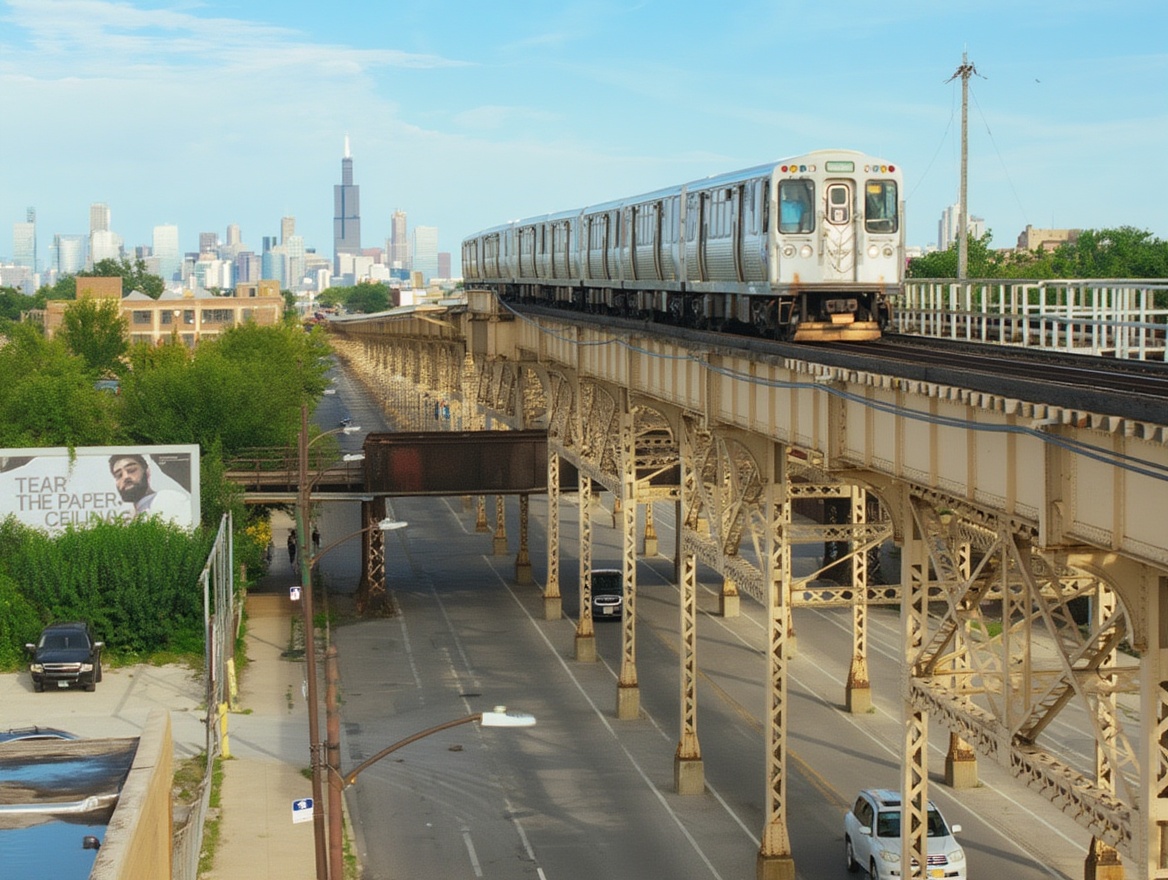
The L (the elevated rail — say it like a letter, not “el train”) runs on colored lines. You’ll use the Blue Line for Wicker Park and Logan Square, the Red Line for Lincoln Park and Wrigleyville, the Brown Line for Andersonville and Ravenswood, and the Green Line for Pilsen and the south side. A single ride is $2.50. Day passes are $5. The Blue Line runs 24 hours. Everything else gets sparse after midnight.
ℹKnow Before You Go
DO NOT take a rideshare from O’Hare to downtown — the flat rate runs $55–70 and can take 45 minutes in traffic. The Blue Line from O’Hare to the Loop is $5 and takes 45 minutes regardless of traffic. Same destination, same time, eleven times cheaper.
The Chicago Architecture Cruise: Start Here
If you do one paid activity in Chicago, do this. Ninety minutes on the Chicago River, going past 50+ buildings with a guide who actually knows the history behind them. It is the fastest way to understand how this city was built, why it looks the way it does, and why the architecture here is worth taking seriously.
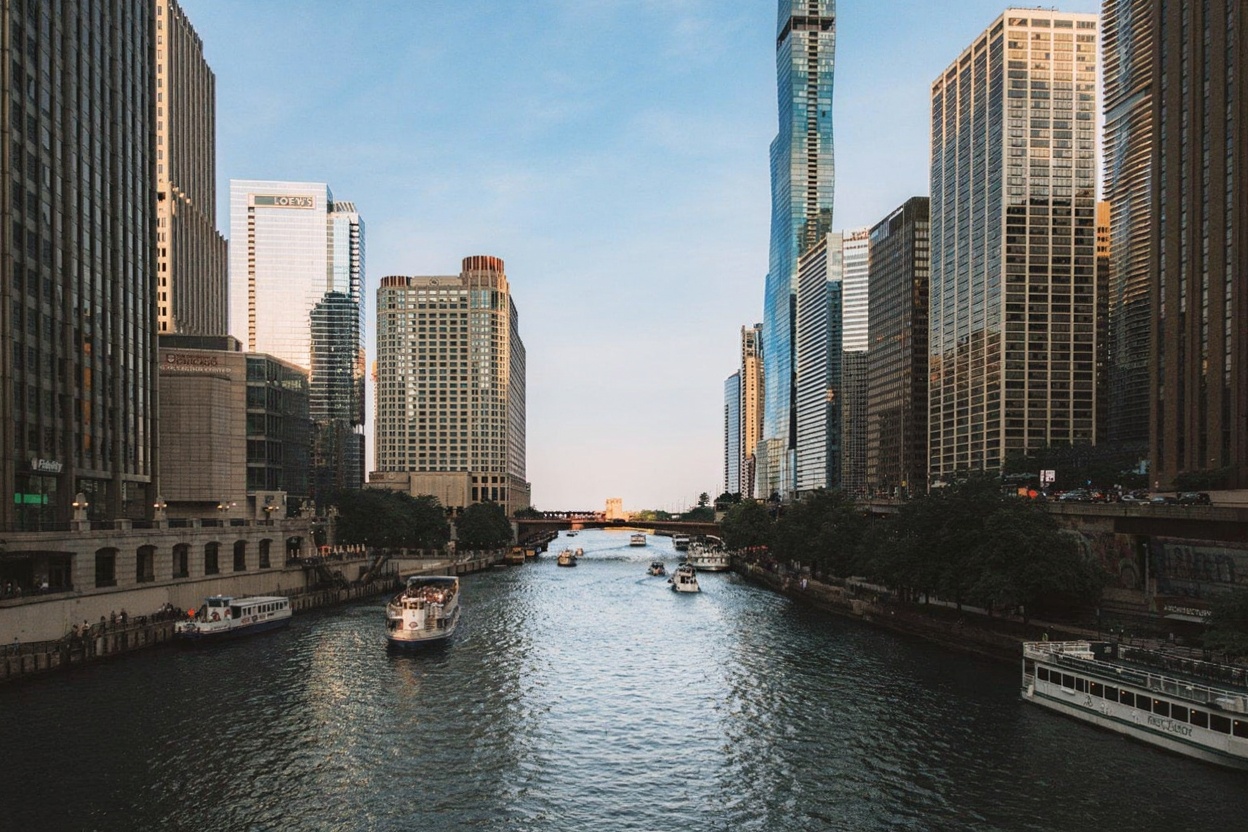
The Chicago Architecture Center runs the main boat tours — departs from the Michigan Avenue Bridge, runs May through November. Cost: around $45 per adult for the standard 90-minute tour. Book in advance on weekends; the boats fill up. On weekdays in shoulder season you can often walk up same-day.
If you want the free version: the Chicago Architecture Center at 111 E. Wacker Drive has a permanent exhibition that covers the same material. Not the same as being on the river, but it’s free with a suggested donation and takes about an hour.
•RYAN’S PICK
Do the 10am cruise on a weekday morning — the light on the river before noon is better than afternoon, the boat is less crowded, and you’re back by noon with the whole afternoon free. The weekend evening cruises are fine but they charge more for essentially the same tour with more people on board.
Art Institute of Chicago: The Actual Good Museum
Chicago has a lot of museums. The Art Institute is the one worth paying for.
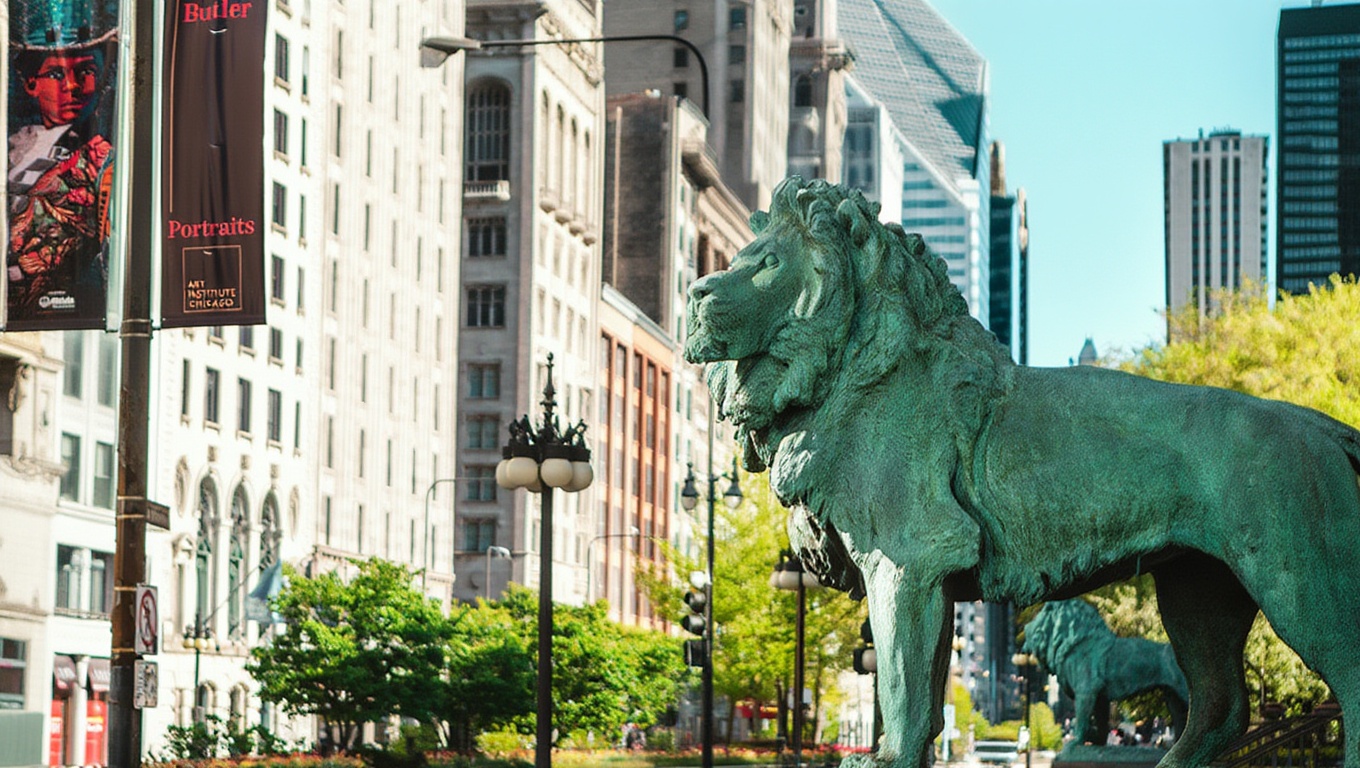
Admission: $26–$32 for adults (varies by special exhibitions). Free for Chicago residents, free for under-14 always, free for Illinois residents on certain evenings. The permanent collection — Impressionists, American, Architecture, Photography — is substantial enough that two hours feels rushed. Three is better.
The highlights most people come for: A Sunday on La Grande Jatte by Georges Seurat (the one from Ferris Bueller — yes, that’s here), the Thorne Miniature Rooms, and the Architecture gallery. The Impressionist floor is genuinely excellent and not as crowded as it sounds like it should be.
Located on Michigan Avenue at Adams, Red or Green Line to Adams/Wabash. Buy tickets online — the queue at the door on weekends can be 30 minutes even after they’ve scanned your ticket.
Free Things to Do in Chicago (That Are Actually Good)
Chicago does free unusually well. Here’s what’s worth your time without paying.
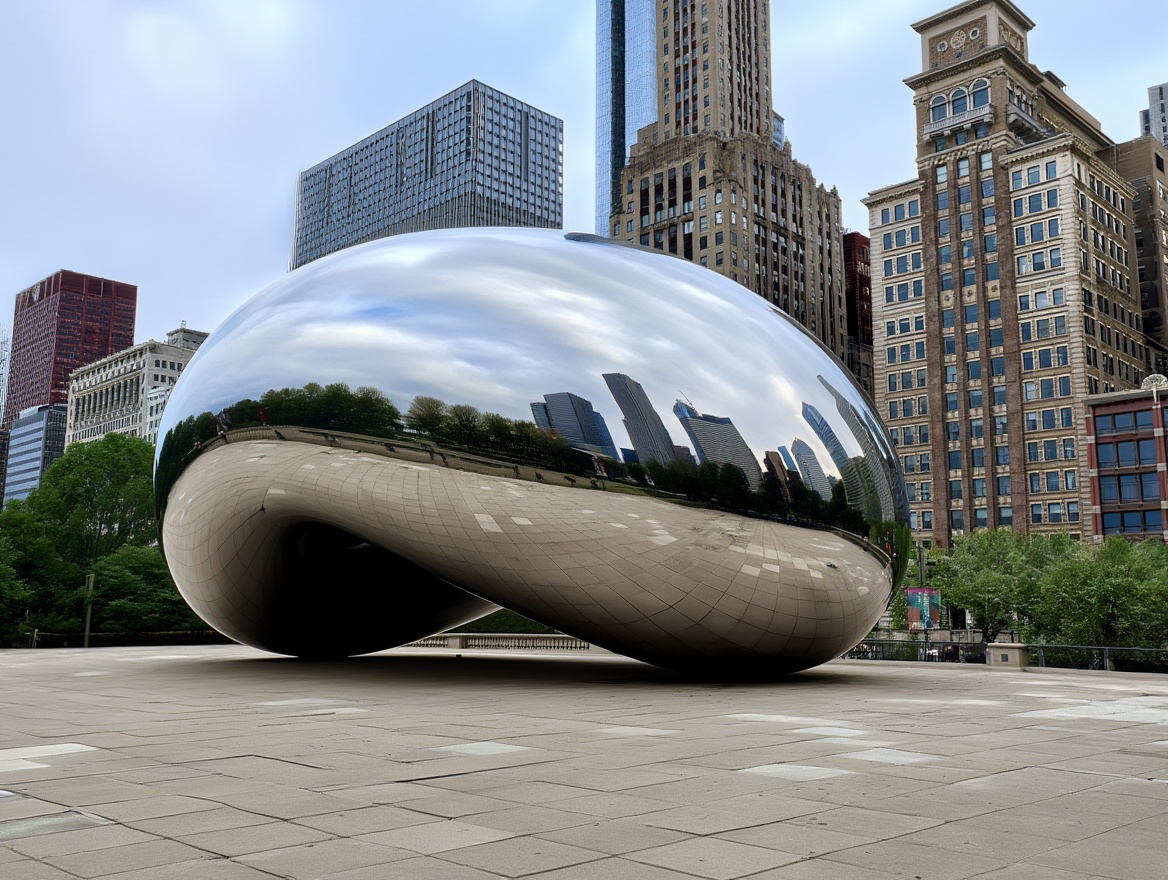
Millennium Park — Grant Park’s corner at Michigan and Randolph. The Bean (officially Cloud Gate) is the thing you’ve seen in photos: a 110-ton reflective steel sculpture that distorts the skyline into a funhouse mirror. Takes about 20 minutes. Completely free. Go early morning on a weekday for fewer people and better light. The park also has free outdoor concerts in summer, a skating rink in winter ($13 skate rental but free to watch), and a rotating public art program.
Lincoln Park Zoo — one of the last free admission zoos in the country. Genuinely good — over 200 species, well-maintained, not a depressing small-cage situation. Located in Lincoln Park, accessible from the Red Line, Fullerton stop, then a 15-minute walk. Budget two to three hours. Crowded on summer weekends; go on a weekday morning.
The Riverwalk — the pedestrian path along the Chicago River through the Loop. Free to walk (some restaurant/bar sections charge). The stretch from Lake Shore Drive to Lake Street is about 1.3 miles. Good views of the architecture from below. The kayak rentals ($25/hour) are worth it if you want to be on the water without paying for a full boat tour.
Pilsen Murals — the 18th Street corridor in Pilsen (Blue Line to 18th Street, or Pink Line to 18th) has the best street art concentration in the city. Not a curated tour — just blocks of buildings covered in work by Chicago and Latin American artists. The area around 18th and Halsted is densest. Takes a couple of hours to walk properly. While you’re there: the tamale cart that parks on 18th Street most weekday mornings is the one I send people to specifically. Cash only, $2 each. Get three.
Willis Tower Skydeck: The Honest Take
The Willis Tower Skydeck — and specifically The Ledge, the glass-box extension that juts out from the 103rd floor — costs $36–$45 per adult. The views are excellent. The question is whether excellent views of Chicago are worth $40 when you can get very good views for free from the Riverwalk, from the Lake Michigan shoreline, or from the roof of certain hotels that don’t require a reservation.
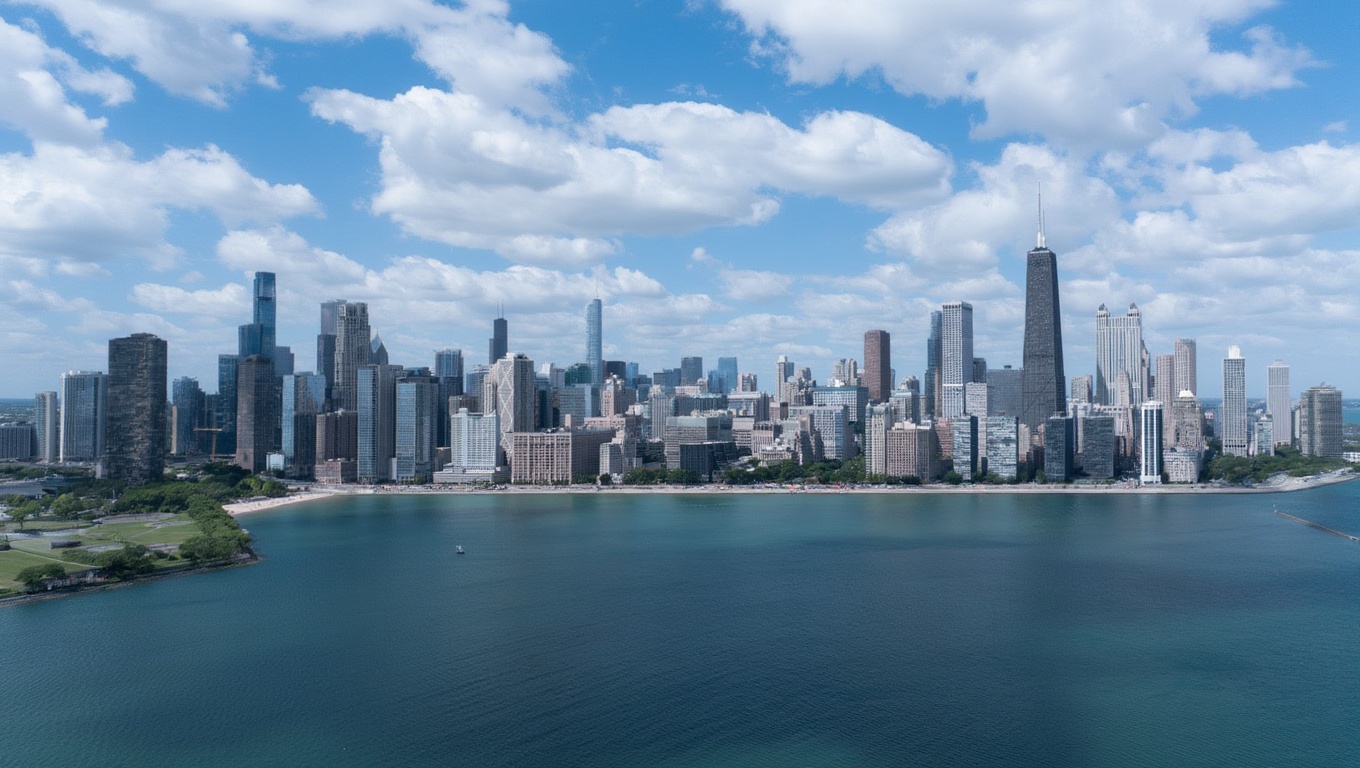
Here’s the thing: if you’re visiting Chicago for the first time and you want the full skyline panorama experience, the Skydeck delivers it. The glass floor is fun, the 360° view is genuinely impressive, and on a clear day you can see Michigan, Indiana, and Wisconsin.
If you’re working on a tighter budget, skip it. The view from the South Michigan Avenue waterfront at golden hour, looking north along the shoreline with the skyline behind you, is free and arguably better as a photograph.
⚠Real Talk
The Skydeck has a tendency to be sold out or have long waits if you don’t book ahead. Buy tickets online before you go — walk-up pricing is higher and the queue management on busy days is chaotic. Expect 20–30 minutes even with a timed ticket.
The Chicago Food Scene: What’s Actually Worth It
Chicago has three things people come specifically to eat: deep dish pizza, Italian beef sandwiches, and the Chicago-style hot dog. All three deserve your attention. Only one of them has a meaningful quality gap between the good version and the tourist version.

Deep dish: Lou Malnati’s, not Giordano’s. This is not a debate I entertain. Giordano’s is fine; Lou Malnati’s is the real thing — butter crust, proper cheese distribution, sausage patty rather than crumbled sausage. The Wrigleyville location on Clark Street is my recommendation: less tourist concentration than the River North flagship, same pizza, usually a shorter wait. Expect 30–45 minutes for a small pie. A small feeds two people who aren’t very hungry; order a large if you’re serious. About $28–36 for a small/medium deep dish. See the full breakdown in Best Deep Dish Chicago.
Italian beef: Al’s Beef on Taylor Street in University Village (Red Line to Cermak-Chinatown, then a bus, or cab it). Order it “wet dipped” — that means the whole sandwich goes into the beef jus before it’s handed to you. The giardiniera is hot. You will drip. There is no dignified way to eat an Italian beef and that’s not something to apologize for. About $9–12 for a sandwich.
Chicago hot dog: Vienna Beef, no ketchup, on a poppy seed bun with mustard, relish, onion, tomato, pickle, celery salt. The ketchup rule is not a joke — don’t order it with ketchup. Portillo’s or any street cart you can find. About $4–6.
Live Music: Blues, Jazz, and What’s Actually Playing
Chicago has a legitimate music legacy — the blues migrated here from the Mississippi Delta in the early 20th century, and Chicago electric blues (Muddy Waters, Howlin’ Wolf, Buddy Guy) is a distinct genre, not just a category. The jazz scene is serious, particularly on the south and west sides.
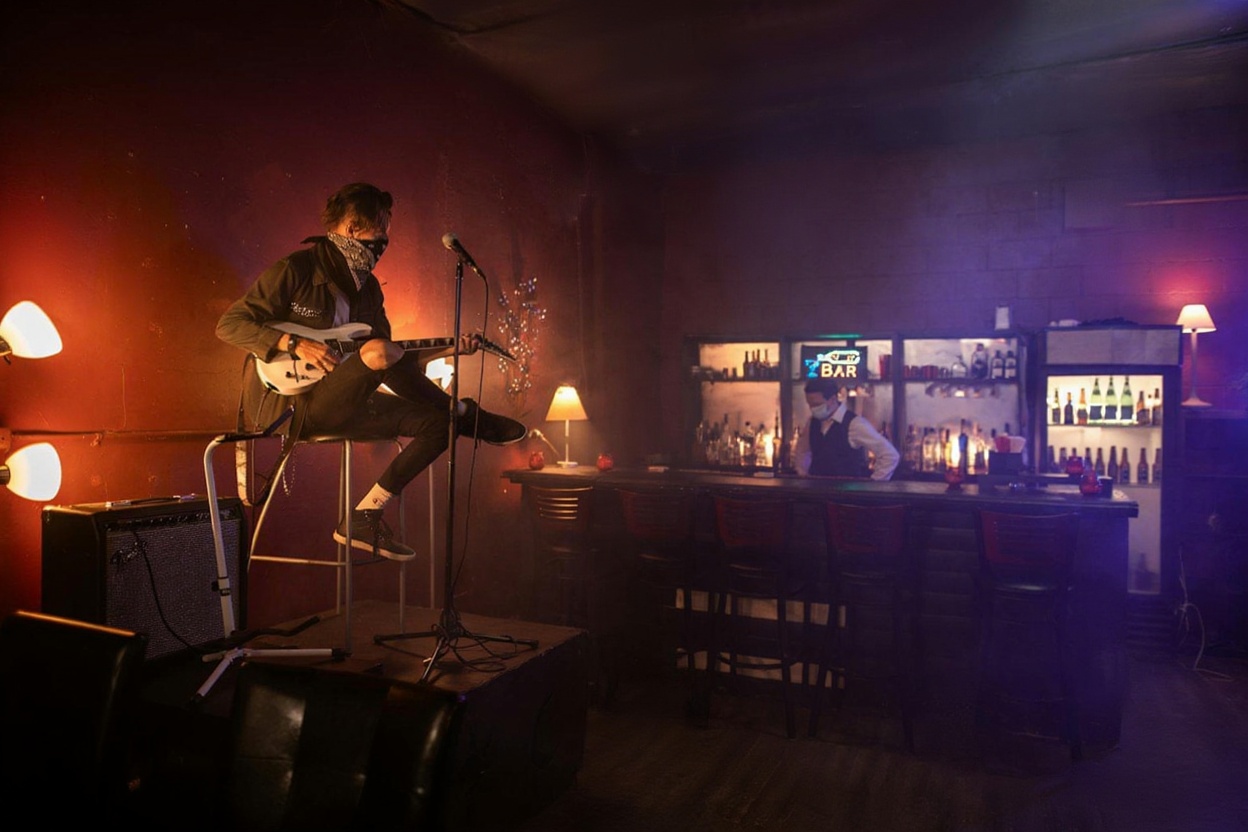
Buddy Guy’s Legends — 700 S. Wabash, in the South Loop. This is the real deal: Buddy Guy still plays here occasionally (check the calendar), and the regular rotation of Chicago blues musicians is legitimate. Cover charge runs $10–20 depending on the act; no cover on many weekday nights before 9pm. The food is better than it needs to be — the jambalaya is good. Red Line to Harrison, then a short walk south.
Jazz Showcase — 806 S. Plymouth Court, also in the South Loop. Chicago’s premier jazz room — national and international acts, excellent sight lines, serious audience. Tickets run $20–35 depending on the performer. Book in advance for weekend shows; weeknights often have walk-up availability.
Green Mill — in Uptown, 4802 N. Broadway. Chicago’s oldest jazz bar, opened in 1907, Al Capone’s rumored booth still in the corner. The Sunday jazz jam runs from 8pm and is always good. Cover varies. Red Line to Lawrence, about 5 minutes walk. This is the bar I take people to when they say they want to see the “real Chicago” — it’s been the same for 120 years.
•RYAN’S PICK
Green Mill on a Sunday night. Get there by 8pm to get a seat at the bar. Order a whiskey sour. Listen to the jam. If someone tells you which booth Al Capone supposedly sat in, tip them. That’s it — that’s the whole recommendation.
Neighborhoods Worth a Half Day Each
If you read only one section of this article, read this one. The city is in its neighborhoods.
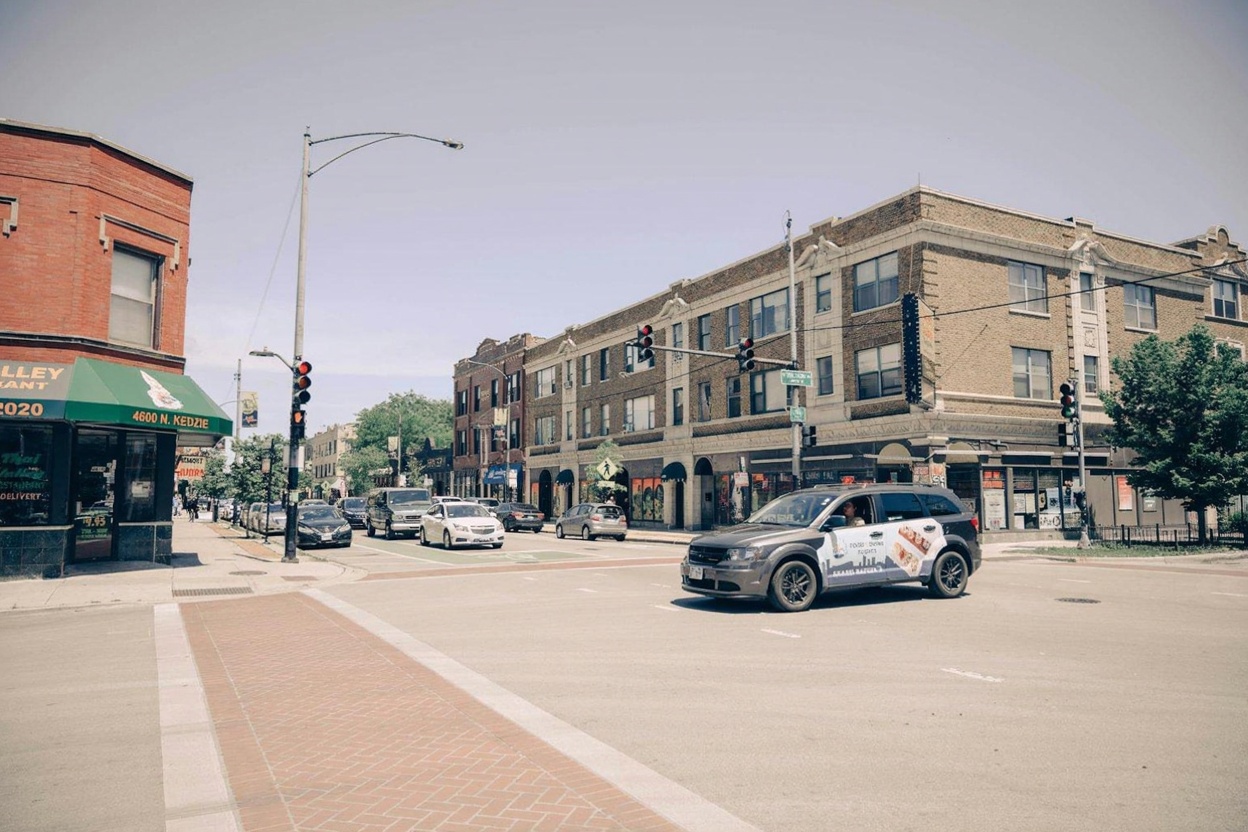
Wicker Park — Blue Line to Division. The six-corner intersection at Milwaukee, Damen, and North Avenue is the center. Boutiques, coffee shops that have been there since the ’90s, and a bar density that makes weekend nights interesting. Sunday morning: the Wicker Park farmers’ market (June–October) runs until noon. Get there by 10am before the good produce is gone. The neighborhood is walkable and compact — you can see most of it in two to three hours.
Logan Square — Blue Line to Logan Square. Slightly less polished than Wicker Park, more interesting for food. The restaurant scene here — Lula Cafe, Bungalow by Middle Brow, Giant — is some of the best in the city. The boulevard system in Logan Square (the wide tree-lined streets) is worth walking just to see how Chicago’s park system connects the neighborhoods. The farmers’ market on the boulevard runs Sundays.
Pilsen — Pink or Blue Line to 18th. The Mexican American cultural center of Chicago. The murals on 18th Street are the main draw, but the food (specifically the taquerías and bakeries along 18th) and the National Museum of Mexican Art (free admission) make it a full half-day. Go on a weekday — the weekend crowds in summer are manageable but the weekday version is more relaxed.
For a deeper look at all of Chicago’s neighborhoods and which ones to prioritize for your trip: Chicago Neighborhoods Guide.
The Confession: What I Got Wrong Once
I have waited two hours at Girl & the Goat on a Saturday without a reservation. Two hours. On a Saturday. At a restaurant that has had a reservations system available online for years.
Girl & the Goat (800 W. Randolph, West Loop, Green or Pink Line to Morgan) is one of the best restaurants in Chicago — Stephanie Izard’s flagship, genuinely creative menu, the kind of place you remember. It is also the kind of place where you will stand at the bar for two hours on a Saturday night if you didn’t book Tock three weeks ago.
Book the reservation. The restaurant deserves it and so do you. Same applies to Lula Cafe, Giant, and Monteverde — the serious West Loop and Logan Square spots fill up fast on weekends. Walk-in culture in Chicago is Tuesday-and-Wednesday behavior, not Saturday behavior.
Getting Around Without Losing Time
The L is the correct way to move around Chicago. Rideshares are expensive, slow in traffic, and drop you off in the wrong lane. The L drops you at the actual neighborhood.
The Blue Line (runs 24 hours) — O’Hare to the Loop, stopping through Wicker Park and Logan Square. The one you’ll use most if you’re staying west of downtown.
The Red Line — runs north-south through Lincoln Park, Wrigleyville, and Andersonville. Frequent and reliable.
The Brown Line — runs in a loop through the north side neighborhoods. More scenic than the other lines — the elevated section through Lincoln Square has good views.
For a full transit orientation and what to do in each season: Best Time to Visit Chicago covers the seasonal calendar and weather logistics.
ℹKnow Before You Go
The Blue Line splits near O’Hare — one branch goes to O’Hare, one to Forest Park. Check the destination sign at the front of the train before you board. I took the wrong branch once and ended up in Forest Park. It added 45 minutes to my trip and taught me to always check the sign.
FAQ: Things to Do in Chicago
- What are the best free things to do in Chicago?
- Lincoln Park Zoo (free admission, always), Millennium Park and the Bean, the Riverwalk along the Chicago River, and Pilsen’s 18th Street mural corridor. The Chicago Architecture Center has a free permanent exhibition. Grant Park hosts free outdoor concerts all summer. Chicago does free better than most American cities.
- Is Chicago worth visiting for a weekend?
- Yes — a long weekend (Friday evening to Sunday night) is enough for the architecture cruise, Art Institute, one deep dish dinner, and an afternoon in a neighborhood. You won’t exhaust Chicago in a weekend but you’ll get a real sense of it. Three full days is the minimum to feel like you’ve done more than scratched the surface.
- What Chicago attractions are actually worth the money?
- The Architecture Cruise ($45) and Art Institute ($26–32) are clear yes answers. Willis Tower Skydeck ($36–45) is worth it for first-timers who want the panorama experience. Shedd Aquarium and Field Museum are excellent but expensive ($40–50 each) — worth it if you have kids or a specific interest. Navy Pier is free to walk around and not worth paying for any of the paid attractions inside.
- What’s overrated in Chicago?
- Navy Pier — it’s a mall on a pier. Giordano’s deep dish (Lou Malnati’s is better). The Magnificent Mile shopping (it’s the same stores as every American city). Willis Tower Skydeck if you’re budget-conscious — the free views from the lakefront are comparable. Any “Chicago-style” restaurant near the Magnificent Mile that exists because of its location, not its food.
- How do you get around Chicago without a car?
- The L (elevated rail) covers all the main neighborhoods — Blue Line for Wicker Park and Logan Square, Red Line for Lincoln Park and Wrigleyville, Green Line for Pilsen. A 24-hour pass is $5, unlimited rides. The Rivitgo bike-share (Divvy) covers downtown and close-in neighborhoods for short trips. Rideshares work but are expensive during rush hours. A car is only useful for day trips out of the city.
- What is Chicago known for besides deep dish?
- Architecture (the city basically invented the modern skyscraper), the Chicago blues tradition (Muddy Waters, Buddy Guy), Italian beef sandwiches, the L train system, and a neighborhood culture that’s distinct and walkable in a way most American cities aren’t. The museum campus (Art Institute, Field Museum, Shedd, Adler Planetarium) is one of the best-concentrated cultural corridors in the country.
The Chicago Cultural Center: The Overlooked Stop
The Chicago Cultural Center at 78 E. Washington Street is free, always, no exceptions. It’s the most underused tourist stop in downtown Chicago and the one I bring visiting friends to when I want to show them something that genuinely surprises them.
The building was constructed in 1897 as the Chicago Public Library — a Beaux-Arts structure with white marble, intricate mosaics, and two extraordinary Tiffany glass domes. The Preston Bradley Hall dome spans 38 feet and is made of 30,000 individual pieces of Tiffany glass arranged in a pattern of green, blue, and amber. It’s the largest Tiffany dome in the world and it’s in a building that charges nothing to enter. The G.A.R. Memorial Hall dome on the third floor is smaller but similarly detailed.
Beyond the architecture, the building hosts free rotating art exhibitions (usually three or four running simultaneously on different floors), free lunchtime performances on weekdays in the Preston Bradley Hall, and a small café on the ground floor. The whole visit takes 30–45 minutes if you’re moving through at a normal pace, longer if you linger in the dome rooms.
This is the stop I’d put between the Architecture Cruise and the Art Institute on a first-day downtown itinerary. It’s a 5-minute walk from Millennium Park, it costs nothing, and it gives you a compressed version of the architectural ambition and craftsmanship that the boat tour introduces from the river. Do the boat tour first (it explains why Chicago cares so much about architecture), then walk into the Cultural Center and see what that care looks like at the level of a 1897 public library interior.
One practical note: the Chicago Cultural Center is on the corner of Michigan Avenue and Washington Street, directly across from Millennium Park. It’s the building you walk past on the way to the Bean without going in, which is the most common way to miss it entirely. Go in. The Tiffany glass alone takes three minutes to look at properly and it’s free. There’s no good argument for not going in.
The Bottom Line
Chicago rewards the visitor who gets off Michigan Avenue.
Do the architecture cruise first — it’ll reorient your understanding of the whole city in 90 minutes. Do the Art Institute if you have any interest in art or architecture. Eat the deep dish at Lou Malnati’s in Wrigleyville, not the one near your hotel. Take the Blue Line somewhere west and walk around.
The Magnificent Mile exists. Navy Pier exists. They’re fine. They are not the city.
Questions in the comments — I check them most days.