Last updated: June 2026 — nine years of living here.
Where Wicker Park Is and How to Get There
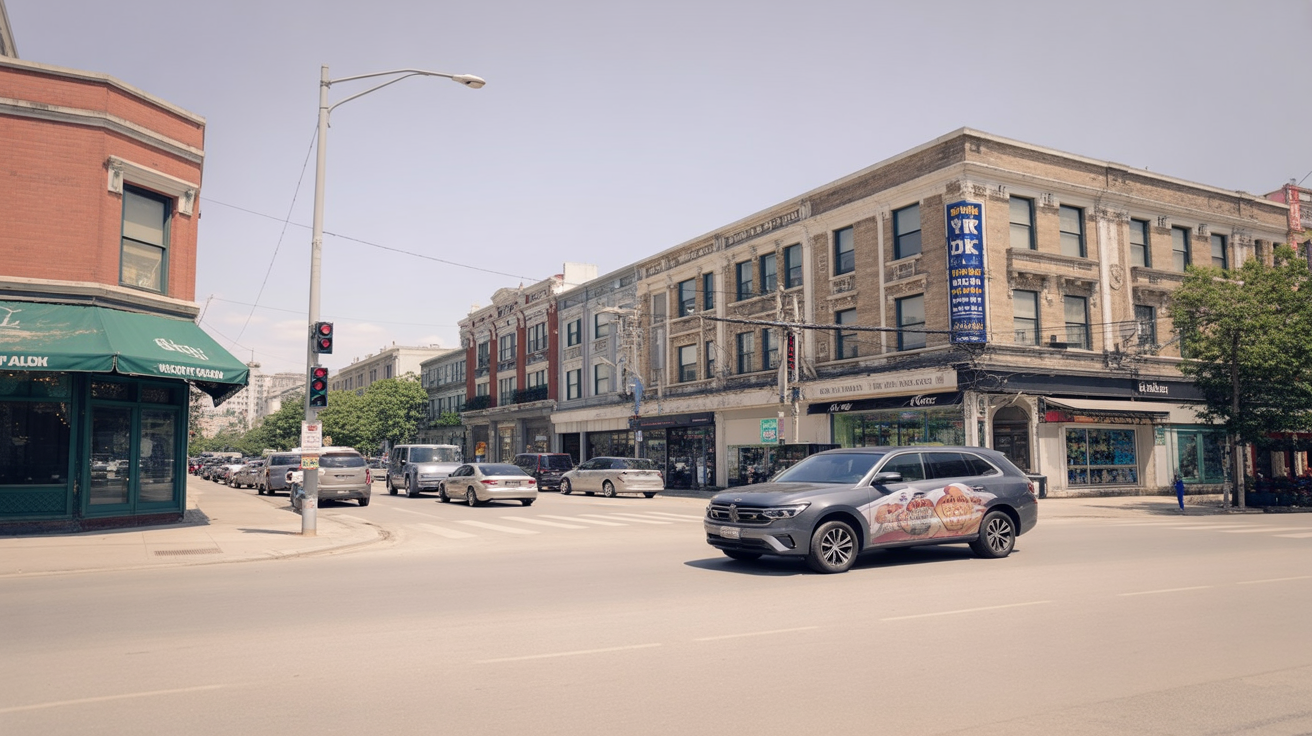
Wicker Park is a neighborhood on the northwest side, bordered by Bucktown to the north, Ukrainian Village to the south, and Logan Square to the west. The defining geography is the six-corner intersection where Milwaukee Avenue, Damen Avenue, and North Avenue all meet — visually chaotic, commercially dense, and the place you’ll end up multiple times regardless of what you’re trying to do.
By L: Blue Line to Division (the heart of the nightlife and restaurant strip) or Damen (slightly further north, better for the boutique shopping and café section of Milwaukee). Either stop puts you in the middle of the action. Travel time from the Loop: 10–12 minutes. From O’Hare: 25 minutes. $2.50 per ride or $5 day pass.
By Rideshare: From River North or the Loop, a rideshare to Wicker Park runs $8–14 depending on traffic and time of day. Useful after midnight when your judgment about the Blue Line at 2am is questionable. Not worth it for daytime travel when the L is fast and parking in the neighbourhood is genuinely terrible.
•RYAN’S PICK
Take the Blue Line. Always take the Blue Line. You’ll ride it past Chicago Avenue and hit the Division stop, and as you walk out you’ll have a bar on your left and a record shop on your right and a coffee place ahead, and that’s Wicker Park announcing itself. The neighbourhood has been making this entrance for 30 years and it still lands.
Milwaukee Avenue: The Main Artery
Milwaukee Avenue is the commercial spine of Wicker Park — a diagonal street running northwest from the Loop that concentrates most of the neighbourhood’s notable businesses in a 10-block stretch between Division and North Avenue.
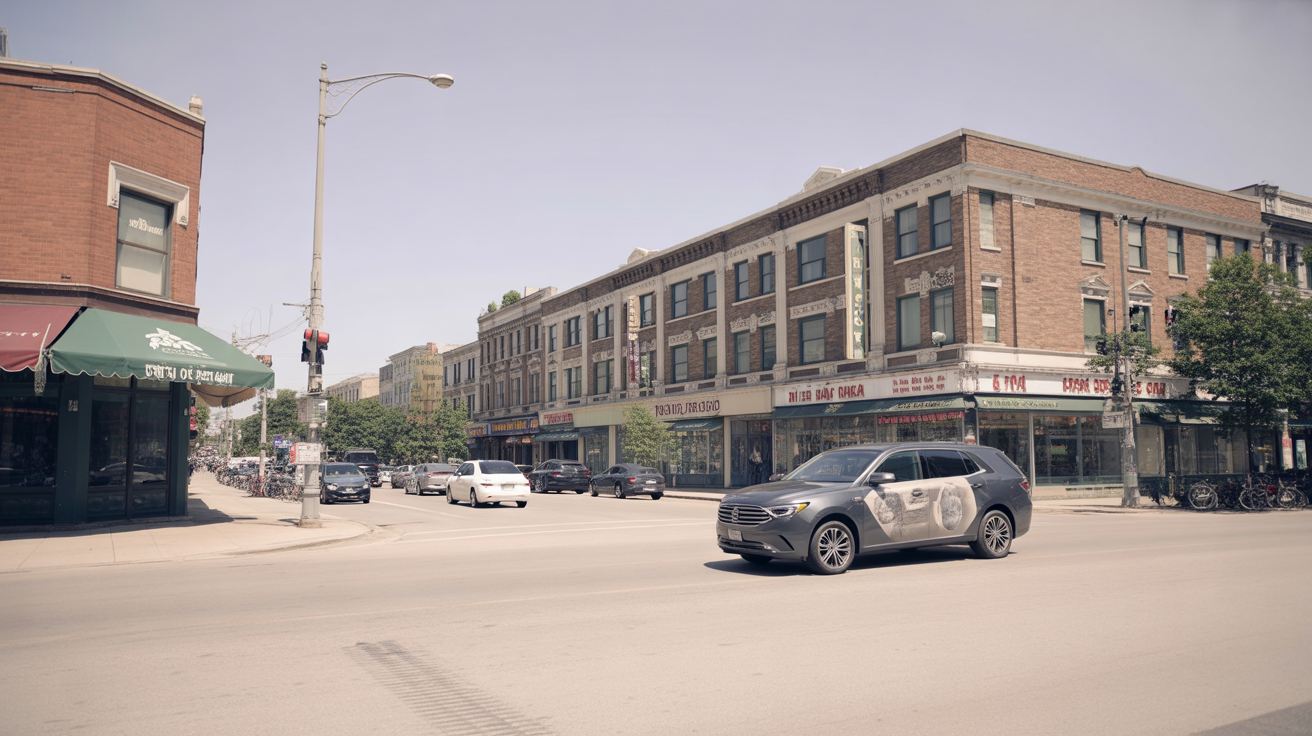
The rhythm of the street changes by block:
Division to North (the densest stretch): Bars, music venues, restaurants stacked next to each other. Mindy’s Hot Chocolate (desserts and brunch), the Empty Bottle (best small music venue in Chicago), Piece Brewery and Pizzeria (the thin-crust pizza place that will cause you to have very strong opinions about the deep dish vs. thin crust debate), Reckless Records (three floors of vinyl).
North to Damen: More retail-forward — independent clothing boutiques, the vintage shops, some of the better coffee options. This is where the neighbourhood’s second-wave character is most visible: the street that became fashionable in the 1990s when rent was cheap and artists could afford it.
The full Milwaukee Avenue walk from Division to Damen takes about 25 minutes at a casual pace if you don’t stop. You will stop. Budget an hour minimum.
Eating in Wicker Park: The Honest Recommendations
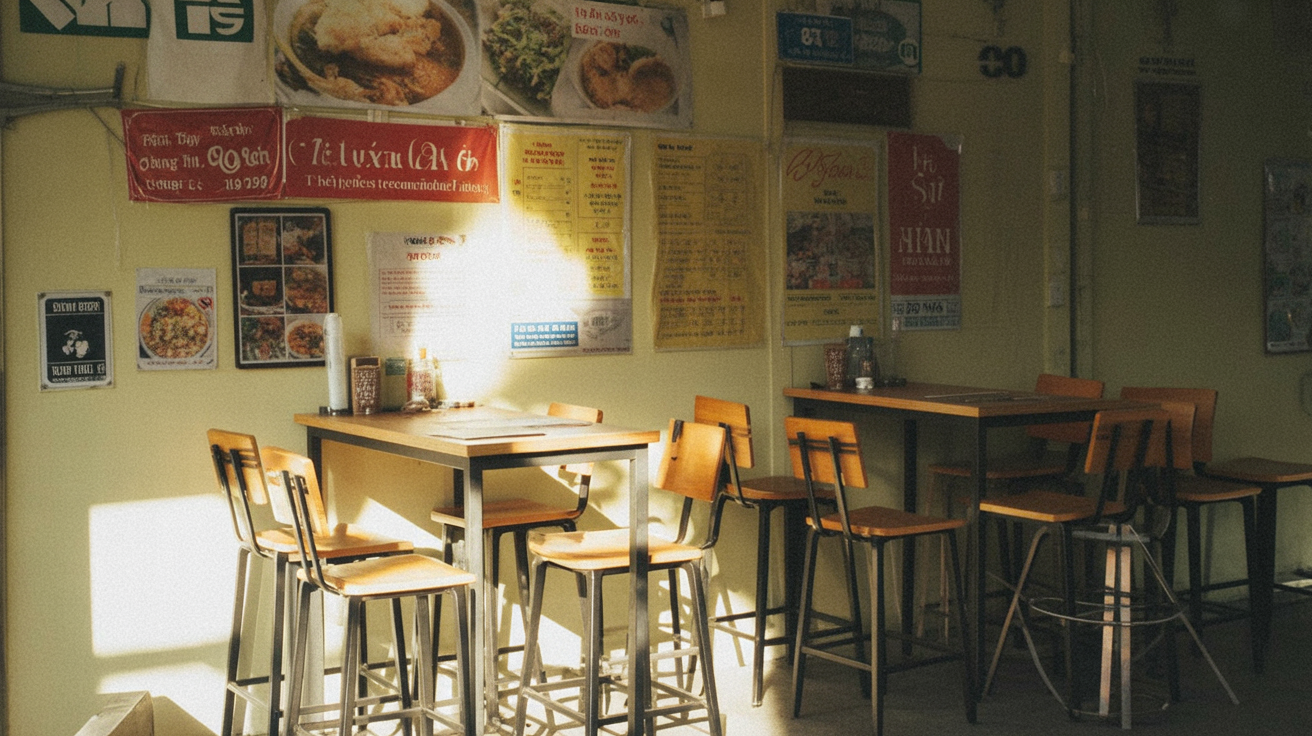
Bongo Room: The famous Wicker Park brunch spot. Chocolate tower French toast, inventive seasonal specials, the line on Saturday at 10am wrapping around the corner. The food justifies the wait; the wait is real. Get there before 9am or after 1pm on weekends to avoid the worst of it. 1470 N Milwaukee Ave.
Piece Brewery and Pizzeria: The best bar-restaurant hybrid in the neighbourhood. New Haven-style thin-crust pizza (yes, in Chicago — this is also correct pizza; the deep dish debate is a false binary), good beer brewed on-site, the kind of place you stay in for four hours on a Sunday afternoon. 1927 W North Ave.
Big Star: The outdoor patio taqueria that’s been at Damen and North since 2009. Whiskey, tacos, a playlist that’s always right for the situation. Not fancy. Consistently excellent. Gets very crowded on summer evenings — arrive before 7pm or after 9pm on weekends. 1531 N Damen Ave.
Dove’s Luncheonette: Southern-Mexican food in a small diner format — huevos rancheros, enchiladas, a tamale that changes by season, and the honey chicken sandwich that people talk about. 1545 N Damen Ave. Breakfast and lunch only.
Mindy’s Hot Chocolate: Pastry chef Mindy Segal’s restaurant, doing desserts properly — not as an afterthought but as the main event. The hot chocolate flight exists. It is what you think it is. 1747 N Damen Ave.
Wicker Park Bars and Nightlife
Wicker Park’s bar scene is one of the strongest in the city for non-tourist nightlife. This is not River North (crowded, loud, expensive, designed for bachelor parties). It’s neighbourhood bars that happen to be excellent.
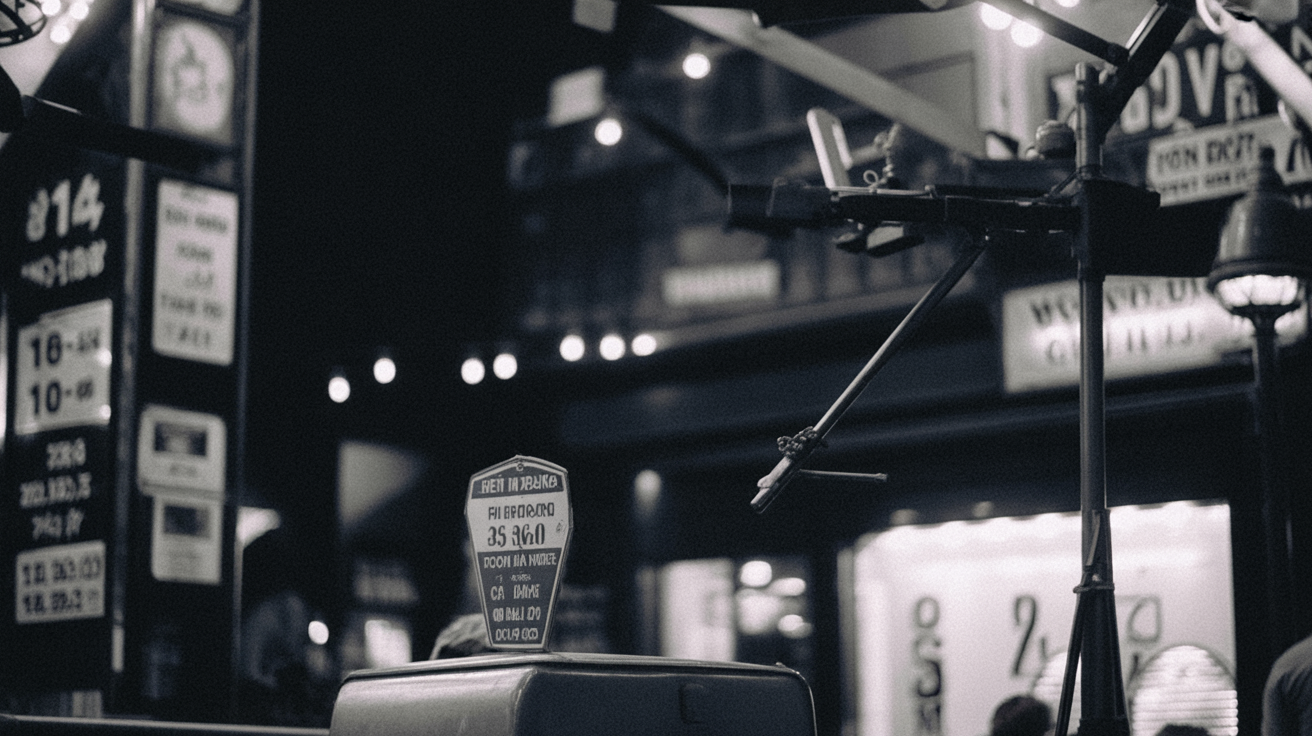
The Empty Bottle: 1,000-capacity music venue that’s been booking independent and alternative music since 1992. The kind of place where you see a band for $15 that you’ll tell people about years later. 1035 N Western Ave, technically in Ukrainian Village but a five-minute walk from Wicker Park. Check the calendar — it’s consistently the best music programming in the city at this price point.
Club Foot: The neighbourhood dive bar in the truest sense — cheap drinks, pool table, a jukebox that shows the neighbourhood’s actual musical taste, no pretension. 1824 W Augusta Blvd. Open late. The kind of bar that asks nothing of you.
Violet Hour: The serious cocktail bar. Award-winning, no windows, no sign (you’ll know it by the blue light over the door), and cocktails that are genuinely very good at $14–18 each. Reservation recommended on Friday and Saturday. 1520 N Damen Ave.
Happy hour: Across most Wicker Park bars, 4–7pm weekdays means $1–2 off drafts and sometimes half-price appetizers. The savings are real and the bars are less crowded than post-9pm. If you’re planning evenings in the neighbourhood, work backward from happy hour.
Shopping and Records in Wicker Park
Wicker Park’s independent retail scene is the strongest outside of the Loop. The three categories worth seeking out:
Reckless Records: Three floors of new and used vinyl, CDs, and DVDs at 1532 N Milwaukee Ave. If you care about music and you haven’t been to Reckless Records, this is a life gap that needs addressing. The staff opinions on the stickers attached to records are worth reading for the entertainment alone.
Vintage clothing: The Damen corridor between North and Armitage has the best concentration of vintage shops in Chicago — Ragstock, Knee Deep Vintage, and a handful of independent shops that change with the seasons. If you’re thrift shopping in Chicago, this is the area.
Independent boutiques: T-shirt Deli (custom t-shirts cut while you wait, a Wicker Park institution since 2001), Akira (local fashion chain that started in the neighbourhood), Wolfbait & B-Girls (Chicago-made goods, one of the better souvenir alternatives to Magnificent Mile keychains).
Wicker Park Fest and Seasonal Events
The neighborhood has a strong calendar around Milwaukee Avenue. Wicker Park Fest in late July is the main event — a street festival with 50+ artists, 200+ small businesses, and the entire stretch of Milwaukee Avenue closed to traffic for a weekend. The neighbourhood at its most itself: loud, crowded in a manageable way, and genuinely Chicago rather than Chicago-for-visitors.
The neighbourhood park itself (Wicker Park, at Schiller and Damen) has free summer programming — outdoor movies, weekend events, the farmers market on Sundays. The farmers market runs May through October, Saturday mornings, and is notably better than the tourist-facing markets downtown for actual produce and local goods.
Where to Stay in Wicker Park
The accommodation options in Wicker Park are limited but well-located.
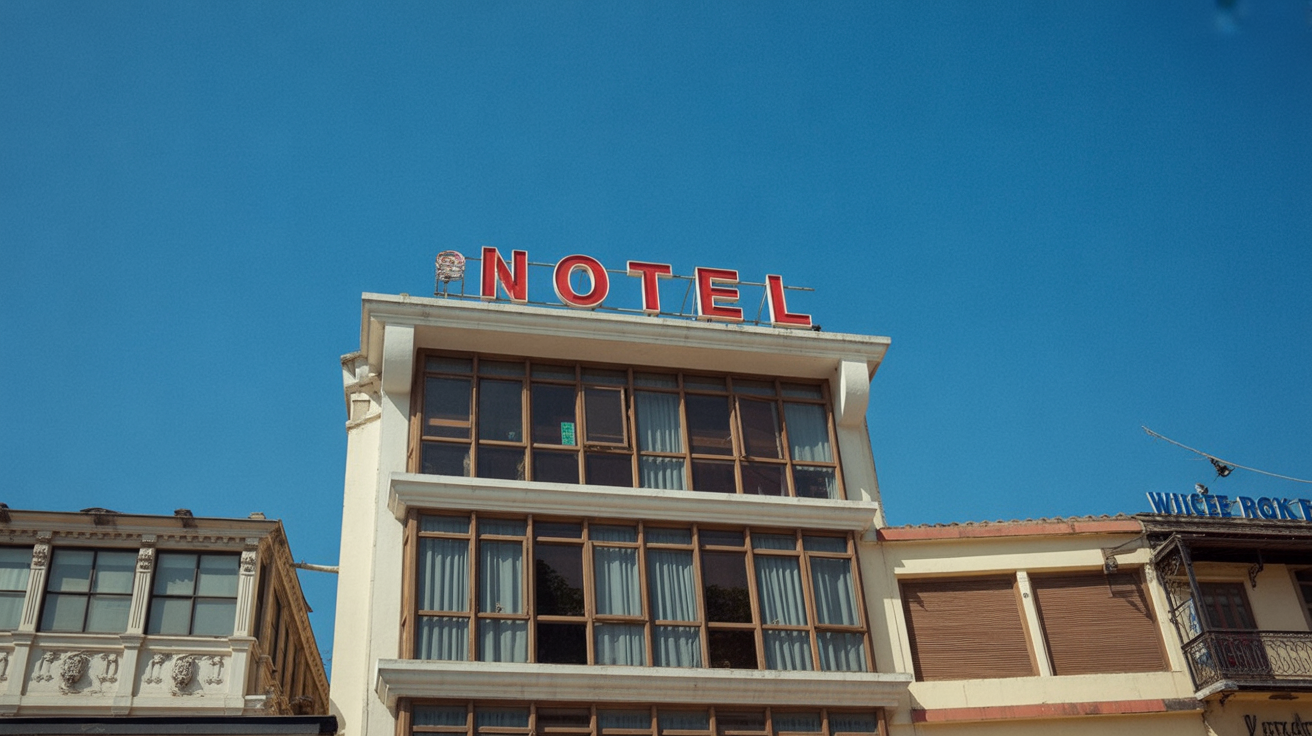
Wicker Park Inn: The main bed-and-breakfast option in the neighbourhood itself, at $149–$245/night depending on season. Well-reviewed, walking distance to everything. Books out in summer — reserve 3–4 weeks ahead for June–August.
Budget options from the area: Accommodation within a 15-minute walk of Wicker Park starts from around $107/night. The neighbourhood advantage is clear even at higher rates: a Wicker Park hotel at $160/night beats a Magnificent Mile hotel at $220/night for location quality if you’re here to eat, drink, and move around the city rather than to be on the tourist strip.
Airbnb and apartments: Wicker Park is one of Chicago’s densest Airbnb areas. A private room runs $80–120/night; a full apartment $140–200/night. If you’re staying 3+ nights and want to cook occasionally, the apartment option makes more sense than a hotel for the price.
Wicker Park vs Logan Square: Which to Choose
Both are Blue Line neighbourhoods with a similar character — independent restaurants, neighbourhood bars, Chicago residents rather than tourists. The differences:
Wicker Park is denser, more commercial, and has more nightlife concentration. It’s the better base if you’re prioritising restaurants, bars, and live music. The six-corner intersection gives it a more kinetic energy. It’s also more expensive.
Logan Square is slightly more residential, has some of the city’s best farm-to-table and creative restaurants (Lula Cafe, Daisies, Longman & Eagle), and runs 10–20% cheaper on accommodation than Wicker Park. The Blue Line to Logan Square stop is 5 more minutes from downtown than Division.
Honestly: either works as a base. I live in Wicker Park and will argue for it. The objective answer is that your specific priorities (nightlife → Wicker Park; restaurants + quiet → Logan Square) should make the decision.
FAQ: Wicker Park Chicago
- Is Wicker Park worth visiting in Chicago?
- Yes. It’s where Chicago residents actually spend their weekends — better restaurants than the tourist strip, better bars, better music, and prices that haven’t been inflated by proximity to Navy Pier. It’s 10 minutes on the Blue Line from the Loop and a completely different experience from the Magnificent Mile version of Chicago.
- How do I get to Wicker Park from downtown Chicago?
- Blue Line CTA train from any downtown Loop station to Division or Damen stop. $2.50/ride, 10–12 minutes, runs frequently. From O’Hare, take the Blue Line directly to Division (25 minutes, $5 with CTA card). Don’t take a rideshare for daytime travel — the L is faster than road traffic and parking in Wicker Park is miserable.
- What is Wicker Park known for?
- Milwaukee Avenue’s bar and restaurant strip, the Empty Bottle music venue, Reckless Records (three floors of vinyl), some of Chicago’s best brunch options, independent vintage shopping, and the six-corner intersection at Milwaukee/Damen/North Avenue. Also: being the neighbourhood that gentrified in the 1990s and is still processing that, which gives it a cultural self-awareness that River North definitely does not have.
- Is Wicker Park safe?
- Yes, as a visitor. Wicker Park is one of Chicago’s more established gentrified neighbourhoods and is consistently safe for tourists and residents. Standard city awareness applies — don’t leave bags visible in cars, stay on the main commercial corridors late at night, use the L rather than walking long distances alone after 2am. The neighbourhood has no specific tourist-trap risks or safety concerns above what applies to Chicago generally.
- What’s the best time to visit Wicker Park?
- Summer (June–August) for the outdoor tables, Wicker Park Fest in late July, and the full version of Milwaukee Avenue at its most active. Late September through October for the fall version — the crowd drops, the colours are good, and the neighbourhood bars become properly cosy. Winter is quiet and genuinely cold; the neighbourhood still works but the outdoor-table culture disappears until April.
- Is Wicker Park or Logan Square better for visitors?
- Wicker Park for nightlife and density — more bars, more music venues, more on Milwaukee Avenue within walking distance. Logan Square for restaurants and a slightly lower-key atmosphere — Lula Cafe and Daisies are both genuinely excellent. Both are 10–15 minutes from downtown on the Blue Line. If you’re doing a Chicago trip with one neighbourhood base, Wicker Park is the marginally stronger choice for first-time visitors.
The Bottom Line on Wicker Park
Wicker Park is the neighbourhood I tell visiting friends to base themselves in, and have for nine years. Not because it’s the most famous or the most convenient to the tourist sites. Because it’s Chicago — the actual daily version, the one that exists regardless of whether anyone is visiting.
Getting Around Wicker Park: The Practical Side
Wicker Park is a walkable neighbourhood with good L access. A few things that matter for getting around:
The L: Blue Line to Division and Blue Line to Damen are both useful. Division is better for arriving in the evening (drop directly into the bar strip). Damen is better for arriving in the daytime (more of the retail, coffee, and restaurant scene). The two stops are about a 15-minute walk apart along Milwaukee Avenue — treat the walk between them as part of the visit.
Biking: Wicker Park is one of Chicago’s most bike-friendly neighbourhoods. The Divvy bike share has docking stations throughout the area — a 24-hour pass is $5 and covers unlimited 30-minute rides. Milwaukee Avenue itself has bike lanes. If you’re in the city for multiple days, a Divvy day pass is one of the better transportation values available.
Parking: It exists. It’s terrible. Don’t drive to Wicker Park on a Saturday evening and expect to park near Milwaukee Avenue. If you’re coming by car from outside the city, park in the area around the Blue Line station further from the neighbourhood and ride in. Or take the L from wherever you parked and skip the search entirely.
Uber/Lyft: The surge pricing on Friday and Saturday nights in Wicker Park is real — everyone leaving the bars at the same time in the same area creates demand spikes. Budget $15–25 back to River North or the Loop on a weekend night, and possibly more during peak surge periods. The Blue Line runs late (though not 24 hours) and is the right call whenever it’s running.
What Wicker Park Looks Like Through the Seasons
Wicker Park’s character changes significantly by season, and the right time to visit depends on what you want from it.
Summer (June–August): The full version — outdoor tables everywhere, the sidewalk energy of Milwaukee Avenue at peak capacity, Wicker Park Fest in late July, the farmers market running every Sunday. This is the neighbourhood at its most itself. It’s also the most crowded and the most expensive for accommodation. Reserve brunch spots. Book the hotel well in advance. Go.
Fall (September–October): The best version of Wicker Park that most visitors never see. The outdoor tables are still out in September; the crowds thin; the neighbourhood bars become properly atmospheric without the summer volume. The six-corner intersection on a clear October afternoon, leaves turning on the trees that line Division Street, is one of the better free views in Chicago.
Winter (November–March): Cold. The outdoor tables disappear. The bars become the point — Wicker Park in January is a warm, drinks-in-hand experience rather than a Milwaukee Avenue walkabout. The neighbourhood doesn’t shut down; it just moves inside. January hotel rates are the lowest of the year. If you’re coming to Chicago specifically to eat and drink rather than to be outside, winter is underrated.
Spring (April–May): The awakening. The outdoor tables come back tentatively in April, fully by May. Weather is variable (Chicago spring means 12°C one day and 22°C the next). The neighbourhood is less crowded than summer and feels more local for it. May in Wicker Park is one of the better low-stress versions of the neighbourhood for a first visit.
One practical tip that doesn’t fit anywhere else in this guide: the Wicker Park and Bucktown Chamber of Commerce website (wickerparkbucktown.com) has a genuinely useful events calendar that’s kept more current than most neighbourhood sites. If you’re arriving in summer or fall and want to know what’s happening beyond the regular bar and restaurant scene, it’s worth checking before you arrive. The neighbourhood runs events that don’t make it onto general Chicago tourism pages but are worth knowing about — small gallery openings, neighbourhood block parties, pop-up markets in the park. Worth five minutes before your trip.
Nine years of living here have not made Wicker Park feel like it’s finished with me. That’s a sign of a neighbourhood that has something real to it — a specific mix of people, independent businesses that survived the pandemic, a music venue that has been booking the same quality of band since 1992, and a morning energy on Milwaukee Avenue that Chicago downtown doesn’t have because downtown is for working in rather than living in. The city’s best neighbourhoods are the ones people actually live in, and Wicker Park is one of those.
The specific pleasure of the Blue Line is arriving at Division in the evening and stepping out into the sensory shift — the smell of something cooking from the taqueria on the corner, the sound of the L overhead fading, the light from the bars along Milwaukee already warm and yellow before you’ve decided where you’re going. This is where the trip changes from Chicago-as-tourist-destination into Chicago-as-actual-city. The transition happens on that platform and it’s worth experiencing at least once with fresh eyes. Take the Blue Line. Get off at Division. Walk north on Milwaukee until something stops you. Something will stop you quickly. That’s the neighbourhood working as intended.
For the city-wide view: Chicago Neighborhoods Guide covers all the major areas. For the food-specific decisions: Best Deep Dish in Chicago — because you’re going to need to take a position on that eventually.
Wicker Park: The History That Made It What It Is
Wicker Park’s current character — independent restaurants, vinyl shops, the specific combination of long-running local institutions and boutiques that change every few years — is a product of a gentrification arc that started in the early 1990s and is still playing out.
Before the 1990s, Wicker Park was a Polish and Puerto Rican neighborhood with cheap rents and industrial buildings. Artists and musicians moved in first — attracted by the studio space and the six-corner intersection that made it feel like the center of something. The music venues came next: the Empty Bottle opened in 1992. The restaurants followed the music scene. By the mid-1990s, the New York Times was writing about Wicker Park as Chicago’s new bohemian center, which is roughly when it stopped being cheap enough for artists to live in, which is the standard arc.
What survived the gentrification cycle is what’s worth visiting: the businesses that were here before the rents went up and managed to stay. Reckless Records (1991). The Empty Bottle (1992). Piece Brewery (2001, technically after the arc but established before the most recent price spike). These are the institutions that give the neighborhood its character rather than the restaurants that opened in the last two years targeting the brunch crowd.
Understanding this history helps you use Wicker Park correctly. The neighborhood isn’t Chicago’s most authentic place — that argument belongs to Pilsen or Bridgeport or Beverly. But it’s the neighborhood where a genuine culture built up over 30 years and enough of it survived to be worth experiencing. The six-corner intersection at Milwaukee/Damen/North is still the center of something. That something has changed since 1992, but the bones are real.
The 606 Trail: Wicker Park’s Best Secret
The 606 is a 2.7-mile elevated trail built on a former railway line that runs from Wicker Park northwest through Bucktown, Logan Square, and into Humboldt Park. The trailhead at Damen Avenue, right in Wicker Park’s center, is a five-minute walk from the Division Blue Line stop.
The trail is the best thing that happened to Wicker Park in the last decade, and it’s consistently underused by visitors who focus on Milwaukee Avenue and miss it entirely.
What it’s for: running, cycling, and the specific pleasure of being 17 feet above street level watching Chicago neighborhoods pass underneath you. The view from the 606 over the residential rooftops of Wicker Park and Bucktown — the water towers, the back porches, the way the city’s residential grid makes sense from above — is one of the better free views in Chicago.
Best time on the 606: early Saturday morning (7–9am), before the trail fills. In May, when the trees along the trail are green. In October, when they’re turning. After a light snow in January, which is either beautiful or exactly as miserable as it sounds depending on your relationship with winter.
Practical notes: Divvy bike stations at the Damen Avenue access point. The trail connects to Logan Square (the Kedzie access point is one L stop away), so you can ride from Wicker Park to Logan Square on the 606 in about 20 minutes, which is a better version of the journey than the Blue Line gives you — you see both neighborhoods from above rather than underground. Bring a lock if you’re stopping along the way; the trail has several coffee shops and small businesses within a block of the access points.
What to Actually Budget for a Day in Wicker Park
Real numbers for a day in the neighborhood, based on nine years of watching people spend money here in varying quantities.
The free/cheap version ($25–45): Blue Line from downtown ($2.50), coffee at a Milwaukee Avenue café ($5–6), walk the 606 (free), browse Reckless Records without buying anything (free), lunch at a taquería on Division ($10–14), afternoon beer at Club Foot ($6–7). Total: $24–30. This is a good day. You’ve seen the neighborhood without trying.
The actual-spending version ($80–120): Same Blue Line ($2.50), Bongo Room brunch ($18–24), afternoon at Reckless Records where you buy something because you always do ($20–35), Violet Hour cocktails ($14–18 each, two drinks), late dinner at Big Star ($18–25). Total: $75–107. This is also a good day. The difference is whether you’re eating properly and drinking the good stuff.
The staying-overnight version: Wicker Park Inn at $149–245/night. Add the food and drink budget above to get the full picture. The neighborhood hotels are better value than Loop options at the same price point — you’re paying for character and location, and you get both.