Last updated: June 2026 — 2026 pricing and dates verified.
I’ve lived in Wicker Park for nine years and done Chicago Restaurant Week most of them. I’ve had some of the best meals of my year during Restaurant Week, and I’ve had one genuinely disappointing evening at a River North spot that looked good on paper and delivered a three-course menu where one course was a bread basket. Here’s how to make sure your experience is the first kind.
What Chicago Restaurant Week Actually Is
Chicago Restaurant Week is an annual promotion organized by Choose Chicago, the city’s official tourism bureau. It runs for 17 days in late January and early February — in 2026, January 23 to February 8. Participating restaurants (470+ in 2026) offer prix fixe menus at standardized price points.
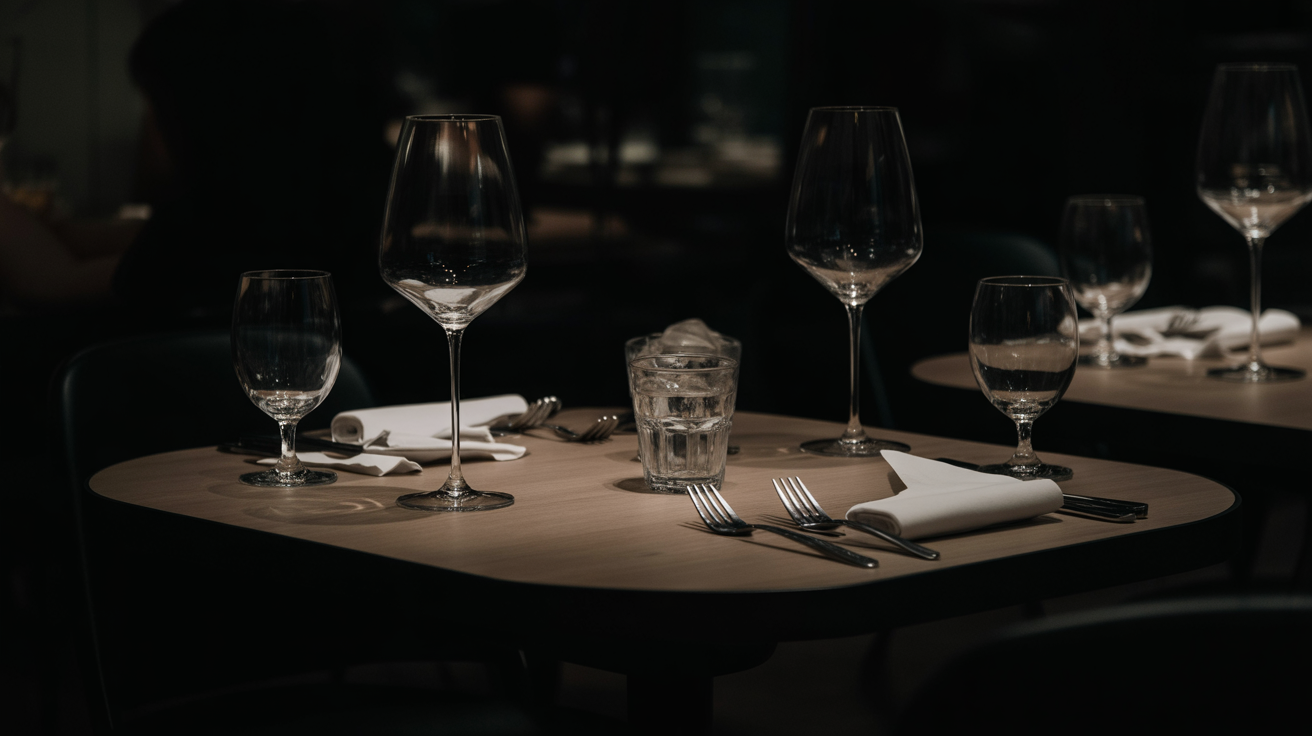
The concept is simple: normally a dinner at a good West Loop restaurant runs $60–80 per person before drinks and tip. During Restaurant Week, the same restaurant offers a 3-course prix fixe for $60 — a meaningful discount, especially if the restaurant has created a menu that represents the kitchen at its actual level rather than a simplified version.
The event is citywide — not limited to the Loop or downtown, and not just the expensive places. Budget restaurants participate too (at the $30 lunch price point). The neighborhood spread is genuine: Logan Square, Pilsen, Andersonville, the West Loop, River North, Wicker Park all have participating restaurants. Some of the best deals are in the neighborhoods rather than downtown.
There’s also a Chicago Northwest Restaurant Week (Feb 27 – Mar 8 in 2026) for the suburbs — worth knowing if you’re based outside the city centre.
The Three Price Points: What You Actually Get
The prix fixe structure is fixed by the event’s rules, but what’s inside each price point varies enormously by restaurant.
The real value calculation is the $60 dinner. At a restaurant where the average à la carte entrée runs $35–45 and starters are $18–22, a 3-course dinner for $60 is a meaningful discount. At a restaurant where the regular dinner is already around $55 per person for two courses, the $60 Restaurant Week price is marginal. Read the à la carte menu before you book the prix fixe.
⚠Real Talk
Always add the full cost before booking: $60 prix fixe + drinks (~$18 each for cocktails in a serious restaurant) + 10.25% tax + 20% tip = ~$110–120 per person for a Restaurant Week dinner. That’s still cheaper than the same restaurant on a normal night, but it’s not a budget meal. Plan accordingly.
Which Neighborhoods Have the Best Restaurant Week Deals
The best Restaurant Week value is not on the Magnificent Mile or in River North — those areas charge a location premium that the prix fixe doesn’t fully offset. The neighborhoods where the quality-to-price ratio is most in your favour:
West Loop / Fulton Market: The highest concentration of serious restaurants in the city, and the neighbourhood where the $60 dinner prix fixe makes the most sense. Restaurants like Monteverde, Boka, and the smaller chef-driven spots on Fulton Market regularly offer genuine Restaurant Week menus — not the phone-it-in version. Book these first. They fill fastest.
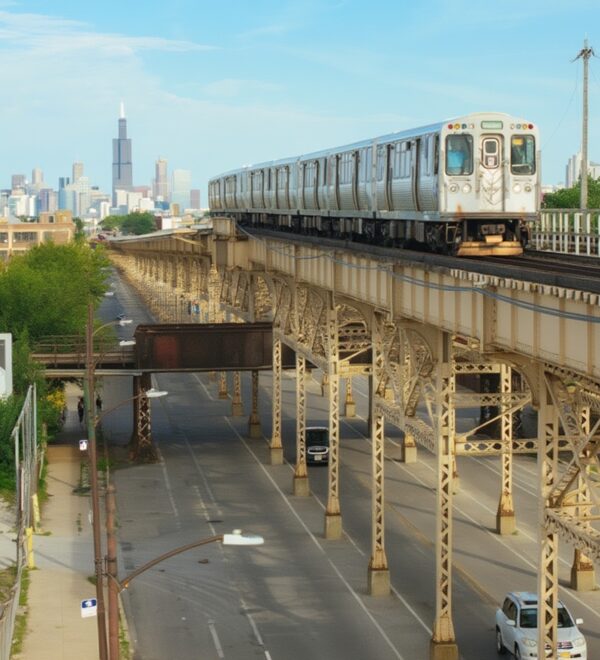
Logan Square: Where I’d send anyone who wants great food without River North prices on a normal night, Restaurant Week amplifies that advantage. Lula Cafe, Daisies, and the neighbourhood’s broader restaurant scene offer $45–60 dinners that would run $80+ à la carte. The L gets you there in 15 minutes from downtown. Blue Line to Logan Square stop.
Andersonville: The north side neighbourhood with the strongest independent restaurant scene. Good for the $30 lunch option specifically — the casual brunch spots here are better than the downtown equivalents at the same price. Red Line to Berwyn, then a short walk on Clark Street.
For the full neighbourhood context: Chicago Neighborhoods Guide.
How to Pick the Right Restaurant: What to Look For
This is the skill that separates a good Restaurant Week from a frustrating one. Two types of restaurants participate: those that create a genuine special menu that showcases what they can do at the Restaurant Week price point, and those that take their existing menu, remove the flexibility, and call it a prix fixe.
Signs a restaurant is doing it properly:
The Restaurant Week menu is different from the regular menu — not a subset of it. The dishes are specific and named, not described as “choice of starter, choice of entrée.” There’s a house-made dessert listed. The price point feels like an actual deal relative to their normal pricing (check their regular menu on their website for comparison).
Signs a restaurant is phoning it in:
The “prix fixe” is just the same three categories as the regular menu at a price that’s roughly what you’d spend anyway. The lowest-priced items from each category are the only options. There’s a service charge added separately that wasn’t mentioned in the Restaurant Week listing. The restaurant has been participating every year and the menu hasn’t changed.
The Infatuation Chicago publishes an annual Restaurant Week guide that identifies the best deals specifically — bookmark it and check it when the list goes live in early January. Not all 470+ participating restaurants are worth your time. The useful shortlist is maybe 30–40.
How to Book: Timing Is Everything
The restaurants worth attending during Chicago Restaurant Week fill up within hours of reservations going live — usually in the first week of January, about three weeks before the event starts. If you want a Saturday night dinner at a West Loop restaurant that normally requires booking two months ahead, you need to be on Tock or OpenTable at 9am on the day reservations open.
The main booking platforms:
Tock — the platform most serious Chicago restaurants use. If the restaurant you want is on Tock, book there. The system handles Restaurant Week reservations specifically and shows the prix fixe price alongside the menu. Download the app before January.
OpenTable — wider coverage, more casual restaurants. Good for the $30 lunch tier and mid-range spots. Easier to get last-minute availability through OpenTable than Tock for less-in-demand restaurants.
Resy — increasingly common for the higher-end restaurants. Check if your target is on Resy before assuming they’re on OpenTable.
Strategy: Pick your top five restaurants before reservations open. Know which platform each one uses. Set a reminder for the morning reservations go live. Book two or three options in case your first choice is full, and cancel the ones you don’t need once you have what you want.
The Best Restaurant Week Value by Category
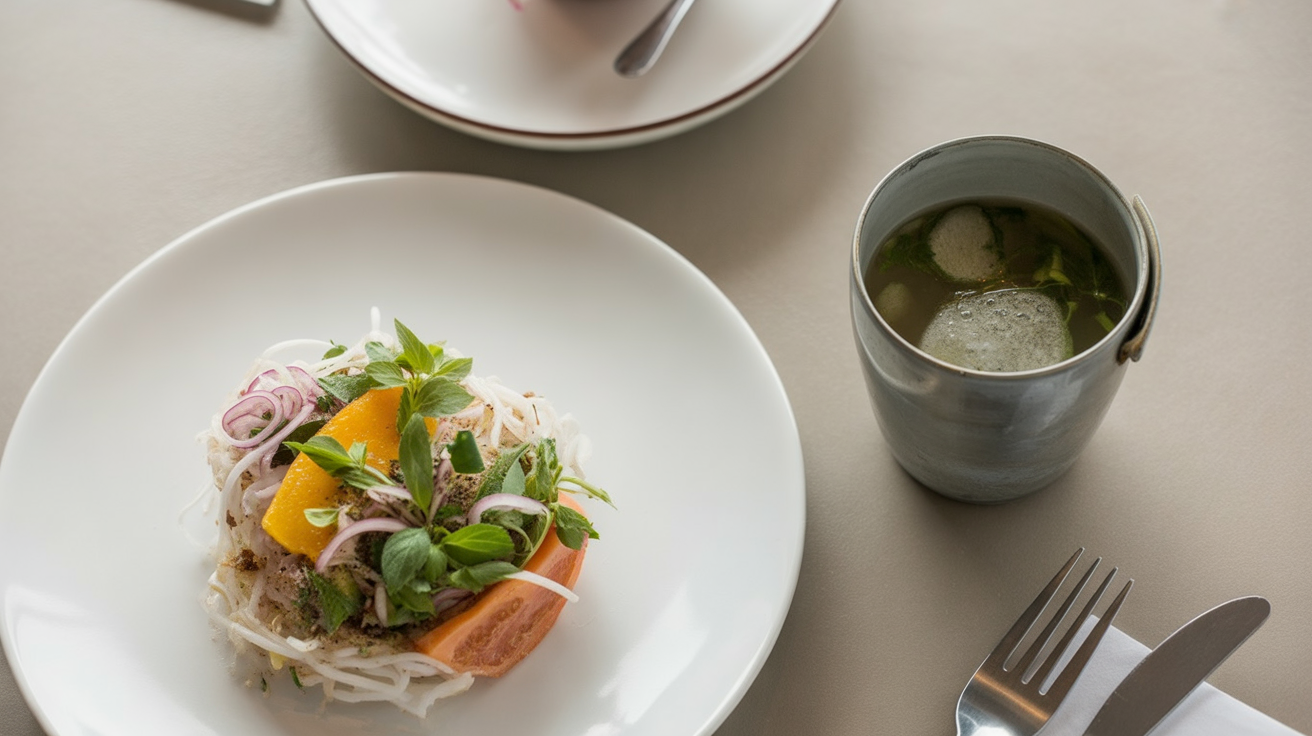
For a proper splurge dinner ($60): West Loop chef-driven restaurants are the target. Monteverde (Italian-American, Fulton Market), Boka (seasonal American, Lincoln Park), and Sepia (1906 building near the Loop, American brasserie) consistently appear on lists of genuinely-worth-it Restaurant Week participants. Check their current menus in January — the specific dishes change annually.
For the best lunch deal ($30): Logan Square and Andersonville casual spots. The $30 lunch tier at a neighbourhood restaurant that does $22 entrées normally is a modest deal; the $30 lunch tier at a restaurant that normally charges $28–35 for lunch is where the value concentrates.
For a date night that doesn’t feel like a deal: Any of the smaller neighbourhood restaurants in Wicker Park or Logan Square where the normal prices are already reasonable and the Restaurant Week version just makes you feel better about going. The experience is the same; the cost is slightly lower; the restaurant is full and energetic because everyone else had the same idea.
For the full Chicago restaurant picture year-round: Best Deep Dish Chicago and the broader food scene in Things to Do in Chicago.
Restaurant Week in the Context of a Chicago Trip
If you’re visiting Chicago specifically to coincide with Restaurant Week — which is a legitimate reason to plan around late January and early February — the timing has practical implications beyond the food.
January and February in Chicago are cold. Very cold. Average January temperatures hover around -3°C (27°F), with wind chill making it feel considerably colder on Lake Michigan days. This is not a reason to avoid the city in winter, but it’s a reason to plan your schedule differently: you’ll be indoors more, the lakefront walk is not the pleasant daytime activity it is in June, and the city’s indoor culture — the jazz bars, the cocktail lounges, the serious restaurants — becomes the main event rather than a supplement to outdoor sightseeing.
The combination works: Restaurant Week in January means the restaurants are genuinely glad to see visitors (January is traditionally a quiet month for Chicago restaurants after the holiday rush), the crowd levels at non-restaurant attractions are at their lowest of the year, hotel prices are among the most affordable, and the city has a specific winter atmosphere — the steam rising from the L tracks, the light in the Loop at 5pm, a bowl of deep dish at Lou Malnati’s in Wrigleyville before a Restaurant Week dinner — that’s not available in summer.
For visitors combining Restaurant Week with general Chicago sightseeing: use the mornings for the Art Institute, the Architecture Centre’s indoor exhibits, and the museums (all at their least crowded in January). Afternoons for neighbourhoods if the weather is bearable. Evenings for the restaurant bookings you’ve made in advance. This is actually the right order for Restaurant Week even in good weather — the food is the evening anchor around which the rest of the day is organised.
For budget context: combine the Restaurant Week dinner cost with the rest of Chicago’s reasonably priced daily expenses — transit ($5 day pass on the L), free Lincoln Park Zoo, the free Millennium Park attractions — and a Chicago Restaurant Week trip is genuinely good value for what it delivers. The Chicago Budget Guide covers the full daily cost picture.
For seasonal context: January–February is the cheapest time to visit Chicago for accommodation and flights. Hotel rooms in Wicker Park or Logan Square that run $150–200/night in July go for $90–130 in January. If you’re flexible on when to visit, Restaurant Week combined with winter Chicago pricing is one of the better value propositions the city offers. The Best Time to Visit Chicago guide covers the full seasonal breakdown.
The Honest Downsides
Restaurant Week is crowded — the popular restaurants are at full capacity every night of the 17 days, which means service can be stretched and the experience less relaxed than a normal Tuesday night at the same restaurant. If you want the food without the Restaurant Week energy, Monday or Tuesday early in the event typically has fewer people than the weekends.
Not all 470+ restaurants are worth attending. Many participate because the marketing benefit outweighs any per-cover economics, and their menus reflect this. The event includes genuinely good deals and genuinely not-great deals in roughly equal measure. The research is the work.
The pricing structure can create perverse incentives — some restaurants design a $60 menu that uses cheaper ingredients than their normal $60 à la carte dinner, effectively using Restaurant Week as a margin opportunity. These are the restaurants where the food quality feels slightly off relative to expectations. Read the menu carefully before booking.
The Confession: What I Got Wrong One Year
I booked a Restaurant Week dinner at a River North spot that had a good write-up in the event guide and a $60 dinner menu that looked interesting on paper. The restaurant was fine. The food was fine. The three-course menu was: a salad, a choice of four entrées that were all also on the regular menu, and a dessert that was a smaller version of a regular menu dessert.
The $60 prix fixe was roughly what I would have paid à la carte for the same experience, minus the flexibility to choose what I actually wanted. I spent the whole dinner calculating the margin differential in my head, which is not how you want to spend a dinner.
The lesson: read the regular à la carte menu before booking the prix fixe. If the Restaurant Week menu looks like a subset of the normal menu with one tier removed, it probably is. Book the places where the Restaurant Week menu is genuinely different from what they serve the other 348 days of the year.
FAQ: Chicago Restaurant Week
- When is Chicago Restaurant Week 2026?
- Chicago Restaurant Week 2026 ran January 23 to February 8 — 17 days, with 470+ participating restaurants. The event runs annually in late January and early February. Check choosechicago.com for the exact dates for the current year and the full list of participating restaurants when the 2027 edition is announced (usually December or early January).
- How much does Chicago Restaurant Week cost?
- Three prix fixe price points: $30 for brunch and lunch, $45 or $60 for dinner. These are per-person prices for the fixed menu. Add drinks, Chicago’s 10.25% restaurant tax, and 20% gratuity to get your actual per-person cost — a $60 Restaurant Week dinner typically lands at $105–120 per person all-in, which is still cheaper than the same restaurant on a normal Saturday.
- Is Chicago Restaurant Week worth it?
- Yes — if you pick the right restaurants. The $60 dinner prix fixe at a top West Loop restaurant that normally runs $80–100 per person à la carte is genuinely good value. The $60 prix fixe at a restaurant where the normal dinner is also $60 is not. Research the regular menu pricing before booking the Restaurant Week version, and prioritize restaurants that have created a special menu rather than just packaging their existing menu as prix fixe.
- How do I book Chicago Restaurant Week restaurants?
- Through Tock, OpenTable, or Resy depending on the restaurant — check the restaurant’s website or the choosechicago.com Restaurant Week page for direct booking links. Reservations for popular restaurants open in early January (about 3 weeks before the event) and fill within hours for weekend evenings. Set a reminder, know which platform your target restaurant uses, and book the day slots go live.
- Which Chicago neighborhoods have the best Restaurant Week restaurants?
- West Loop/Fulton Market for the highest concentration of top restaurants; Logan Square for the best neighborhood-restaurant value; Andersonville for the best $30 lunch options. River North and the Magnificent Mile area participate heavily but the location premium doesn’t disappear during Restaurant Week — you’re often paying similar prices for a less interesting restaurant than you’d find 20 minutes west on the Blue Line.
- Can visitors to Chicago use Chicago Restaurant Week?
- Yes — the event is open to anyone, tourist or resident. For visitors, it’s an excellent opportunity to eat at restaurants that are normally hard to get into or priced above typical travel budgets. Time your visit for the Restaurant Week window (late January–early February), book ahead through Tock or OpenTable before you arrive in Chicago, and build your trip around two or three Restaurant Week dinners alongside the free and low-cost Chicago activities.
What to Do Before and After Dinner
Restaurant Week is in January, which means you’re in the city during its quietest, coldest month. That’s not a bad thing if you plan around it.
Before dinner: the Chicago Cultural Center at Michigan and Washington is free, heated, and has two Tiffany glass domes worth 30 minutes of your time regardless of what else is on your agenda. If you’re heading to the West Loop for dinner, the Fulton Market area has enough coffee shops and small retail that an early afternoon wander before a 6pm reservation doesn’t feel forced.
After dinner: the L runs late and is the right move at 9–10pm when rideshare surge pricing kicks in and every other diner is requesting a car at the same time. A pour-over at a 24-hour diner — the Bongo Room in Wicker Park stays open late on weekends, there are a handful of diners in Logan Square — rounds a Restaurant Week evening into something that feels like an actual Chicago night rather than just a dinner reservation.
The Short Version
Chicago Restaurant Week is worth doing if you pick the restaurants that are actually using it as an opportunity to show what they can do, not as a price-bundling exercise. The 17 days in late January and early February give you a window to eat at restaurants you’d otherwise need a special occasion to justify.
The work is in the selection. Read the menus, compare with à la carte pricing, book early, and go on a weekday if you want the service and atmosphere without the Restaurant Week crowd density. Questions in the comments — I’ve done this for nine years and I know which restaurants consistently deliver.
A Practical Day-By-Day Strategy for Restaurant Week Visitors
If you’re flying to Chicago specifically for Restaurant Week, the 17-day window is generous — but the logistics of making it work require a little pre-trip planning. Here’s how I’d structure a 4-day Restaurant Week Chicago trip for someone visiting primarily for the food.
Day 1 (arrival day): Get in by early afternoon. Blue Line from O’Hare to Wicker Park — $5, 25 minutes. Check in to your hotel. Afternoon walk on Milwaukee Avenue, Reckless Records, espresso somewhere on Division. Dinner: Violet Hour cocktails at 6pm (no reservation needed), then dinner at Dove’s Luncheonette on Damen — Dove’s participates in Restaurant Week most years at the $45 tier and the Southern-Mexican food holds up well in a prix fixe format. Budget $70–80 per person all-in including drinks.
Day 2: Morning at the Art Institute ($26–32, buy ahead). This is the cultural anchor of the trip. Budget three hours minimum. Lunch: try to find a $30 Restaurant Week lunch at a Logan Square or West Loop café — a sit-down meal at a restaurant you wouldn’t otherwise go to for lunch. Afternoon: walk the Riverwalk (free). Dinner: your headline Restaurant Week booking — the $60 West Loop restaurant you booked three weeks ago. This is the evening you planned around. Get there on time. The prix fixe service runs on a schedule.
Day 3: Pilsen morning — Pink Line to 18th Street, murals, National Museum of Mexican Art (free). Lunch at Carnitas Uruapan on 18th ($18–22 for two, cash only). This is not a Restaurant Week meal and it’s better than most Restaurant Week meals. Blue Line up to Logan Square for the afternoon. Dinner: a $45 Restaurant Week booking in Logan Square — Lula Cafe or similar, the neighborhood restaurant version of the event rather than the splurge version. Budget $65–75 all-in.
Day 4 (departure): Morning at Andersonville — Red Line to Berwyn, Ann Sather for the cinnamon rolls ($12–18 for breakfast). Walk Clark Street south. Red Line to O’Hare. Blue Line to O’Hare from downtown: $5, 45 minutes, never take a cab.
This itinerary spends three Restaurant Week dinners across three different price tiers and three different neighborhoods. Total food budget for four days: approximately $350–450 per person all-in for all meals. Combined with the $5/day transit, $26–32 Art Institute, and a $149–200/night hotel in Wicker Park, you’re looking at a genuinely reasonable 4-day Chicago trip built around the Restaurant Week calendar.
Restaurant Week vs. Regular Chicago Dining: When To Skip It
Here’s the honest take that most Restaurant Week coverage won’t give you: some of Chicago’s best restaurants don’t participate in Restaurant Week, and that’s fine.
The restaurants that produce the most interesting food in Chicago — the ones where the kitchen is doing something genuinely creative and the menu changes every week — often don’t do well in a prix fixe format. The fixed menu constrains the kitchen in ways that don’t serve their cooking. Girl & the Goat, Alinea, and several of the Fulton Market restaurants that push their cooking hardest don’t consistently participate, and the ones that do don’t always offer the version of their cooking that made them worth going to.
For those places, a regular Tuesday dinner in March is often more interesting than the same restaurant’s Restaurant Week offering. The prix fixe format rewards restaurants that do consistent, replicable cooking well — not restaurants that are trying to do something new.
Use Restaurant Week for the restaurants in its sweet spot: mid-to-high-end spots with established menus that benefit from the marketing moment and respond by creating genuinely special fixed menus. Skip it for the restaurants where the à la carte version is already what you want. The event guide gets you 30–40 restaurants worth attending out of 470 participants. Focus the planning there.