Last updated: June 2026 — prices verified June 2026.
I’ve lived in Chicago nine years. I know what things actually cost because I’ve watched the prices from both sides — the first year when I was watching every dollar, and now when I’m the one friends call before they visit and ask “how much should I budget?”
Here’s the honest breakdown.
Chicago Daily Budget at a Glance
Three realistic budget tiers for a Chicago trip, based on actual 2026 prices.
The short version: $80–120/day budget, $180–260/day mid-range. Either tier is very doable. The gap between them is almost entirely accommodation and whether you’re using the L or calling a rideshare.
Accommodation: What You Get at Each Price Point
Chicago accommodation pricing is neighborhood-dependent more than in most cities. The same hotel costs 40% more if it’s on Michigan Avenue versus eight blocks west in the West Loop.
Budget ($30–55/night): Hostel dorms in the West Loop and River North. HI Chicago on East Congress is the main budget option — dorms from around $35/night, clean, well-run, about a 10-minute walk from the Loop. The tradeoff is shared bathrooms and the social environment of a hostel, which works for solo travelers and not for everyone else.
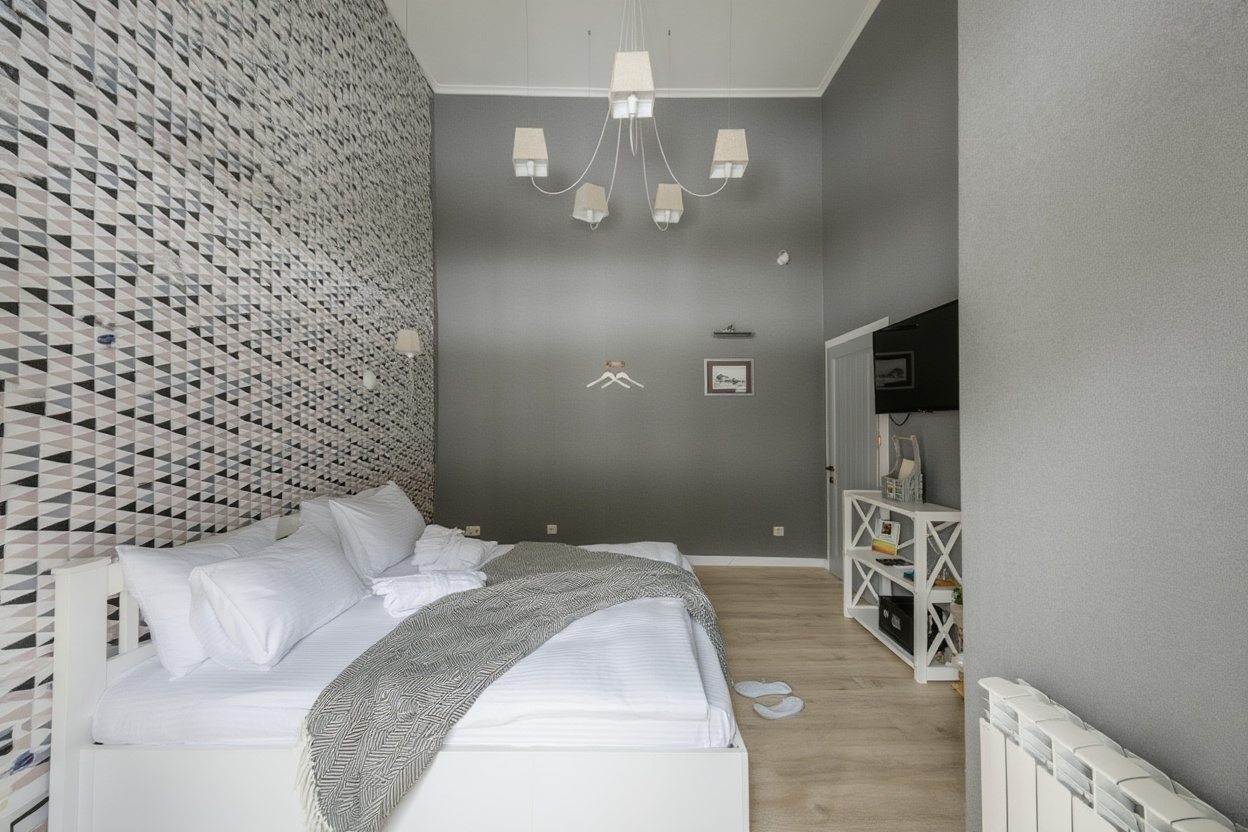
Mid-range ($100–180/night): This is where the real value is in Chicago. Boutique hotels in Wicker Park, Logan Square, and Andersonville run significantly cheaper than comparable Loop hotels — same quality, more character, better neighborhood for walking and eating. Budget $120–150/night for a good private room in a well-located neighborhood hotel. Look at the Publishing House Bed & Breakfast in River West (~$140–160/night) or independent boutique properties along Milwaukee Avenue in Wicker Park.
Loop and Michigan Avenue ($180–300+/night): You’re paying for location and lobby. The actual rooms are fine. The neighborhoods are not where you want to base yourself unless you’re here for conferences or specifically want walking access to the main museums. For leisure visitors, paying the location premium doesn’t make sense when the L gets you downtown in 8 minutes from Wicker Park.
One booking note: Chicago hotels price dynamically and the gap between advance booking and last-minute can be significant. Book accommodation 3–4 weeks ahead for summer visits, especially if your dates overlap with major events. Lollapalooza in August, the Chicago Marathon in October, and major convention weeks at McCormick Place can push otherwise-reasonable hotels into $300+ territory. Check the events calendar for your specific dates before you commit to a neighborhood — if the convention crowd is filling the West Loop that week, Wicker Park hotels absorb the overflow and prices rise there too. The reverse is also true: a quiet January weekend in Chicago will often yield walk-up rates at hotels that were $200/night in July. I’ve checked into mid-range hotels in the dead of February for $89/night. The rooms are the same. The wind is different.
•RYAN’S PICK
Base yourself in Wicker Park or Logan Square. Blue Line to Division or Logan Square, 10–15 minutes from downtown, hotel prices 35–45% lower than the Magnificent Mile equivalent, and you’re in a neighborhood where you’d actually want to spend an evening. Walk out the door and there’s a bar, a coffee shop, and a restaurant that isn’t designed for people who are just passing through.
Food Budget: How to Eat Well Without Paying Tourist Prices
Chicago is a great food city. It’s also a city where you can spend $80 per person on dinner at a trendy West Loop restaurant or $9 on an Italian beef that’s better in every objective way. The trick is knowing which experience you’re buying.
Budget Eating ($20–35/day)
Breakfast: Corner diner in whatever neighborhood you’re staying in. In Wicker Park, the Bongo Room is the famous brunch spot — also $18 for pancakes and an hour wait on Saturday. My actual recommendation for budget breakfast is any diner on Milwaukee Avenue in Wicker Park or the Logan Square Farmers Market (Sundays, summer) where $8 gets you coffee and a full meal from a vendor. Budget: $6–12.
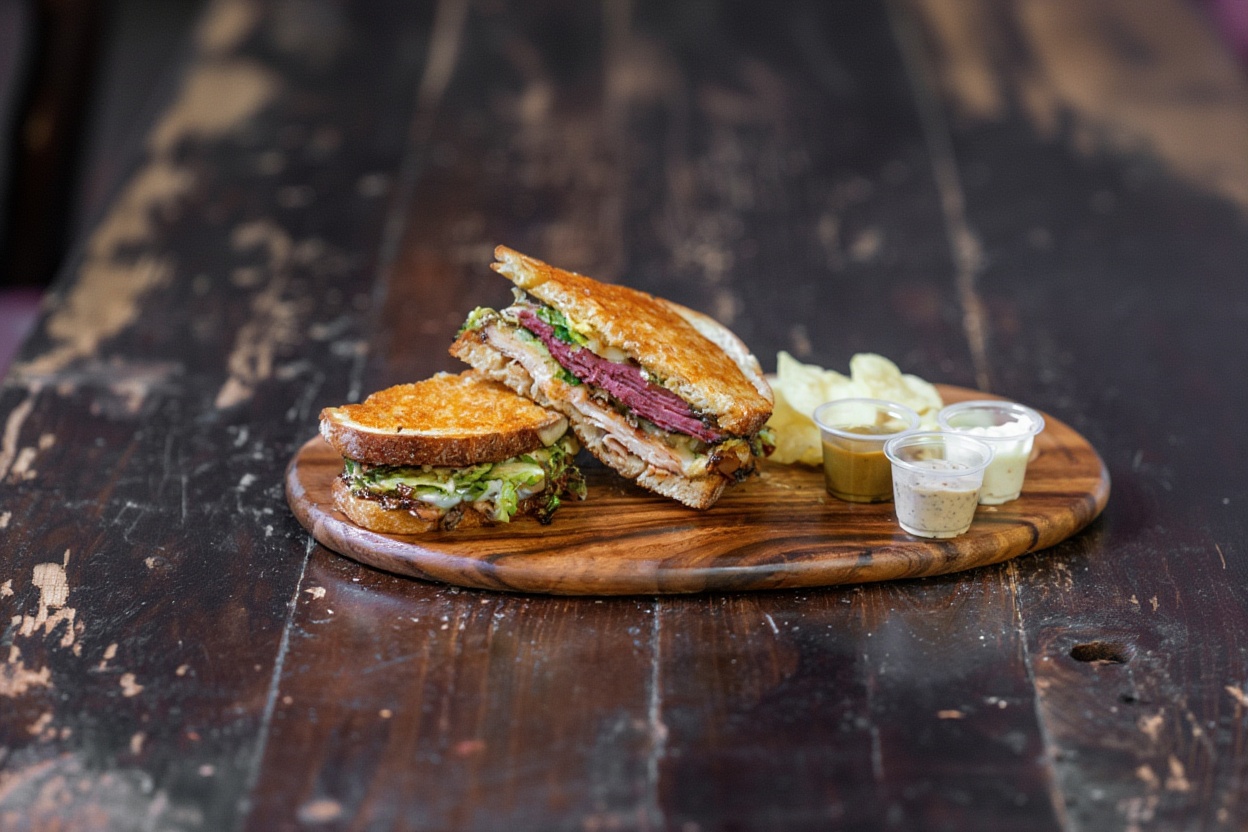
Lunch: This is where Chicago shines for budget eating. A Chicago hot dog is $4–6 at any proper hot dog stand — Vienna Beef, poppy seed bun, yellow mustard, relish, tomato, onion, pickle, celery salt. No ketchup. Not negotiable. An Italian beef at Al’s Beef on Taylor Street runs $9–12 for a sandwich that will fill you up properly. Portillo’s has multiple locations and does both. Budget: $8–14.
Dinner: Taquerías in Pilsen (18th Street corridor) run $10–16 for a full dinner. The tamale cart I mentioned in my things-to-do guide is technically a snack, not a dinner, but three tamales for $6 is a legitimate budget dinner strategy. For a proper sit-down meal in a real restaurant, Lula Cafe in Logan Square has a weeknight prix fixe that’s genuinely good value at around $40/person including a drink. Budget: $12–20.
Mid-Range Eating ($50–80/day)
This is where most visitors land. Breakfast at a café ($10–15), lunch at a mid-range spot or deep dish for two ($14–18/person at Lou Malnati’s), dinner at a Logan Square or West Loop restaurant ($30–50/person before drinks).
The deep dish question: a small deep dish at Lou Malnati’s costs around $22–28 and feeds two people who aren’t ravenous. Order it before you arrive — they’ll start cooking when you call, so you can show up and eat instead of waiting 45 minutes. See the full breakdown in Best Deep Dish Chicago.
For a nicer dinner without going full splurge, the Logan Square and Pilsen dining corridors offer the best value in the city. Lula Cafe on Logan Boulevard does a weeknight prix fixe around $40–45 per person including a drink — that’s a three-course dinner at a genuinely excellent restaurant, not a tourist compromise. Dove’s Luncheonette in Wicker Park does Southern-influenced food at around $18–28 for mains, and the counter seating means you’re usually in and out within an hour. Both are the kind of meals that make you understand why Chicago’s food reputation holds up when you eat beyond the deep dish conversation.
⚠Real Talk
The restaurants within two blocks of Millennium Park — Grant Park side of Michigan Avenue — are charging a location premium of roughly 40%. The food isn’t different. The view from the table is a parking garage or a wall of other tourists. Walk four blocks west on Monroe and the same quality meal costs significantly less. I’ve watched visitors pay $22 for a burger that costs $14 two blocks away. Walk the extra four minutes.
Getting Around Chicago Without Spending $80 on Rideshares
This is the single biggest budget lever in Chicago. The math is stark.
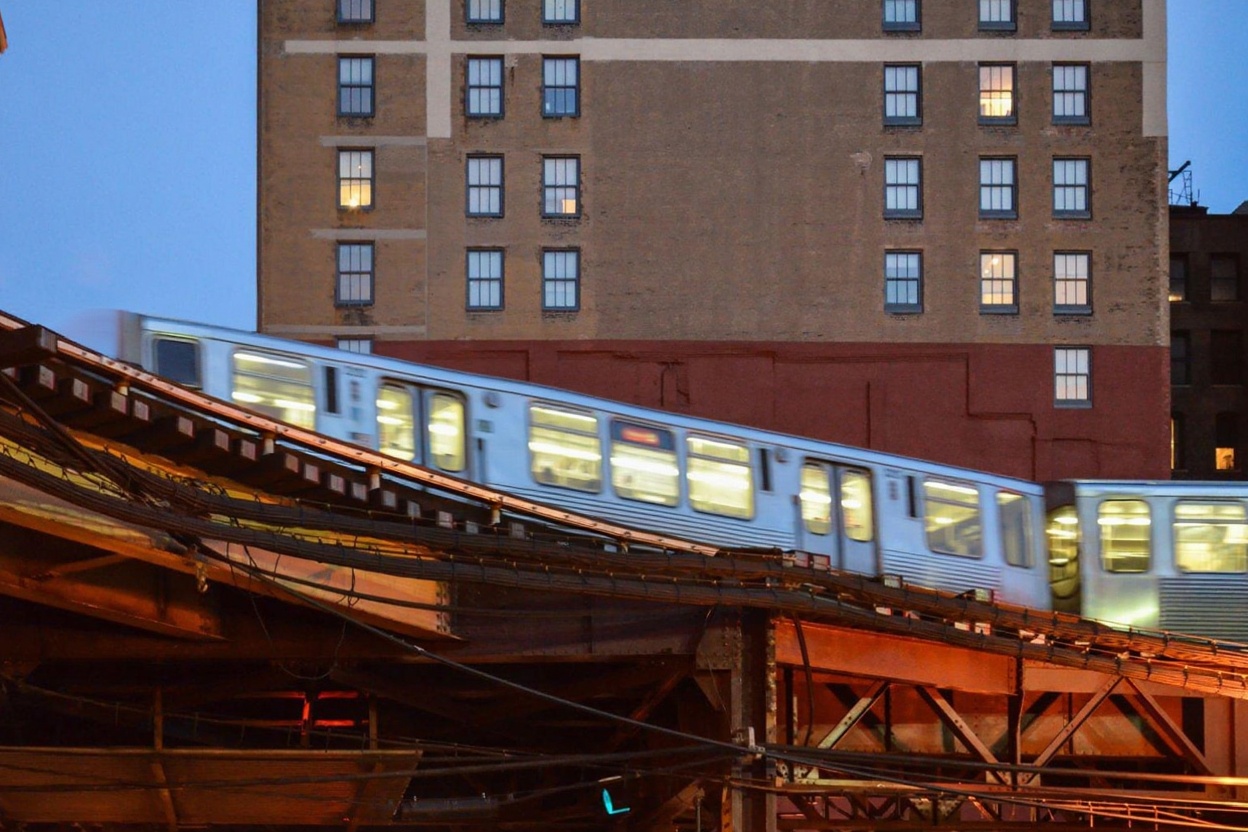
The L: $2.50 per ride, $5 for a 24-hour unlimited pass. The 3-day pass is $15. A week of unlimited L rides is $28. If you’re taking more than two L trips per day, get the day pass — it pays for itself on the third ride.
The math against rideshares: a Lyft from Wicker Park to the Art Institute in moderate traffic costs $14–22. The Blue Line from Division to Monroe/State (closest stop) takes 12 minutes and costs $2.50. If you’re doing this three times per day for five days, the L saves you roughly $175 versus rideshares. That’s a hotel night’s difference.
Divvy bike share: $5 for a 24-hour pass with unlimited 30-minute rides. Excellent for the lakefront trail (flat, paved, runs from the south side to Evanston) and for short hops between neighborhoods on weekdays. Less ideal in January, ideal in June through September.
From O’Hare Airport: Blue Line to the Loop, $5, 45 minutes, runs 24 hours. A taxi or rideshare is $55–70 and takes the same time in traffic. This is the clearest single budget decision of the whole trip — take the Blue Line. Every single time.
ℹKnow Before You Go
The Blue Line splits near the end of the line — one branch goes to O’Hare, one goes to Forest Park. They look identical until you check the destination board at the front of the car. I boarded the wrong branch once and ended up in Forest Park at 11pm. Check the sign. Always.
Free Chicago: The Activities That Cost Nothing
Chicago has an unusually strong free-attraction roster for a major American city.

Lincoln Park Zoo: Free, always, no exceptions. One of the last free admission zoos in the country. Open year-round. The polar bear exhibit and the great ape section are genuinely good. Red Line to Fullerton, then a 15-minute walk through Lincoln Park. Budget two to three hours.
Millennium Park: Free to walk, always. The Bean, Crown Fountain, the Great Lawn, the Pritzker Pavilion outdoor concert stage (free performances June through August on weekends). On first and third Saturdays, free 45-minute architecture walking tours depart from the park. Check the schedule at the Millennium Park Welcome Center.
The Riverwalk: Free to walk the whole length. Good views of the architecture, particularly the stretch between the Michigan Avenue Bridge and Wells Street where the canyon effect of the buildings is strongest. Kayak rentals if you want to be on the water ($25/hour from Chicago Riverwalk Kayak).
Pilsen Murals: Free. The 18th Street mural corridor is one of the best concentrations of public art in any American city. Pink Line to 18th Street, walk east along 18th. Budget 1.5–2 hours. The National Museum of Mexican Art in Pilsen is also free (suggested donation).
Chicago Cultural Center: Free. The restored 1897 building on Michigan Avenue has the 38-foot Tiffany glass dome in Preston Bradley Hall — mosaics of green and gold that cover the entire ceiling — plus free rotating art exhibitions and free performances on most weekdays at lunchtime. Worth 30–45 minutes even if you’re not an art person. The architecture alone justifies the stop.
For the full rundown on what to do with your time: Things to Do in Chicago covers the paid and free options in detail.
Paid Attractions: What’s Worth the Money
Not everything costs the same, and not everything delivers the same value. Here’s the honest ranking.
Worth it — Chicago Architecture Cruise ($45): 90 minutes on the river, 50+ buildings explained by a guide who knows the material. The best single way to understand Chicago in a short trip. Do this before anything else.
Worth it — Art Institute of Chicago ($26–32): The permanent collection is excellent and the building itself is a reason to visit. Budget half a day minimum. Illinois residents get in free on certain Thursday evenings — check the calendar.
Conditional — Willis Tower Skydeck ($36–45): If you’re a first-timer who wants the full skyline panoramic experience, yes. If you’re budget-constrained, the lakefront view on a clear day is comparable and free. Not a must-do if money is tight.
Skip if budget is tight — CityPASS ($102–139) and Go City ($124–234): These passes bundle the major attractions. The math works out if you’re hitting four or five paid attractions in three days. If you’re leaning into Chicago’s free scene and doing one or two paid activities, the pass doesn’t save you money.
The Confession: What I Wasted Money on Once
My first year in Chicago, I took cabs. Not Ubers — actual Yellow Cabs, because I hadn’t fully committed to figuring out the L yet. I lived in Wicker Park and worked in the Loop and I was spending $22 each way, twice a day, five days a week.
That’s $220 a week on a commute that costs $5 via the Blue Line.
I figured out the L in week three. The commute takes exactly the same amount of time. The math is so obvious in retrospect that I find it embarrassing to recount. But I tell every visiting friend: take the Blue Line from O’Hare, buy the day pass, and commit to the L for the whole trip. You will not miss the rideshare. The L goes everywhere that matters.
Drinking Budget: The Honest Numbers
Chicago has a good bar scene. It also has a price range that spans dive bar to craft cocktail lounge, and the gap is about $10 per drink.
A beer at a neighborhood bar in Wicker Park or Logan Square: $5–7. A craft beer at a bar that takes itself seriously: $8–12. A cocktail at a River North bar on a Friday night: $14–18, and you’re paying for the overhead of being in River North on a Friday night.
Happy hour is real and worth using. Most neighborhood bars run happy hour from 4–7pm weekdays — $1–2 off drafts, sometimes half-price appetizers. The actual savings add up if you’re having two or three drinks per evening.
Budget for drinks: $15–25/day if you’re having a couple of drinks at neighborhood bars. $40–60 if you’re in River North or the Magnificent Mile area for the evening.
When to Visit for the Best Prices
Chicago hotel prices follow demand patterns that are mostly predictable. The cheapest time to visit is January through March — cold, occasionally brutal, but hotel prices drop 40–50% from summer rates and the museums are never crowded. If you’re doing a city-focused trip (food, music, architecture) and don’t need outdoor activities, winter is genuinely good value.
The most expensive time is June through September, particularly around major events (Lollapalooza in August sends hotel prices to extraordinary levels for that weekend). Check the events calendar before you book — a random August weekend might cost $180/night for a decent hotel, but Lollapalooza weekend in Grant Park is $350+ for the same room.
Best value shoulder season: April–May and October. Weather is good enough (though variable in April), the tourist pressure is reduced, and hotel prices are 20–30% lower than peak summer. October in Chicago is genuinely excellent — the weather is crisp, the neighborhoods are active, and the city hasn’t gone into winter mode yet. For the full seasonal breakdown: Best Time to Visit Chicago.
FAQ: Chicago Budget Travel
- How much does a trip to Chicago cost per day?
- Budget travelers using hostels, the L, and Chicago’s free attractions can manage $80–120/day. Mid-range — decent hotel in a good neighborhood, sit-down meals, one paid attraction — runs $180–260/day. Splurge (boutique hotel, multiple restaurant meals, activities) pushes $350+/day. The biggest variable is accommodation, followed by whether you use the L or rideshares.
- What are the cheapest things to do in Chicago?
- Lincoln Park Zoo (free, always), Millennium Park and the Bean (free), the Chicago Riverwalk (free), Pilsen’s 18th Street murals (free), the Chicago Cultural Center (free), and Lake Michigan’s lakefront trail (free). The L day pass ($5) unlocks all of them. Chicago’s free activity list is stronger than most major American cities.
- Is Chicago expensive to visit?
- Cheaper than New York City and San Francisco, comparable to Los Angeles, more expensive than most Midwest cities. The biggest costs are accommodation (mid-range hotels run $120–180/night in good neighborhoods) and food if you’re eating at full-service restaurants for every meal. Street food, ethnic neighborhoods, and the L keep costs manageable if you’re paying attention.
- Where is the cheapest place to stay in Chicago?
- HI Chicago hostel (dorms from ~$35/night) is the budget floor. For private rooms, boutique hotels in Wicker Park and Logan Square run $110–150/night and are significantly cheaper than Loop or Magnificent Mile equivalents. The L connects these neighborhoods to downtown in 10–15 minutes, so staying west costs less without costing you time.
- How do I get from O’Hare to Chicago cheap?
- Blue Line CTA train from O’Hare to downtown, $5, 45 minutes. Runs 24 hours, seven days a week. A taxi or rideshare costs $55–70 and takes about the same time in normal traffic, longer in rush hour. There’s no scenario where the cab is the right financial choice unless you have six bags and three people.
- What is the best neighborhood to stay in Chicago on a budget?
- Wicker Park (Blue Line, Division stop) or Logan Square (Blue Line, Logan Square stop). Both have a full range of restaurants and bars, good walkability, and hotel prices 30–40% lower than the Magnificent Mile. Both are 10–15 minutes from downtown by L. Pilsen is even cheaper but slightly more removed from the main attractions.
The Bottom Line on Chicago Costs
Chicago is a city where your budget decisions matter a lot because the gap between the tourist version and the local version is wide. The tourist version — Magnificent Mile hotel, rideshares everywhere, restaurants near the hotel — costs significantly more than the local version and is a worse experience in most measurable ways.
Take the L. Stay in Wicker Park or Logan Square. Eat the Italian beef. Go to the free museum on the right day. Chicago rewards the visitor who pays attention, and it doesn’t actually cost that much to pay attention.
Neighborhood breakdown for planning purposes: Chicago Neighborhoods Guide.
Day-by-Day Budget Example: A 4-Day Chicago Trip
This is what a realistic 4-day Chicago mid-range trip looks like in dollars, based on the strategies in this guide.
Day 1 (arrival): Blue Line from O’Hare ($5). Hotel check-in in Wicker Park ($140/night). Walk Milwaukee Avenue, afternoon coffee ($5). Dinner at Big Star on Damen — tacos, one drink ($22). Total: $172.
Day 2 (downtown + architecture): L day pass ($5). Architecture Cruise ($45). Art Institute ($26). Lunch near the Riverwalk — avoid Michigan Avenue, walk two blocks west ($14). Dinner at a Logan Square restaurant, Blue Line there and back ($55 with drinks). Total: $145.
Day 3 (neighborhoods): L day pass ($5). Pilsen: Pink Line to 18th Street, murals, National Museum of Mexican Art (free), carnitas at Uruapan ($10, cash). Afternoon in Wicker Park. Cocktails at Violet Hour ($16 each, two drinks). Deep dish dinner at Lou Malnati’s, medium for two ($32). Total: $79.
Day 4 (free day + departure): Lincoln Park Zoo (free). Green City Market if it’s a Saturday ($20 for pastries and produce). Chicago Cultural Center (free). Blue Line to O’Hare ($5). Total: $25–30 plus any shopping.
Running total (per person, 4 nights): Hotel 4 nights $560, food/activities/transit approximately $420. Total approximately $980 per person at mid-range. For comparison: the same trip based in a Magnificent Mile hotel ($220/night) with rideshares everywhere ($30/day) would run approximately $1,480 per person — $500 more for essentially the same experience, mostly spent on hotel location and car rides.
Chicago Budget: The Honest Mistakes Visitors Make
Nine years of watching people visit Chicago has produced a consistent list of budget errors. These aren’t obscure mistakes — they’re the same ones, repeated by intelligent people who just haven’t been here before.
Eating within two blocks of the hotel on Michigan Avenue. The restaurants in the direct orbit of the Magnificent Mile charge 30–50% more than equivalent restaurants three blocks west. Every block you move west from Michigan Avenue, prices normalize. Walk four blocks to State Street. Walk six blocks to Wabash. The food quality goes up and the price goes down.
Taking an Uber for every trip. Chicago is a city where the L is faster than road traffic during peak hours. A Wicker Park to Art Institute Uber on a weekday at 10am costs $14–22 and takes 25–35 minutes in traffic. The Blue Line from Division to Monroe/State costs $2.50 and takes 12 minutes. This is not a close call. The only scenario where the Uber wins is late at night when the L frequency drops to 30-minute intervals, or when you have more luggage than is manageable on the train.
Navy Pier food. Navy Pier has restaurants. They are expensive, they are oriented toward captive audiences, and nothing about them is worth paying for when you’re a $2.50 L ride from Logan Square. If you’re at Navy Pier for the lake view or a specific event, eat before you get there or after you leave.
Not using the Chicago CityPASS math correctly. The CityPASS ($102–139) bundles Willis Tower Skydeck, the Art Institute, the Field Museum, Shedd Aquarium, and Adler Planetarium. If you’re planning to hit four of those five in three days, it saves you $20–40. If you’re planning to hit two of them and fill the rest of your trip with free activities and neighborhoods, you’ve overpaid. Do the math for your specific itinerary before buying.