Last updated: June 2026 — Ryan Kowalski. Prices and local intel verified June 2026.
What Gold Coast Actually Is
Gold Coast sits between Lake Michigan and LaSalle Street, from Division Street in the south to North Avenue in the north. It’s been Chicago’s wealthiest neighbourhood since the 1880s, when Potter Palmer (the department store magnate) decided he’d had enough of Prairie Avenue and built a castle on Lake Shore Drive. Everyone who mattered followed.
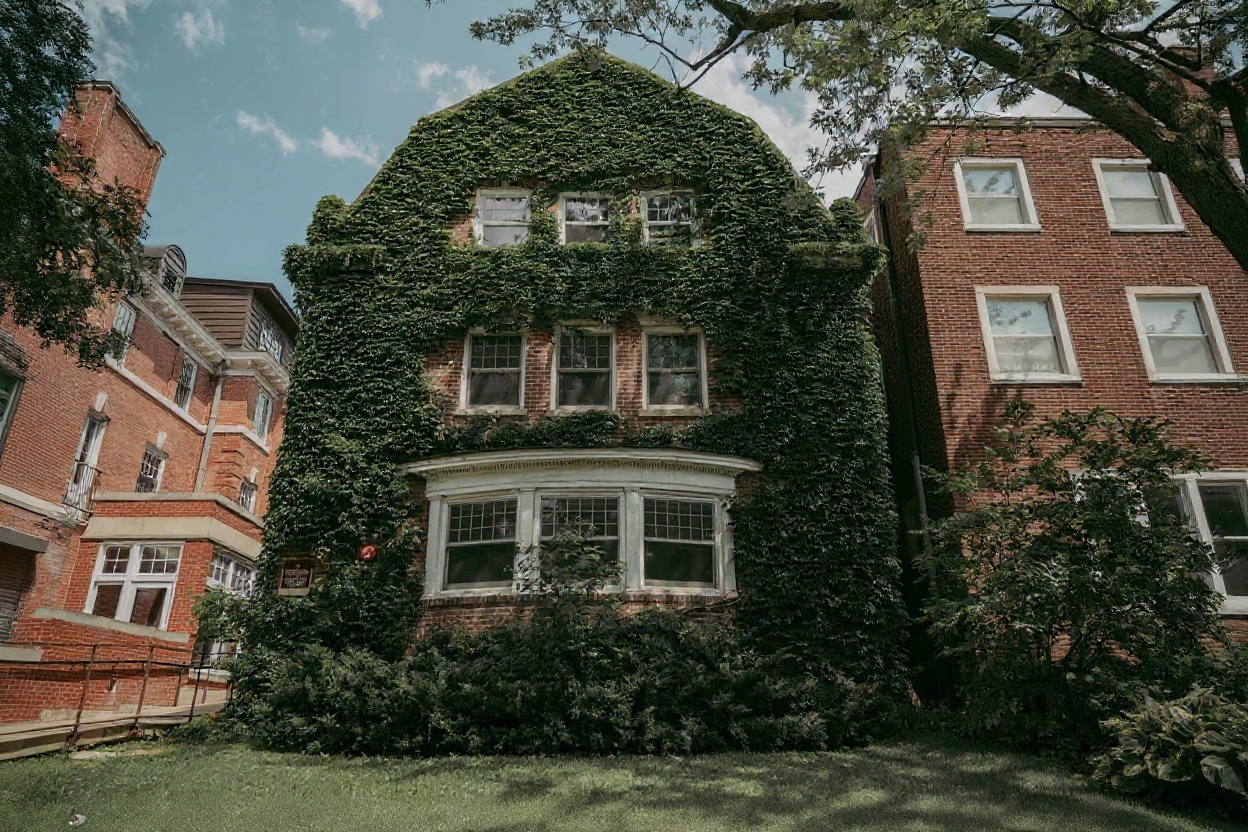
“Gold Coast tends to be more for older, wealthier folk (40+) whereas Lakeview is a bit younger.” That’s a Reddit take but it’s broadly accurate. The median age and income here are both the highest in the city. The housing stock reflects this — Astor Street alone has more historically significant mansions per block than anywhere else in Chicago.
The feeling when you’re walking there: manicured. Tree-lined streets, no obvious commercial clutter, the buildings are maintained. “It has a weird vibe over there. Its hard to describe.” Also accurate. It doesn’t feel like the same city as Lincoln Square or Bridgeport. It feels like Chicago’s version of New York’s Upper East Side — self-contained, expensive, and perfectly pleasant to walk through.
For visitors: the neighbourhood is best treated as a route rather than a destination. Walk through it to get to the lake. Walk Astor Street for the architecture. Then use it as a staging point for Oak Street Beach, Lincoln Park, and the lakefront path.
The Lake and Oak Street Beach
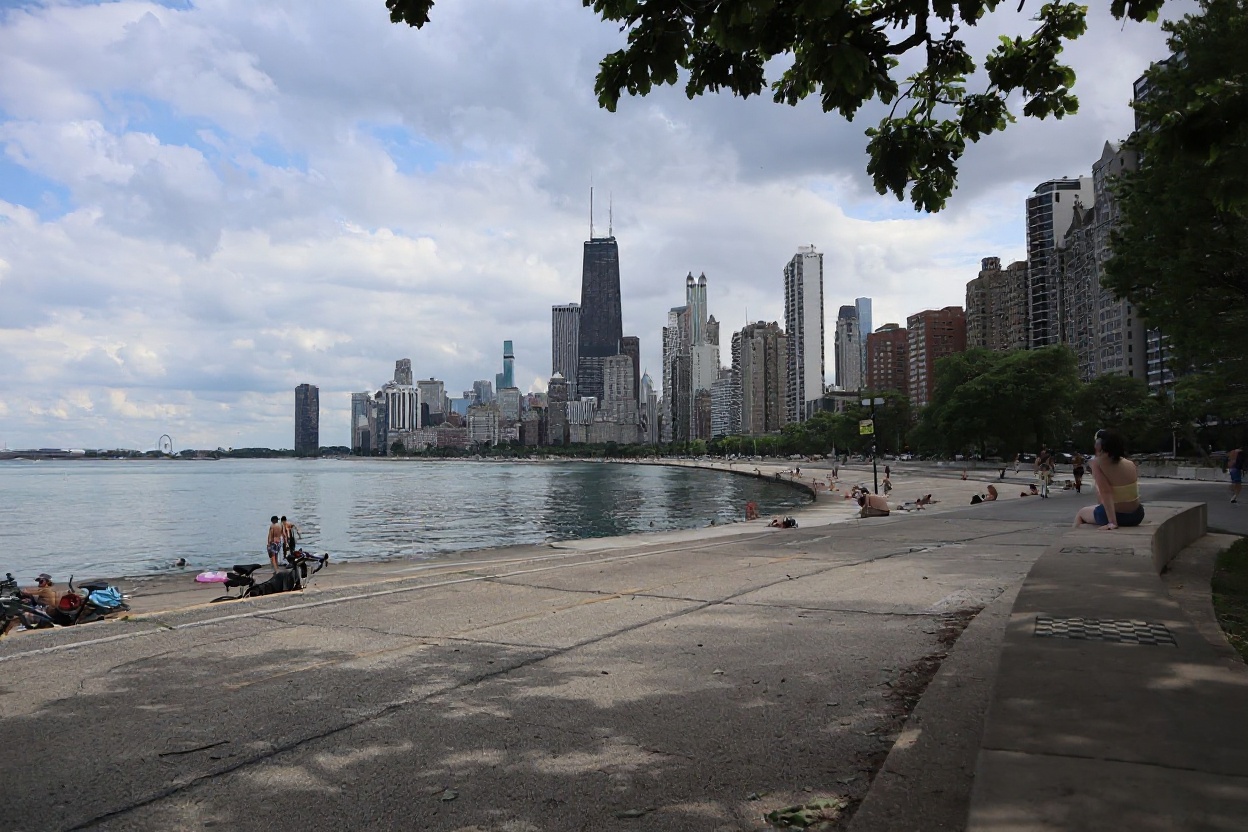
Oak Street Beach is the Gold Coast’s front yard. You reach it by following Oak Street east until it ends — which is how the neighbourhood names the beach. The lake here is as good as Chicago lake swimming gets: a protected crescent of sand, clear (by Great Lakes standards) water, the skyline framing the scene from the south.
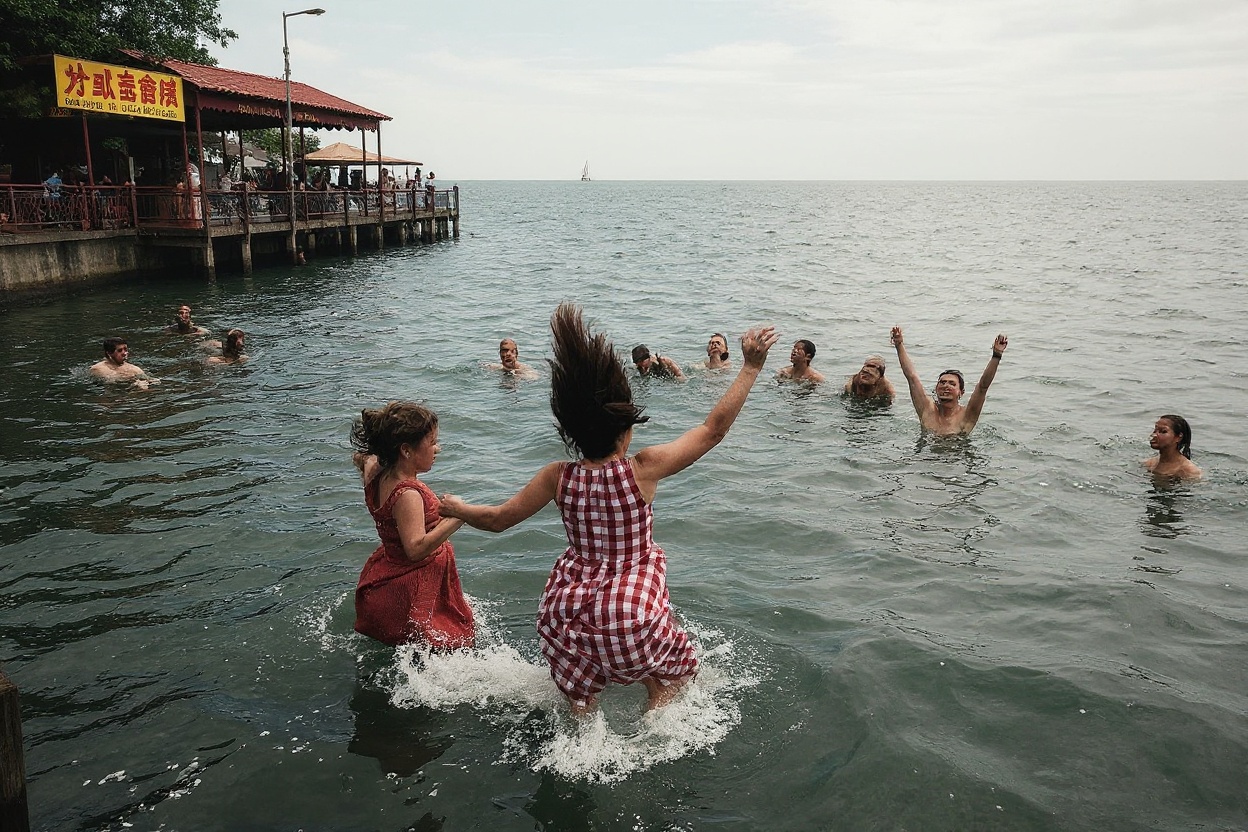
Summer weekends are busy. This is not a criticism — it’s a popular public beach in a major city. Arrive before 10am for a quiet hour, or come on a weekday. The volleyball courts on the north end of the beach run pickup games in summer that are genuinely good to watch. There’s a beach house with bathrooms and a snack bar.
The lakefront path runs directly past Oak Street Beach, connecting Navy Pier to the south and Lincoln Park to the north. If you’re cycling or running the lakefront, this section between the Oak Street underpass (the tunnel under Lake Shore Drive) and North Avenue is the stretch that gets you into the cleaner section of the trail. Rent a Divvy bike from the Divvy station at Michigan and Walton — 10 minutes to Oak Street Beach.
“I’m next to the park and the lake, so there’s always something to do and you don’t feel as stuck in the heart of the city.” That’s a Gold Coast resident’s take. In the context of Chicago’s dense neighbourhoods, the lake access here is genuinely superior to most of the city.
The Architecture: Astor Street and Beyond
The Gold Coast Historic District runs roughly from Burton to Division, east of State Street. Astor Street is the spine — eight blocks of some of the most remarkable residential architecture in America, ranging from Richardson Romanesque brownstones to Charnley-Persky House (Louis Sullivan, 1892, now the Society of Architectural Historians) to the Madlener House (now the Graham Foundation).
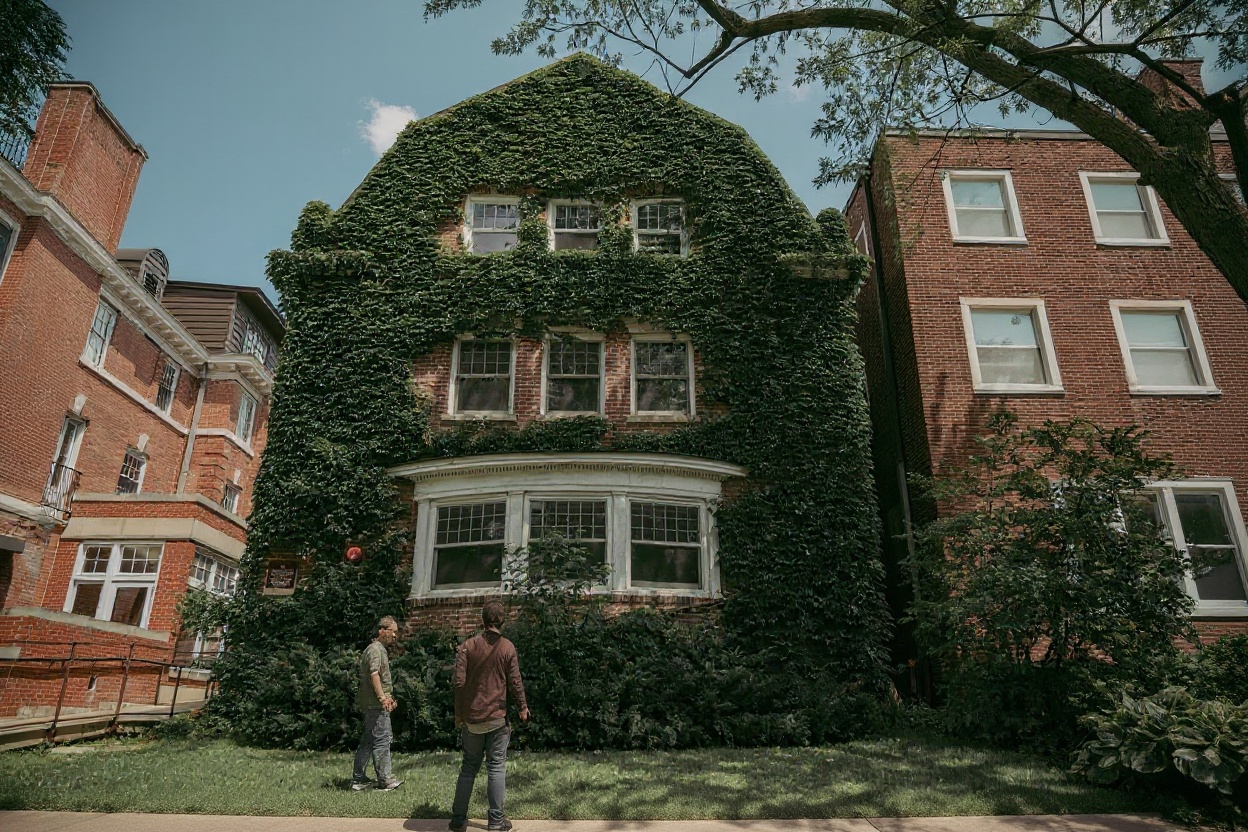
The Charnley-Persky House at 1365 N. Astor — one of the earliest examples of modernist residential architecture in Chicago, designed when Sullivan’s office also employed the young Frank Lloyd Wright — gives tours Saturday mornings. Worth the walk even if you’re not on the tour. The exterior alone justifies stopping.
International Museum of Surgical Science, on the lakefront at 1524 N. Lake Shore Drive: curious and very good. Four floors of surgical history in a 1917 mansion. Free Tuesdays. If you’re walking the lakefront path north, it’s the right kind of detour on a hot afternoon when you want air conditioning and something genuinely interesting.
The residential streets between Astor and the lake — Dearborn, State — have the more affordable but still historically significant brownstones that define the neighbourhood’s character. Walk them slowly. Chicago’s architecture reward is proportional to how slowly you move.
Rush Street and the Viagra Triangle
The “Viagra Triangle” — the area around Rush and Division — got its name from the concentration of wealthy older men and the women they’re buying drinks for. This is not subtle. The bars and restaurants here — The Tavern on Rush, Gibson’s Steakhouse, Hugo’s Frog Bar — cater explicitly to this scene.
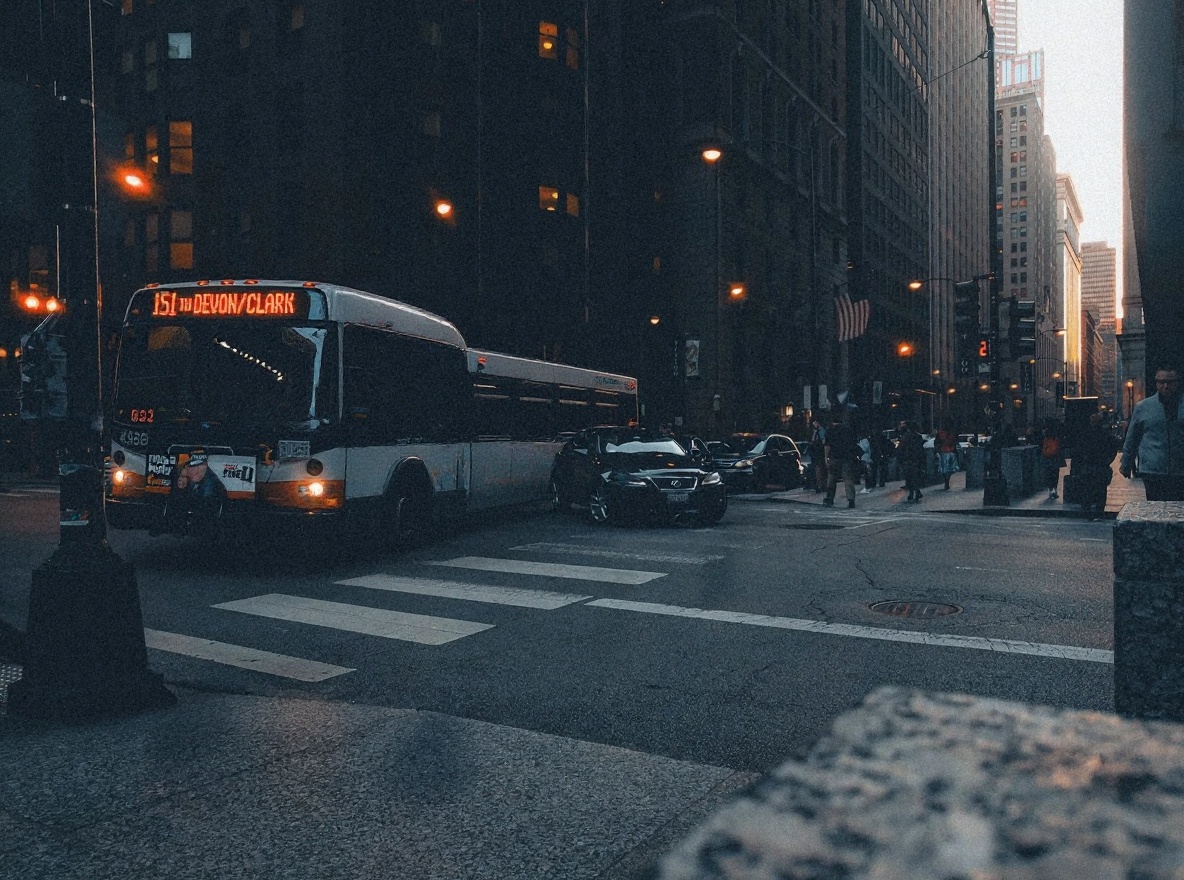
Is it worth going? Yes, for the anthropology. One drink at a terrace bar on Rush Street in summer is a specific Chicago experience — the theatre of it, the money on display, the particular version of Chicago social life that has existed in this exact spot for 50 years. “I suggest sitting outdoors for a drink but getting a meal elsewhere.” That’s the correct use of this area.
For a meal: Gibson’s Steakhouse has a reputation and the steaks are good. The price point is significant — expect $70–100 per person with wine. For that budget in Chicago, you have better options in other neighbourhoods. But if you want the Gold Coast institution experience and don’t mind the bill, Gibson’s delivers what it promises.
“In the area between Division, North, LaSalle and the lake, restaurants are scarce, unlike in most other neighbourhoods.” This is genuinely true and something visitors notice. Outside the Rush Street strip, the neighbourhood has remarkably limited dining for its density. The residential streets have almost no restaurants. Plan accordingly.
Shopping on Oak Street
Oak Street between Rush Street and the lake is Chicago’s luxury shopping block. Hermès, Prada, Ikram (the Chicago boutique that dressed Michelle Obama), a cluster of high-end hair salons and spa brands. It’s a one-block statement about what this neighbourhood thinks of itself.
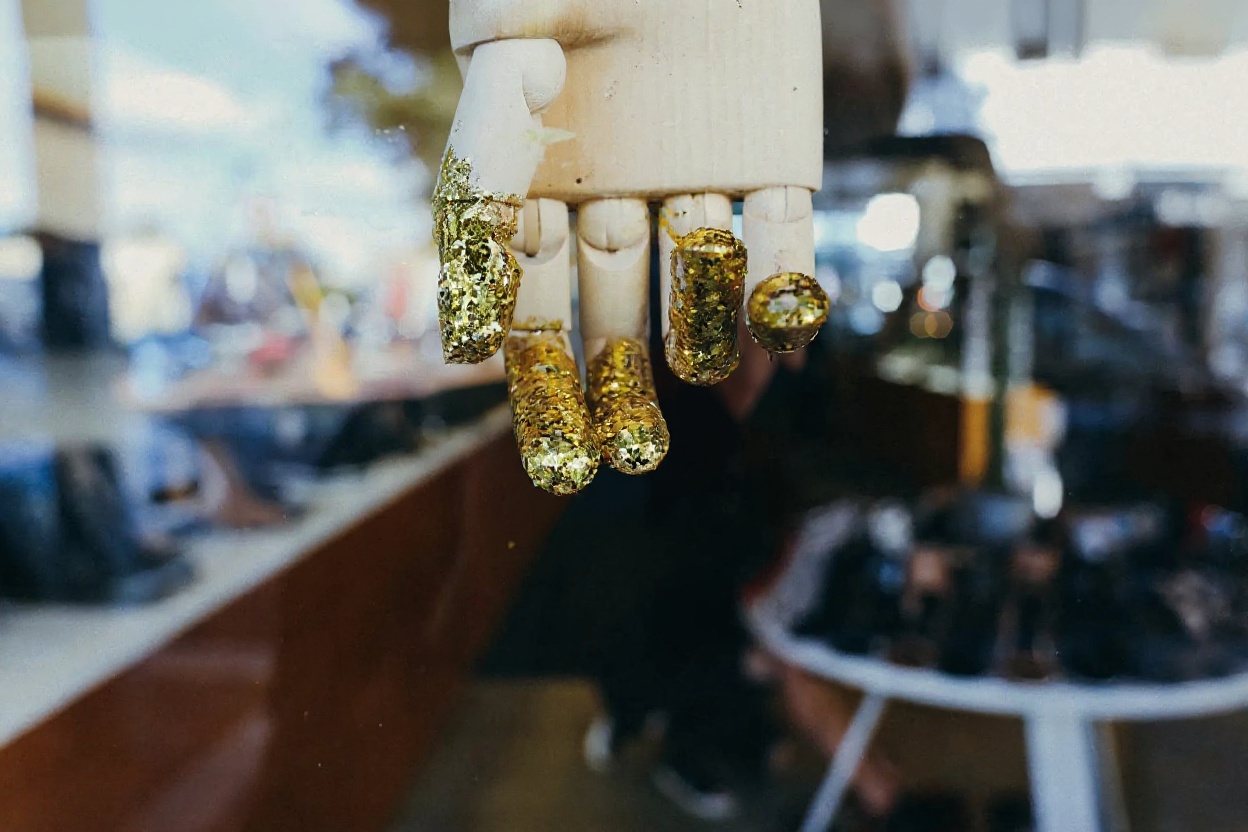
If you’re shopping at this level, you don’t need recommendations from me. If you’re not: the block is worth walking for the window displays and the building facades. The architecture on the commercial end of Oak Street is quieter than Astor but has its own details worth noticing.
For practical shopping: the Walgreens on Michigan and Chestnut, the Mariano’s grocery on Dearborn, the CVS at State and Division. The neighbourhood has the full infrastructure of a dense Chicago residential area — these are the stores that actually serve the people who live here.
Getting To and Around Gold Coast
The simplest option from downtown: walk north on Michigan Avenue from the Magnificent Mile, or take the 151 or 156 bus from any stop along Michigan. The bus drops you at Oak Street or along Lake Shore Drive depending on which you take.
Red Line: the Chicago stop (State and Chicago) is the southern end of the neighbourhood. Clark/Division is 10 minutes north. Both are about a 5-minute walk to the lake.
Divvy bike stations: multiple along the lakefront and at Rush and Walton. For getting from Gold Coast to Lincoln Park (the museum, the zoo, the North Avenue beach) the Divvy is the fastest option — 15–20 minutes on the lakefront path, direct.
Parking: don’t. Street parking in Gold Coast is residential-permit only on most streets. Paid garages exist on Rush Street but charge Chicago rates ($20–35 for 2–3 hours). There is no scenario where driving here saves time over transit unless you’re coming from the suburbs at an off-peak time.
Taxis and rideshare work fine for drop-off at Oak Street Beach or Astor Street, but pickup can be slow during summer weekends when everyone is trying to leave the beach at the same time. If you’re heading out after a Rush Street evening, the Clark/Division Red Line stop is a 5-minute walk and runs all night. Overnight CTA service on the Red Line is one of Chicago’s genuine advantages over comparable American cities.
Where to Stay in Gold Coast
Staying in Gold Coast puts you within walking distance of the lake, the Magnificent Mile, and River North — which is a genuinely good location if the budget allows. The accommodation options here are almost uniformly expensive. What you’re paying for is proximity and the neighbourhood itself.
The Ambassador Hotel (1301 N. State Parkway) is the Gold Coast hotel with actual character — a 1920s property with a history that includes essentially every significant figure in American entertainment and politics from the 1930s through 1970s. The rooms are updated but the bones are the bones. Mid-range by Gold Coast standards. The Pump Room bar in the lobby is worth visiting even if you’re not staying there.
The Waldorf Astoria Chicago (11 E. Walton Street) is what you’d expect from a Waldorf — large rooms, attentive service, the full luxury hotel infrastructure. Expensive. The location, a block from Michigan Avenue and two blocks from the lake, is hard to argue with. If the budget allows for this category, this is where the Gold Coast experience actually makes sense as a complete package.
For budget visitors: the Gold Coast is not where you look. The Red Line to Wicker Park or Logan Square drops you in well-priced Airbnb territory 20–25 minutes from here. The Gold Coast is better as a destination than a base unless the hotel budget is genuinely flexible.
Where to Actually Eat Near Gold Coast
The honest answer to “where should I eat in Gold Coast” is: probably not in Gold Coast. The neighbourhood has a thin restaurant infrastructure for its density — outside of Gibson’s and a handful of Rush Street bars with food menus, the dining options are limited and expensive relative to what you get. But you’re a 10–15 minute walk from several of Chicago’s better eating neighbourhoods, which makes this easy to solve.
Old Town (walk south on Wells Street from North Avenue): The closest neighborhood and the one most visitors discover accidentally when looking for dinner after a Gold Coast day. Wells Street from North to Division has a genuine restaurant strip — Star of Siam has been there since the 1980s, Dinotto Ristorante does Italian at a non-Gold Coast price point, and Twin Anchors (Sedgwick and Eugenie) is the Lincoln Park/Old Town institution for ribs. The Old Town Ale House on North Avenue is a Chicago bar in the classic sense — no cocktail menu, no mood lighting, just beer and the same regulars since 1958.
River North (15 minutes south on Michigan or a Divvy ride): Chicago’s densest restaurant corridor. If you want sushi, the options on Clark and Hubbard are legitimate. RPM Steak on Kinzie is what Gibson’s would be if Gibson’s had a modern kitchen. More importantly: the price-to-quality ratio is sharply better than Rush Street for almost everything except the Gold Coast institution experience specifically.
Lincoln Park (10 minutes north on Clark): Nookies on Wells does the best diner breakfast in the neighborhood. North Pond in Lincoln Park (the restaurant, not the neighborhood — inside Lincoln Park itself, on the pond) requires a reservation and some forward planning but is one of the better farm-to-table experiences in Chicago. Boka on Halsted has been good for 15 years without becoming the kind of place that trades on its reputation.
One honest exception within Gold Coast: The Pump Room at the Ambassador Hotel (1301 N. State Parkway) has had a complicated history but its current incarnation as a hotel bar with good cocktails and a limited menu works well for what it is — a pre-dinner drink in a room with actual history. Bogart and Bacall and Humphrey stayed there. Frank Sinatra. The room has seen things. Worth a drink before you walk to dinner somewhere else.
Gold Coast Through the Seasons
Chicago has weather with a capital W, and it changes what Gold Coast is worth doing at different times of year.
Summer (June–August): This is the obvious answer, but it’s correct. Oak Street Beach operates at full capacity — the volleyball courts have competitive pickup games, the snack bar opens, and the lakefront path becomes the city’s main artery for cyclists and runners. Gold Coast in summer weekday mornings, before 9am when the beach is empty and the light is good: genuinely beautiful. The downside: Lake Shore Drive traffic is bad, parking is worse, and the Rush Street bars charge accordingly. Come by transit.
Fall (September–October): The best underrated option. The Astor Street architecture tour is better in October than any other month — the trees are in colour, the light is lower, and the residential streets are quiet in a way that feels almost impossible for a neighbourhood this close to downtown. The lake is still swimmable into September. North Avenue Beach stays open officially until Labour Day but the water doesn’t know that. A clear October morning on the lakefront path — running or cycling, no destination — is one of the better Chicago experiences available for free.
Winter (December–February): Chicago winter on the lakefront is not for everyone. The wind off the lake is specific in a way that the rest of the city doesn’t experience — Lake Shore Drive has a wind advisory system for a reason. That said: the Astor Street architecture reads completely differently under snow, and the neighbourhood is empty enough that you can walk the residential streets alone. The International Museum of Surgical Science is free on Tuesdays and fully heated. Gibson’s does their best business in January for a reason — it’s warm, it serves large portions, and the Viagra Triangle empties of tourists. If you want the Gold Coast experience without the summer crowds, this is it.
Spring (March–May): Variable. April in Chicago means it could be 50°F and grey or 70°F and sunny in the same week. The lakefront path reopens for serious use in late April. The Gold Coast garden courts (behind the brick mansions on Astor Street) start to show in May. By Memorial Day weekend the beach is operational again. If you’re visiting in May on a good weather day, the lakefront path north from Oak Street Beach to North Avenue Beach and back is about two miles and shows you what Chicago’s lakefront relationship actually looks like.
One Gold Coast detail that doesn’t fit any season: the Newberry Library (60 W. Walton Street, just west of the neighbourhood’s boundary). It’s an independent research library but it has a public gallery and regular exhibitions, and the building itself — 1892, H.H. Richardson-influenced red granite — is the kind of architecture that gets overlooked because it’s not on the obvious tourist circuit. Free admission to the exhibition gallery. Worth ten minutes even if you’re not a library person.
- What is Gold Coast Chicago known for?
- Gold Coast is Chicago’s wealthiest historic neighbourhood — known for Oak Street Beach (best centrally-located beach access in the city), the Gold Coast Historic District (extraordinary concentration of late-19th century mansions on Astor Street), Rush Street bar scene, and high-end shopping on Oak Street. It’s not a neighbourhood you visit for a local scene — it’s one you visit for the lake, the architecture, and to understand Chicago’s old money history.
- Is Gold Coast Chicago worth visiting?
- For the lake access and the architecture: yes, absolutely. Oak Street Beach is genuinely excellent and the Astor Street architecture is some of the most significant in the city. For the restaurant and bar scene: partially — one drink on Rush Street is worth it; a full evening or a full dinner at Gold Coast prices is outperformed by other neighbourhoods. If you’re already on the Magnificent Mile, Gold Coast is a 10-minute walk north and adds significantly to the day without extra effort.
- What is the best way to get to Gold Coast Chicago?
- Red Line to Chicago Ave station or Clark/Division, then walk east to the lake. Or bus 151 or 156 from Michigan Avenue. Divvy bike from any downtown station along the lakefront path — 15 minutes from Millennium Park. Don’t drive — parking is residential-permit or expensive paid garages. Transit is faster in every scenario.
- What are the best restaurants in Gold Coast Chicago?
- Gibson’s Steakhouse is the Gold Coast institution — expensive (expect $70–100/person with wine) but it delivers on the Chicago steakhouse tradition. For most other meals, the recommendation is honest: there are better restaurants per dollar in River North, Old Town, or Lincoln Park a short distance away. “In the area between Division, North, LaSalle and the lake, restaurants are scarce.” Plan to eat in an adjacent neighbourhood and use Gold Coast for the lake and architecture.
- Is Oak Street Beach worth visiting?
- Yes — it’s one of the best centrally-located urban beaches in the United States. Free public access, good sand, the Chicago skyline behind you, Lake Michigan in front. Busy on summer weekends but manageable with an early-morning or weekday visit. The lakefront path access makes it easy to connect to North Avenue Beach (quieter) or Navy Pier (busier) by bike or on foot.
- What is the Viagra Triangle in Chicago?
- The “Viagra Triangle” is the local nickname for the bar and restaurant district at Rush Street, State Street, and Division Street — named for its reputation as a gathering spot for wealthy older men and a certain kind of social scene. The bars are expensive and the clientele specific. Worth visiting once to see a particular slice of Chicago social life. The correct approach: one drink at an outdoor terrace, then dinner somewhere else. Gibson’s is the legitimate food destination in this area; the rest is atmosphere.
What Ryan Got Wrong About Gold Coast
My second summer in Chicago, I made a reservation at a Gibson’s-adjacent steakhouse on Rush Street for a birthday dinner. I’d heard it was the Gold Coast experience. I booked a Friday night. I did not check what Friday night on Rush Street in July looked like from the inside.
Here’s the thing: the food was fine. The bill was $95 per person. The table next to us was four guys in sports jerseys doing shots at 7pm. The table on the other side was a couple having what appeared to be a very serious relationship conversation at full Viagra Triangle volume. I spent $95 to hear three people’s problems through my entrée.
The lesson: if you’re going to Rush Street for dinner, go on a Tuesday. The food is the same. The theater is significantly less overwhelming. Or take what I now know is the correct approach — one drink on a terrace, then walk to Old Town for dinner. The Tavern on North, the Rustic on Wells, literally anything south of Armitage on the Old Town strip beats the steakhouse row for the same or better food at lower prices and without the Friday-night Viagra Triangle soundtrack.
Practical Tips That Don’t Fit Anywhere Else
A few Gold Coast details that matter for an actual visit but don’t warrant their own section:
The 151 and 156 buses run along Michigan and Lake Shore Drive respectively and are the right call if you’re already on Michigan Avenue and want to get to Oak Street Beach without the walk. The 151 stops at Michigan and Oak Street, a block from the beach entrance. Frequency runs every 8–12 minutes on weekdays.
The Charnley-Persky House tour (1365 N. Astor) runs Saturdays at 10am and requires a reservation — call the Society of Architectural Historians or check their website. $15 for non-members. If you’re serious about the architecture, this is the most concentrated hour of Gold Coast architectural context you can get. If you’re not, the exterior justifies the walk regardless.
Parking note for the realistic visitor: the lot at 900 N. Michigan (the Bloomingdale’s building) is technically the closest paid parking to the Gold Coast’s core. Weekday rates are $22 for 2 hours; weekend rates jump to $30–40 for the same time. The math on taking the Red Line from River North and walking remains consistently better. Two people, two Red Line rides each way: $10. Parking for two hours: $30–40 plus the time spent looking for the lot.
The Gold Coast neighborhood association runs seasonal events — garden walks in late June, the Astor Street Debauchery (a neighborhood festival, confusingly named) in summer. These are worth knowing about if you’re visiting specifically for the residential character of the neighborhood rather than Oak Street Beach. The garden walks in particular give you access to the private courtyards behind Astor Street’s mansions, which are not otherwise accessible.
Gold Coast Compared to Nearby Neighborhoods
Gold Coast sits between three neighborhoods that are, in different ways, more interesting for visitors. Understanding the geography helps you use Gold Coast correctly — as a transit point and a lakefront destination rather than a base.
Old Town (immediately south, Wells Street): the neighborhood Gold Coast is not. Old Town has functioning local businesses, a real restaurant strip on Wells and Eugenie and North Avenue, and the specific character of a neighborhood that gentrified in the 1960s and has been living with that identity ever since. It’s walkable from Gold Coast’s southern edge — 10 minutes south on State Street from Division. Second City’s main stage is in Old Town. The Old Town Art House is a bar that’s been in the same spot since 1958. These are the things that Gold Coast is missing and Old Town has.
Lincoln Park (immediately north, north of North Avenue): Gold Coast continues north into Lincoln Park without a clear break, but the character shifts at North Avenue. Lincoln Park has the zoo (free, excellent), North Pond restaurant, the Conservatory, and a residential density that gives it more of a neighborhood feel. The lakefront path runs continuously from Gold Coast’s Oak Street Beach through North Avenue Beach and up into Lincoln Park proper. If you’re spending a day on the lakefront, plan it as a single walk: Oak Street Beach south to the underpass, north to North Avenue Beach, north again into Lincoln Park along the trail. That’s a three-mile route that shows you the best of Chicago’s lakefront public access in one go.
The Magnificent Mile (immediately south and east, Michigan Avenue): this is where most visitors arrive. Gold Coast is a ten-minute walk north from the Mag Mile’s northern end at the Chicago River. If you’re already doing the Magnificent Mile walk for the architecture (Tribune Tower, the Wrigley Building, the Chicago Water Tower) continue north on Michigan past Oak Street and you’re in Gold Coast. The transition is gradual — the commercial density of Michigan Avenue gives way to the quieter luxury of Gold Coast’s Oak Street block and then the residential character of Astor Street. Walking this whole corridor from the river to Clark/Division takes about 45 minutes at a reasonable pace and shows you three distinctly different versions of Chicago’s north side lakefront character.
Frequently Asked Questions
- Is Gold Coast Chicago a good neighborhood to stay in?
- It’s a good location with expensive hotels. The neighborhood puts you within walking distance of the lake, the Magnificent Mile, and quick transit access to River North and Old Town. The tradeoff is cost — Gold Coast hotels run $200–400+ per night, and you’re paying primarily for the address. For most leisure visitors, the better value is a mid-range hotel in Wicker Park or Logan Square ($120–160/night) with the Red Line or Blue Line getting you downtown in 10–15 minutes. If the budget allows Gold Coast, the Ambassador Hotel (1301 N. State Parkway) gives you the most character for the price.
- Is Oak Street Beach the best beach in Chicago?
- It’s the best centrally-located beach — easy access from downtown, well-maintained, direct connection to the lakefront trail. For a less crowded experience, North Avenue Beach (five minutes north on the lakefront path) has similar facilities with a slightly different crowd. For the best beach experience overall, Montrose Beach on the North Side (farther by transit but larger and less tourist-facing) is worth the extra travel time on a summer weekend when Oak Street is packed by 10am.
- What should I absolutely not miss in Gold Coast?
- Astor Street between Burton Place and Division Street — walk the whole eight blocks slowly, looking at the buildings. The Charnley-Persky House at 1365 N. Astor if you care about architecture; the International Museum of Surgical Science at 1524 N. Lake Shore Drive if you want something genuinely surprising. Oak Street Beach on a weekday morning in June or September. One drink on a Rush Street terrace in summer, for the spectacle. That’s the Gold Coast checklist that doesn’t require spending Gold Coast money.