Last updated: June 2026 — nine years living on the Blue Line.
Where Logan Square Is and How to Get There
Logan Square sits at the convergence of three Chicago boulevard streets — Kedzie, Logan, and Milwaukee Avenue — and a large central square with a monument and a parkway system that makes it one of the prettier neighborhoods to simply walk around.
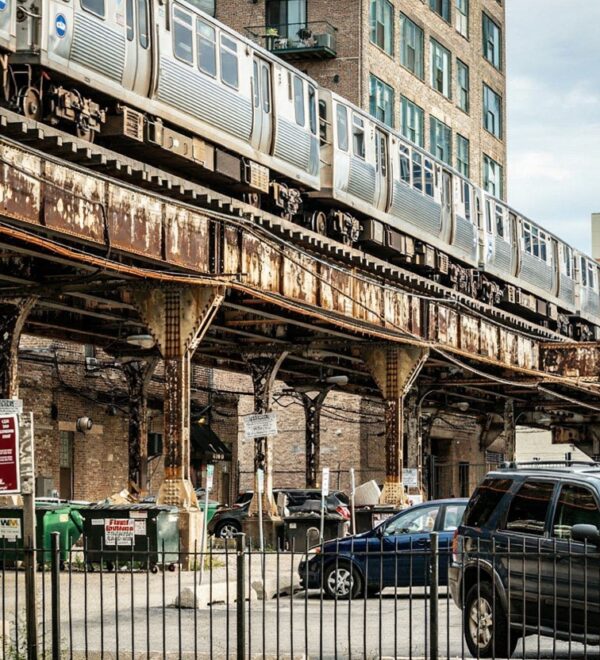
By L: Blue Line to Logan Square stop. 15–18 minutes from downtown Loop stations. From O’Hare: 30 minutes. $2.50 per ride or $5 day pass. Walk out of the station and you’re in the square. The restaurants are within a 10-minute walk in any direction.
From Wicker Park: Two stops further west on the Blue Line from Division or Damen. Or a 25-minute walk along Milwaukee Avenue — one of the better urban walks in Chicago, passing through the commercial strip that connects the two neighborhoods.
•RYAN’S PICK
Walk from Wicker Park to Logan Square along Milwaukee Avenue on a Saturday afternoon. Coffee at Wicker Park, walk northwest past the independent boutiques and the six-corner intersection, grab lunch somewhere along the way, arrive in Logan Square in time for the farmers market (Sundays) or just to walk the boulevard. This is the best free 90-minute Chicago walk that doesn’t involve Lake Michigan.
The Logan Square Food Scene: Why It Matters
Logan Square’s restaurant reputation was built by a generation of Chicago chefs who couldn’t afford River North real estate in the 2000s and 2010s and opened their restaurants here instead. That economic circumstance created a neighborhood with serious cooking at neighborhood prices — a combination that’s increasingly rare as Chicago gentrification has caught up with the city’s best restaurant addresses.
Lula Cafe: The anchor. Open since 1999, before Logan Square was known for anything except affordable rent. Lula Cafe does seasonal, vegetable-forward, ingredient-focused cooking in a format that’s genuinely casual — no white tablecloths, no tasting menus, just very good food that changes with what’s growing. The Monday night prix fixe (check the current format on their website) is one of the best value dinners in Chicago. 2537 N Kedzie Blvd. Book ahead on weekends.
Daisies: Joe Frillman’s pasta-focused restaurant opened in 2018 and became one of the consistently best reviewed in Chicago within its first year. House-made pasta, seasonal ingredients, a wine list that knows what it’s doing. Tock for reservations — they go fast. 2523 N Milwaukee Ave.
Wherewithal: Beverly Kim and Johnny Clark’s farm-to-table restaurant, focusing on whole-animal cooking and hyper-seasonal ingredients. The menu changes frequently enough that going twice gives you a meaningfully different meal. 2545 N Milwaukee Ave.
Longman & Eagle: The bar-restaurant hybrid that helped put Logan Square on the food map — whiskey bar, excellent bar food, and a full restaurant component. One of the city’s more acclaimed bourbon collections. The brunch gets crowded; the dinner is more accessible. Also has rooms upstairs if you want to stay in the neighborhood. 2657 N Kedzie Ave.
Giant: Jason Vincent’s loud, inventive, unpretentious restaurant — the kind of place where something unexpected comes out of the kitchen and it’s the best thing you’ve eaten all week. Reservations fill. 3209 W Armitage Ave.
The Logan Square Farmers Market
The Logan Square Farmers Market runs every Sunday from late May through October, in the square itself around the monument. It’s one of the better farmers markets in the city — genuine farm vendors rather than restaurant supply wholesalers masquerading as farmers, prepared food options, coffee from Logan Square-based roasters.
Worth arriving between 9am and 10:30am for the best selection and before the square fills. By noon on a summer Sunday it’s very crowded; the produce stalls have been picked over; the prepared food lines are long. Early arrival is the correct move.
What to buy: the seasonal vegetables are the point, but the pastry vendors and the coffee roasters doing market service are also excellent. Budget $10–20 for a market browse that doubles as breakfast.
Logan Square Arts Festival
The Logan Square Arts Festival runs in late June — 2026 edition is June 26–28. Three days of live music, art installations, local vendors, food, and the kind of neighborhood festival energy that Chicago does well when it’s not being staged for tourists. Free to attend; food and vendor purchases are where the spending happens.
This is genuinely one of the better Chicago neighborhood festivals on the calendar — the lineup has consistently included national touring acts alongside Chicago-based musicians. Worth timing a visit around if you’re flexible on dates.
Bars and Nightlife in Logan Square
Logan Square’s bar scene is less dense than Wicker Park’s but arguably more interesting per establishment.
Scofflaw: The serious gin bar — one of the best gin selections in Chicago, thoughtful cocktails, the kind of bar that attracts people who want their drinks made with actual intention. 3201 W Armitage Ave.
The Whistler: Art bar with rotating art shows, live music most nights, and a cocktail menu that takes the art program as seriously as the drinks. 2421 N Milwaukee Ave. Free shows most weeknights; modest cover on weekends when bigger acts play.
Revolution Brewing Brewpub: Chicago’s largest independent brewery has its taproom in Logan Square — 25+ beers on tap in a large, loud brewpub setting. The food is pub-solid; the beer is excellent. 2323 N Milwaukee Ave.
Happy hour timing: Same principle as Wicker Park — 4–7pm weekdays, $1–2 off drinks, considerably less crowded than the evening rush. The Logan Square restaurants and bars that do happy hour are worth the early dinner commitment.
Walking Logan Square: The Boulevard System
Logan Square’s most underappreciated asset is its parkway boulevard system — wide, tree-lined diagonal streets with planted medians that run through and around the neighborhood. The boulevards connect the square to the broader North Side and make Logan Square one of the more walkable Chicago neighborhoods for a morning or evening stroll.
The square itself (Logan Square Monument, at the intersection of Kedzie, Milwaukee, and Logan Boulevards) is a genuinely pleasant place to sit, especially in the late afternoon when the light is good and the Saturday market vendors are packing up. Not a tourist attraction — a neighborhood square. The difference is visible.
Comfort Station Logan Square (2579 N Milwaukee Ave) is a 1912 public building converted into a small arts venue — gallery space, occasional concerts, coffee shop. Worth knowing about if you want a quiet afternoon option.
Where to Stay in Logan Square
Accommodation options in Logan Square are limited compared to Wicker Park but exist.
Longman & Eagle (rooms above the restaurant): Six rooms above the restaurant and bar, decorated in a style that matches the establishment’s character — bourbon barrel vanities, original art, the general aesthetic of somewhere that doesn’t take itself too seriously but takes its execution seriously. Rates from approximately $150–200/night. Booking fills on weekends. The obvious appeal: walk downstairs for dinner; walk back upstairs when you’re done.
Wider area hotels: Mid-range hotels in the Logan Square area run $145–203/night at current rates. The neighbourhood’s proximity to the Blue Line makes it as fast to downtown as any Magnificent Mile hotel — you’re trading lobby amenities for neighbourhood character and price. For most leisure visitors, this is the right trade.
Seasonal pricing note: Logan Square hotel rates show unusual volatility — rates in December average very cheaply while March prices spike significantly. If you’re flexible on timing, December or January visits offer dramatically lower accommodation costs. The neighbourhood’s restaurants are open year-round.
Logan Square vs Wicker Park: Which One?
I’ve covered this in the Wicker Park guide but it bears repeating here with the Logan Square perspective:
Logan Square wins on: restaurant quality and ambition (Lula, Daisies, Wherewithal are all ahead of their Wicker Park equivalents), the farmers market, the boulevard walkability, and a slightly more local-feeling atmosphere with fewer people who are obviously on a weekend bar crawl.
Wicker Park wins on: nightlife density, music venue concentration (the Empty Bottle is genuinely exceptional), Milwaukee Avenue commercial strip energy, and the volume of options for a spontaneous evening out.
Right answer: if you’re spending a week in Chicago, base yourself in Wicker Park and take the Blue Line to Logan Square for at least two dinners. If you’re only there for three days, pick the one that matches your priorities and don’t second-guess it.
FAQ: Logan Square Chicago
- Is Logan Square worth visiting in Chicago?
- Yes — specifically for the food. Logan Square has a higher concentration of genuinely excellent, chef-driven restaurants than any other Chicago neighborhood outside the River North fine dining corridor, and at significantly lower prices. If you’re in Chicago for two or more days and care about eating well, Logan Square earns an evening. The farmers market (Sundays, late May–October) and the Arts Festival (late June) are additional reasons to time a visit.
- How far is Logan Square from downtown Chicago?
- 15–18 minutes on the Blue Line from the Loop. Blue Line to Logan Square stop, $2.50/ride. From O’Hare, the Blue Line runs directly to Logan Square in about 30 minutes — you could technically stop there before checking into your hotel downtown. The neighborhood is served by Logan Square Blue Line stop at the main square.
- What are the best restaurants in Logan Square?
- Lula Cafe (seasonal, farm-to-table, open since 1999 — book ahead), Daisies (house-made pasta, Tock reservations), Wherewithal (whole-animal cooking, farm-focused), Longman & Eagle (whiskey bar plus full restaurant), Giant (unpredictable, inventive). For drinks specifically: Scofflaw (gin bar), The Whistler (art bar with live music), Revolution Brewing taproom.
- What is Logan Square known for?
- Its restaurant scene — one of the best in Chicago — and the Sunday farmers market. Historically: a Scandinavian and later Puerto Rican neighborhood that gentrified in the 2000s when chefs priced out of River North opened restaurants here. The boulevard system (wide, tree-lined parkway streets) makes it more walkable than most Chicago neighborhoods. The Logan Square Arts Festival in late June is the annual neighborhood high point.
- Is Logan Square or Wicker Park better for visitors?
- For restaurants: Logan Square. For nightlife and Milwaukee Avenue energy: Wicker Park. Both are 10–15 minutes from downtown on the Blue Line and both are worth a visit. A first-time Chicago visitor should choose one to base themselves in and make a deliberate trip to the other. Wicker Park is marginally better as a base (more options for a spontaneous evening); Logan Square is better for a planned dinner out.
- Does Logan Square have good brunch?
- Yes — Lula Cafe’s weekend brunch is one of the most consistently praised in Chicago, with the same seasonal ingredient philosophy as the dinner menu. Expect a wait on Saturday and Sunday mornings. Longman & Eagle does brunch with the same bourbon-and-bar-food character as the evening. The farmers market on Sundays (late May–October) functions as a distributed outdoor brunch option with vendors, coffee, and pastries.
The Bottom Line on Logan Square
Logan Square earned its restaurant reputation because the chefs who opened here genuinely cooked well, and the neighbourhood has maintained that standard as it’s become more known. It’s not undiscovered — Lula Cafe has been covered in every serious Chicago food publication for twenty-five years — but it’s still legitimately less tourist-facing than River North and genuinely better for it.
Logan Square’s History: Why the Neighborhood Is What It Is
Understanding Logan Square requires a brief history, because the neighborhood’s character doesn’t make sense without it. Logan Square was built as a late-Victorian streetcar suburb — the boulevard system (Kedzie, Logan, Milwaukee, and Humboldt Boulevards all intersect here) is the legacy of Chicago’s 1893 World’s Fair-era planning, designed to make the neighborhoods west of the river feel park-adjacent and desirable.
The neighborhood’s immigrant history runs from Scandinavian (Norwegian and Swedish families in the late 19th and early 20th centuries — hence some of the architectural character) through Eastern European Jewish (1920s–1950s) to Puerto Rican and Mexican (from the 1960s onward, and still a significant presence in the neighborhood today). The gentrification wave that started in the 2000s layered the restaurant and arts scene onto this existing community — the current Logan Square is a complicated place, the subject of ongoing displacement conversations that the neighborhood’s own organizations take seriously.
What this history produces, practically, is a neighborhood that feels genuinely dense with character — older architecture, a cultural mix that isn’t manufactured, and the specific energy of a place that has been through multiple reinventions without losing its underlying structure.
Day Trip from Logan Square: Pilsen
If you’re in Logan Square and have an afternoon free, Pilsen is 30 minutes south by Blue Line and Pink Line and is the neighborhood most worth knowing about beyond the tourist corridor.
Pilsen is the city’s main Mexican-American neighborhood — the 18th Street mural corridor is one of the best concentrations of public art in any American city, and the National Museum of Mexican Art (free entry, suggested donation) is the most underrated museum in Chicago. The taquerías on 18th Street charge $10–16 for a full meal that matches or exceeds anything you’ll pay twice as much for elsewhere.
Practically: take the Blue Line to Western, transfer to the Pink Line south, ride to 18th Street. 25 minutes from Logan Square. Walk the mural corridor along 18th Street east from the station, end at the National Museum, eat dinner on the way back. That’s an excellent afternoon that most Logan Square visitors don’t take the extra 30 minutes to do.
Coffee in Logan Square
Logan Square has become one of Chicago’s better neighborhoods for coffee — not as dense as the third-wave concentration in some other cities, but a handful of genuinely good options.
Sawada Coffee: Two locations, one of which is in the West Loop, but the Logan Square proximity makes it worth mentioning. Matcha soft serve, specialty espresso, the aesthetic of a place that takes both the coffee and the design seriously.
Dark Matter Coffee (Multiple Locations): The Chicago independent roaster with a cult following — the Logan Square area has Dark Matter-served cafés. Strong, dark roast-forward, the kind of coffee that polarizes people cleanly. If you like your espresso aggressive, Dark Matter.
Neighborhood cafés: The streets around the Logan Square Blue Line stop have accumulated independent coffee shops in the same pattern as the restaurant scene — places that opened because Logan Square rents were manageable when more central locations weren’t. Most of them do good espresso, have reasonable hours, and are not on every Chicago coffee list. This is correct.
Getting Around Logan Square on Foot
Logan Square is more walkable than most Chicago neighborhoods for a specific reason: the boulevard system creates wide, park-adjacent streets that are pleasant to walk regardless of what’s along them. The triangle between Kedzie Boulevard, Logan Boulevard, and Milwaukee Avenue is about a 20-minute walk end to end — you can cover the neighborhood’s core without needing transit at all once you’ve arrived.
The Logan Square Monument is the obvious starting point — a 1917 Illinois Centennial memorial that serves as the neighborhood’s de facto center. From there: Milwaukee Avenue runs northwest toward Wicker Park (25 minutes on foot) and southeast toward the Ukrainian Village and eventually Wicker Park’s Division Street. Kedzie Boulevard runs north toward Humboldt Park and south toward the expressway. Logan Boulevard runs east toward the North Branch of the Chicago River.
The residential streets off the boulevards — Belden, Fullerton, Wrightwood — have the Victorian and early 20th-century housing stock that defines the neighborhood’s visual character. The architecture is not as dramatically Victorian as certain North Side neighborhoods, but the density of well-preserved greystone courtyard buildings and two-flats gives the side streets a specific Chicago-ness that’s worth exploring.
One of the underappreciated things about walking Logan Square is the density of front porches and stoops in the residential blocks. Chicago’s greystone two-flat buildings were designed with front porches because the city’s summer heat was unmanageable before air conditioning and the streets served as social space. In Logan Square, this architecture is well-preserved and the summer evening porch culture is still active — walking past residential blocks on a July evening, you see the city in a way that walking the Magnificent Mile never shows you. This is the Chicago that residents actually inhabit, and Logan Square is one of the better places to observe it.
Worth noting for visitors: Logan Square is genuinely large. The neighborhood’s boundaries extend well beyond the core square and boulevard area. If you’re walking with a specific restaurant or bar as your destination, check the address against the Logan Square Blue Line stop rather than just confirming “it’s in Logan Square” — some Logan Square addresses are a 20-minute walk from the station, which changes the calculus on a cold night. Chicago cold is not metaphorical — a January evening in Logan Square at -10°C with wind is the kind of cold that makes a 20-minute walk a meaningful commitment. Use Divvy bikes when it’s above freezing; use the L when it isn’t. The neighborhood is large enough that this matters.
Take the Blue Line to Logan Square. Eat at Daisies. Walk back along Milwaukee through Wicker Park. That’s a good Chicago evening. The city looks right from Milwaukee Avenue at 9pm, walking east, the L elevated above, the neighborhood bars lit up, and the Loop visible on the horizon. That’s the version of Chicago worth coming for.
For the full neighbourhood overview: Chicago Neighborhoods Guide. For Wicker Park specifically: Wicker Park Chicago: The Neighborhood Guide.
Logan Square: Tourist Traps to Skip
Logan Square has gotten popular enough that a few things have developed a reputation they haven’t fully earned. Worth knowing before you commit an evening to something that could be better spent elsewhere.
The Farmers Market isn’t worth an Uber specifically for it. If you’re already in Logan Square on a Sunday morning, yes, go. If you’re considering a $15 rideshare from downtown specifically to attend it, redirect that energy to the Green City Market in Lincoln Park, which has a stronger farm vendor selection and is easier to reach by Red Line. The Logan Square market is excellent for people who live in the neighborhood. It’s good-not-great as a standalone destination for visitors.
Not everything on Milwaukee Avenue is excellent. The strip between Logan Square Blue Line and the Wicker Park boundary has accumulated enough bars and restaurants that quality variance is significant. The places in this guide earned their listings. Other spots on the strip are trading on Logan Square’s reputation without necessarily deserving it. Check recent reviews before you commit a Saturday night dinner reservation to something off the main list.
Weekend brunch lines at the big names are real. Lula Cafe’s Saturday brunch wait can hit 45–60 minutes without a reservation. Longman & Eagle doesn’t take brunch reservations. If your visit is specifically Sunday brunch in Logan Square, either book ahead where possible or plan to arrive before 9am, which turns a potential frustration into a pleasant early-morning walk through the boulevard system before the neighborhood wakes up.
Where to Stay Near Logan Square
The accommodation options within Logan Square are limited, but the neighborhood’s Blue Line access makes a wider radius workable.
Within Logan Square: Longman & Eagle (2657 N Kedzie Ave) has six rooms above the restaurant for $150–200/night. This is the right choice if you want to be inside the neighborhood’s best institution. The rooms book out on weekends — reserve at least two to three weeks ahead for a Saturday night stay. The obvious selling point: walk downstairs for dinner, walk back up when you’re done. The obvious downside: the bar noise on Friday and Saturday carries upstairs until 1am. This is either a feature or a bug depending on your preferences.
Wicker Park (Blue Line, five minutes): The Wicker Park Inn at $149–245/night is the closest quality hotel option with actual neighborhood character. Five minutes on the Blue Line from Wicker Park’s Division stop to Logan Square, or a 25-minute walk along Milwaukee Avenue. If Logan Square is your primary destination but you want more accommodation options, basing in Wicker Park and taking the Blue Line one stop is a practical solution.
Budget option: Airbnb private rooms in Logan Square run $85–120/night; full apartments $140–200/night. The neighborhood has enough residential density that options are usually available, with the caveat that summer weekends and festival dates (Logan Square Arts Festival in late June specifically) fill quickly. Book at least two weeks ahead for June and July.
Getting Around Logan Square Without Getting Lost
Logan Square’s layout confuses visitors in one specific way: the neighborhood is larger than it looks on a map, and “Logan Square” as an address covers a lot of ground beyond the central square and Milwaukee Avenue strip.
The restaurants and bars in this guide are all within a 10–15 minute walk of the Logan Square Blue Line stop. Lula Cafe, Daisies, and Wherewithal are clustered on a two-block stretch of Milwaukee and Kedzie north of the station. Revolution Brewing and Giant are slightly further north on Armitage. The farmers market is in the square itself, a 3-minute walk from the station exit.
Things labeled “Logan Square” on Google Maps that are actually a longer walk: some addresses on Fullerton, on Armitage west of Western Avenue, and the residential blocks south of Armitage can be 20–25 minutes from the station. In summer this is fine. In January this is a meaningful difference. Check the address against the station before you leave.
For getting from Logan Square to other neighborhoods without going downtown first: the 56 Milwaukee bus runs the length of Milwaukee Avenue from Logan Square to Wicker Park to Ukrainian Village without touching the Loop. It’s slower than the Blue Line but useful for the specific Wicker Park→Logan Square connection when you don’t want to transfer downtown.