Andersonville, Chicago: A Neighborhood Guide From Someone Who Actually Goes There
Updated June 2026 — Andersonville neighborhood guide covering Clark Street, Ann Sather cinnamon rolls, Hopleaf bar, Kopi Café, and the LGBTQ+ scene in Chicago. By Ryan Kowalski, 9 years in Chicago. All hours and prices verified June 2026.
Andersonville sits about 7 miles north of the Loop on Clark Street, between Foster and Bryn Mawr avenues. The Red Line gets you there — Berwyn stop, or Bryn Mawr if you’re coming from downtown and want to walk the commercial strip south. From the Loop, it’s 25–30 minutes. From Wicker Park, you’re looking at 40 minutes or a $15–18 Uber. The neighborhood is worth the trip from anywhere in the city.
What Andersonville Actually Is
Andersonville was a Swedish immigrant neighborhood from the late 19th century through the mid-20th. Most of the Swedish community moved to the suburbs by the 1970s. The Swedish American Museum is still there on Clark Street and the annual Midsommarfest street festival still happens in June, but the neighborhood’s current character is shaped as much by its LGBTQ+ community — which moved in largely in the 1970s and 1980s — as by its Scandinavian history.
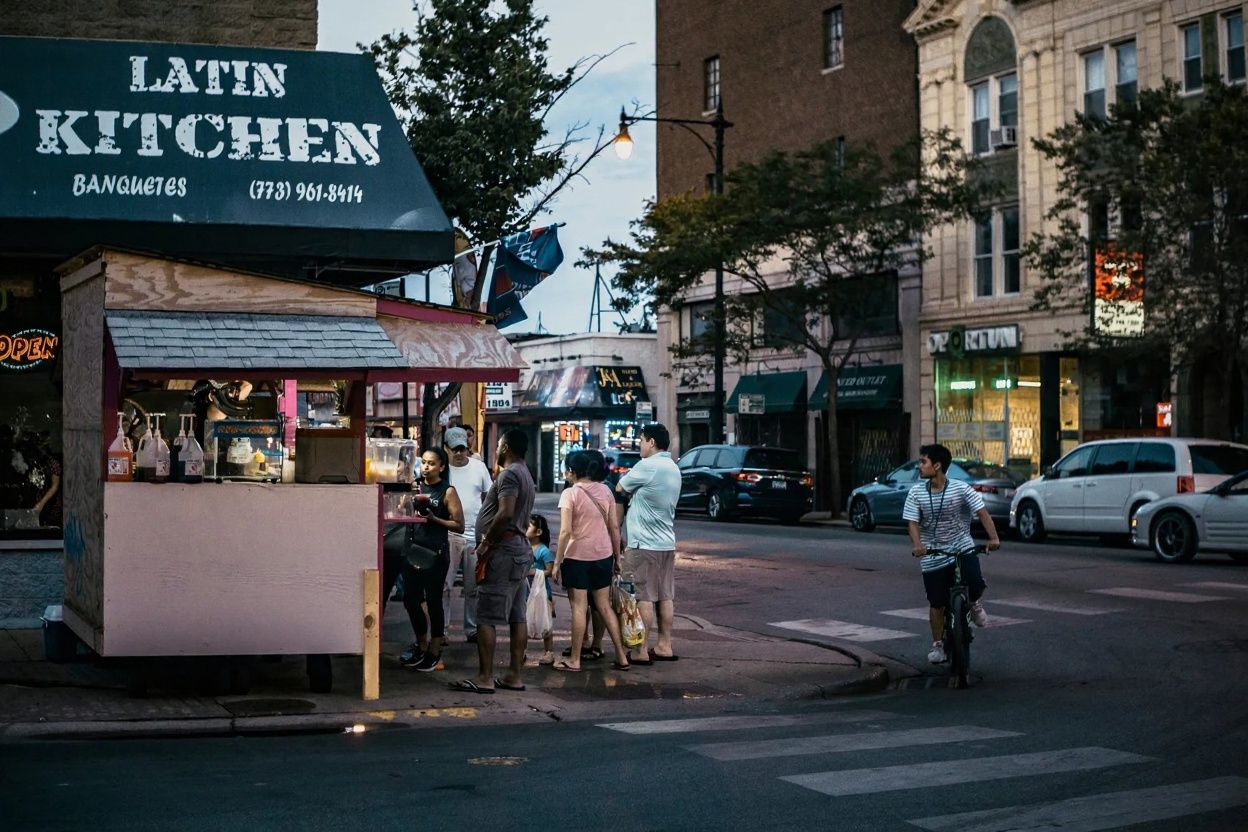
The practical result: Andersonville is a genuinely diverse neighborhood with good food (Swedish, Ethiopian, Persian, Vietnamese, standard American brunch spots), a strong coffee culture, independent bookshops, and a bar scene that’s a mix of LGBTQ+ bars, Belgian beer bars, and dive bars that have been there since before most visitors were born.
It’s also — and this is the thing that most Chicago neighborhood guides miss — a neighborhood that hasn’t been fully homogenized by the same wave of renovation and chain-store replacement that’s happened in River North and Wicker Park. The commercial strip on Clark Street has independent businesses that have been operating for 10, 20, 30+ years. That’s rarer than it should be in a city this size.
Ryan’s honest take: Andersonville is one of the neighborhoods I actually take visiting friends to when I want to show them what Chicago feels like to live in rather than visit. It’s not the prettiest neighborhood and it’s not the trendiest. It’s just good — good food, good bars, good people, no one trying to perform authenticity at you.
Getting to Andersonville
Take the Red Line to Berwyn (5000 N Clark) or Bryn Mawr (5600 N Clark). From downtown (Loop stations), the Red Line runs every 3–10 minutes depending on time of day; the ride to Berwyn is about 25 minutes. Fare: $2.50 per ride on a Ventra card.
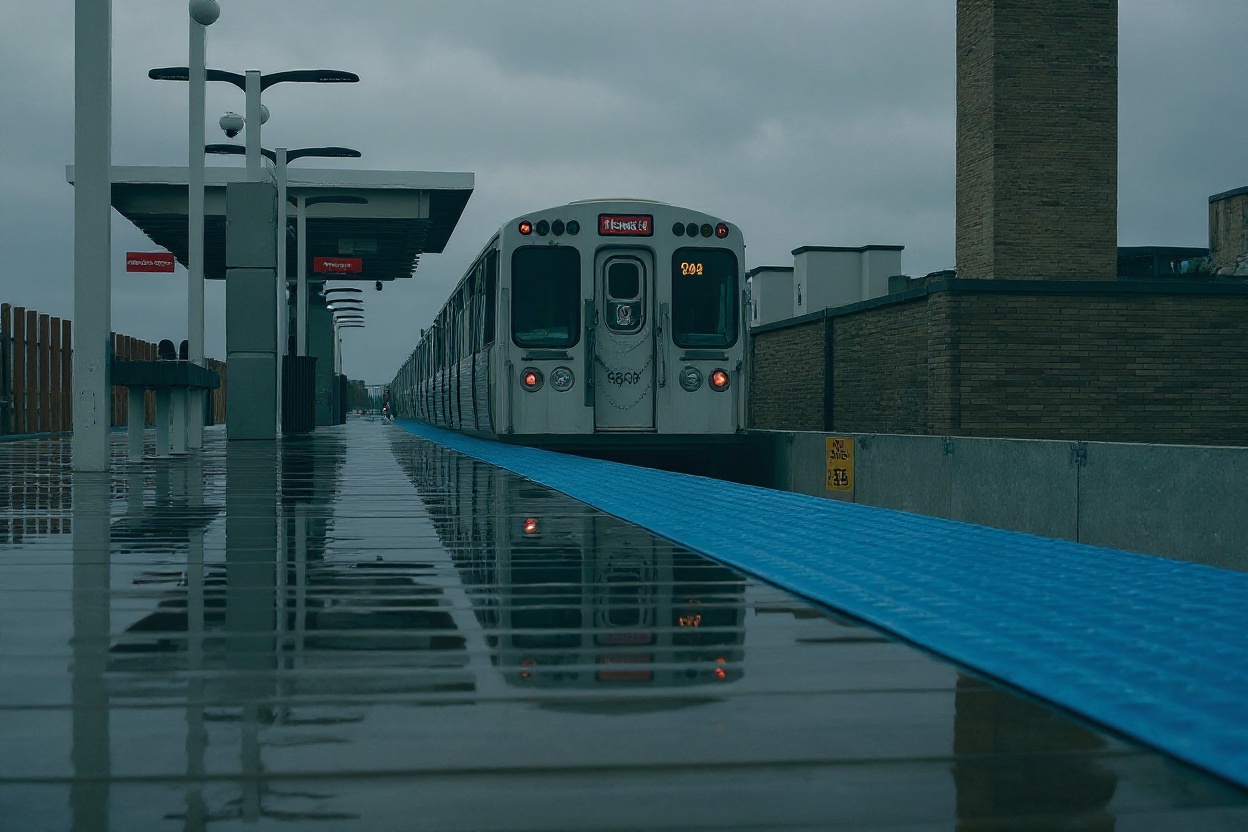
If you’re coming from Wicker Park or Logan Square (Blue Line neighborhoods), you’ll need to transfer — either at Clark/Lake or go downtown first. The Uber is often easier for a cross-city trip and costs $15–20 depending on time of day. Coming from Lincoln Park or Lakeview? Walk or bike — it’s a straight shot up Clark Street.
Parking exists but is annoying on weekends. If you’re driving from the suburbs or coming specifically for dinner, the residential streets a block or two off Clark (Wayne, Paulina, Magnolia) usually have spots available before 6pm. After 6pm on a Friday or Saturday, just take the train.
| Andersonville Quick Facts | |
|---|---|
| L stop | Red Line → Berwyn (5000 N Clark) or Bryn Mawr |
| From the Loop | 25–30 min on the Red Line ($2.50 Ventra) |
| Main strip | Clark Street between Foster Ave and Bryn Mawr Ave |
| Best bar | Hopleaf — 5148 N Clark, Belgian beer + food, no reservations |
| Cinnamon rolls | Ann Sather — 5207 N Clark, open daily from 7am |
| Best café | Kopi Café — 5317 N Clark, been there since 1993 |
| Museum | Swedish American Museum — 5211 N Clark, $4 entry |
| Annual event | Midsommarfest — usually second weekend in June, free |
Ann Sather: The Cinnamon Roll Situation
Ann Sather has been on Clark Street since 1945. The original Ann Sather was a Swedish immigrant who opened the restaurant and eventually sold it to Tom Tunney, who has run it since 1981 (he’s also the 44th Ward alderman). The cinnamon rolls are served with every meal and have been for decades.
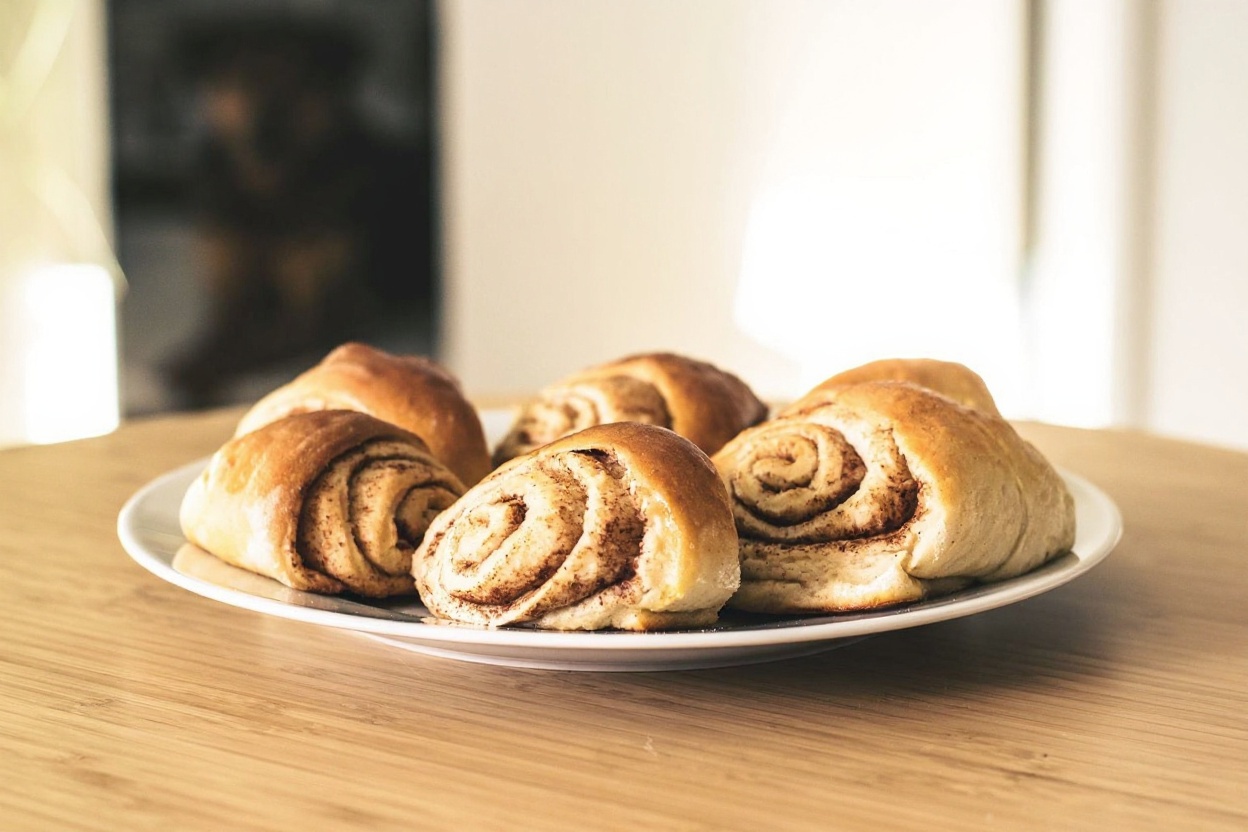
Here’s the thing: they’re genuinely very good. Soft, oversized, glazed, slightly warm. They come two to a plate with breakfast and lunch orders and they are the reason the restaurant still has a line on weekend mornings. Expect a 20–30 minute wait on Saturday and Sunday from 9am–1pm. The wait is worth it. Go on a weekday morning if you want to sit down immediately.
The rest of the menu is Swedish-American diner food — Swedish pancakes with lingonberries, eggs in various configurations, biscuits and gravy, Swedish meatballs at lunch. Prices: breakfast $12–18 per person before drinks. Cash and card both fine.
Hours: open daily from 7am. The Andersonville location on Clark is the original; there’s also a smaller location in Lakeview on Belmont, but the Clark Street one is the right choice if you’re coming to the neighborhood.
Hopleaf: The Best Bar in Andersonville
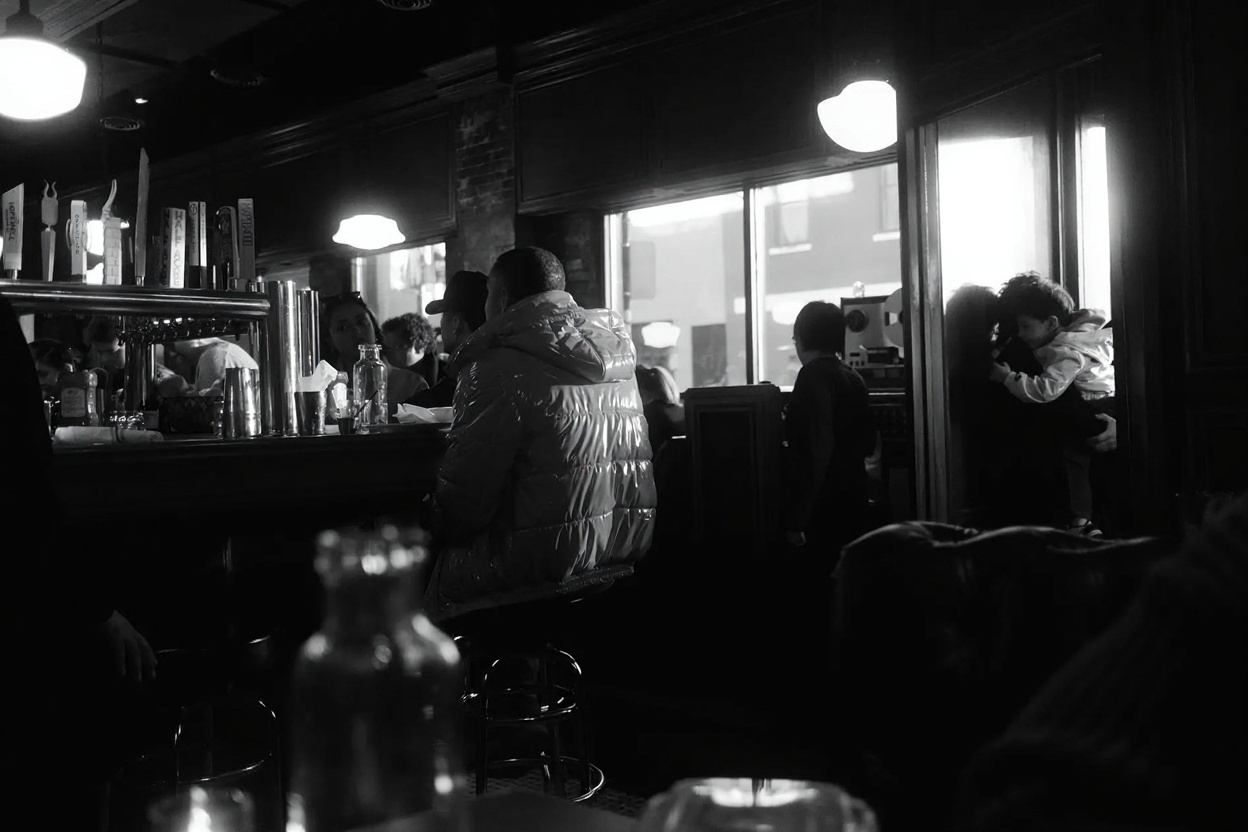
Hopleaf opened on Clark Street in 1992 and has been making the case for Belgian beer ever since. The tap list runs 50+ beers with a heavy focus on Belgian and Belgian-style ales — Duvel, Westmalle, Kwak, a rotating selection of American craft breweries making similar styles. The back bar has a full kitchen that does one of the best mussels-and-frites in the city, plus a grilled cheese with Gruyère that I have ordered approximately every time I’ve been there.
Prices: beer $7–16 depending on what you’re ordering (the good stuff isn’t cheap). Food $14–24 for mains. The mussels are $18 for a full pot and worth every cent.
The space: the front bar area is the older, smaller room with the tap wall and booths. The back restaurant section has table service and the full menu. You can eat in both. No reservations — it’s a bar. Arrive before 6:30pm on a Friday if you want to get a table without waiting 45 minutes. Worth noting: they’re cash-preferred but cards work.
Hours: open daily from 3pm. Don’t show up at noon expecting lunch — it’s not that kind of place. Do show up at 3:30pm on a Thursday when the afternoon light is good and the bar is half-empty and order something dark Belgian and the grilled cheese. That’s the correct way to experience Hopleaf.
The LGBTQ+ Scene
Andersonville has been a centre of Chicago’s LGBTQ+ community for 40+ years. The bars, restaurants, and general character of the neighborhood reflect this in ways that don’t feel performative — it’s just a neighborhood where queer people live and have lived for a long time, and the businesses reflect that.

The Closet (5325 N Broadway) — a small lesbian bar that’s been there since 1975. One of the oldest continuously operating lesbian bars in the country. No frills, cheap drinks ($5–8 most things), strong neighbourhood regulars energy. Takes its name literally — it’s tiny. Open daily from 2pm.
Replay Andersonville (5358 N Clark) — bar with arcade games, $5–9 drinks, the kind of place that’s genuinely fun rather than trying to be. Mixed crowd, relaxed atmosphere. The ski-ball machines are always in use.
Beyond the specifically LGBTQ+ bars, the neighborhood’s general atmosphere is visibly welcoming — Pride flags year-round on businesses and residences, Midsommarfest has a significant queer presence alongside the Swedish heritage angle, and the overall street culture is inclusive in the way that comfortable, long-established communities tend to be rather than the self-conscious way of newer neighborhoods trying to signal something.
Coffee and Cafés
Kopi Café (5317 N Clark) has been in Andersonville since 1993 — a traveler’s café with Persian rugs on the floors, bookshelves of travel writing, and a genuine commitment to being a place where people sit for two hours with a coffee and a book rather than getting their order and leaving. Coffee $3–6, food $8–14 for light breakfast and lunch items. One of the few Chicago coffee shops with genuine character rather than a carefully designed aesthetic. Wi-Fi available, but the vibe is “read a book” not “open your laptop and take a Zoom call.”
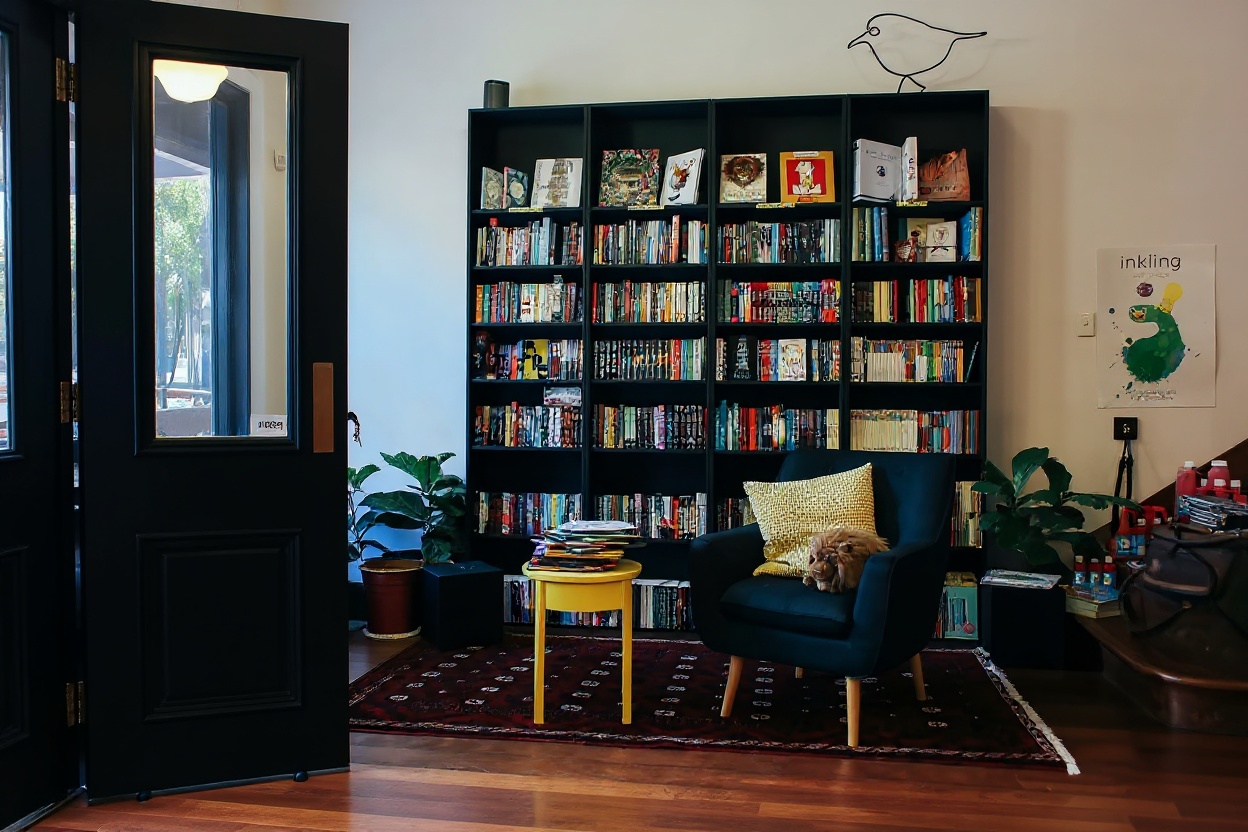
Gaslight Coffee Roasters (2385 N Milwaukee in Logan Square, not technically Andersonville but worth knowing as the source of some of the best espresso on the North Side) — if you’re a coffee person who also wants to visit Logan Square, the roastery is 20 minutes southwest. In Andersonville itself, Kopi is the landmark; there are also a few newer third-wave spots that have opened in the last 5 years on Clark and on Berwyn that are solid without being distinctive.
Food Beyond Ann Sather
Reza’s Restaurant (5255 N Clark) — Persian food, been in Andersonville for decades. Large menu, reasonable prices ($14–22 for mains), and the kind of place where you can bring a table of 8 without stressing about reservations. Lamb shank and ghormeh sabzi are both reliably good. Open for lunch and dinner daily.
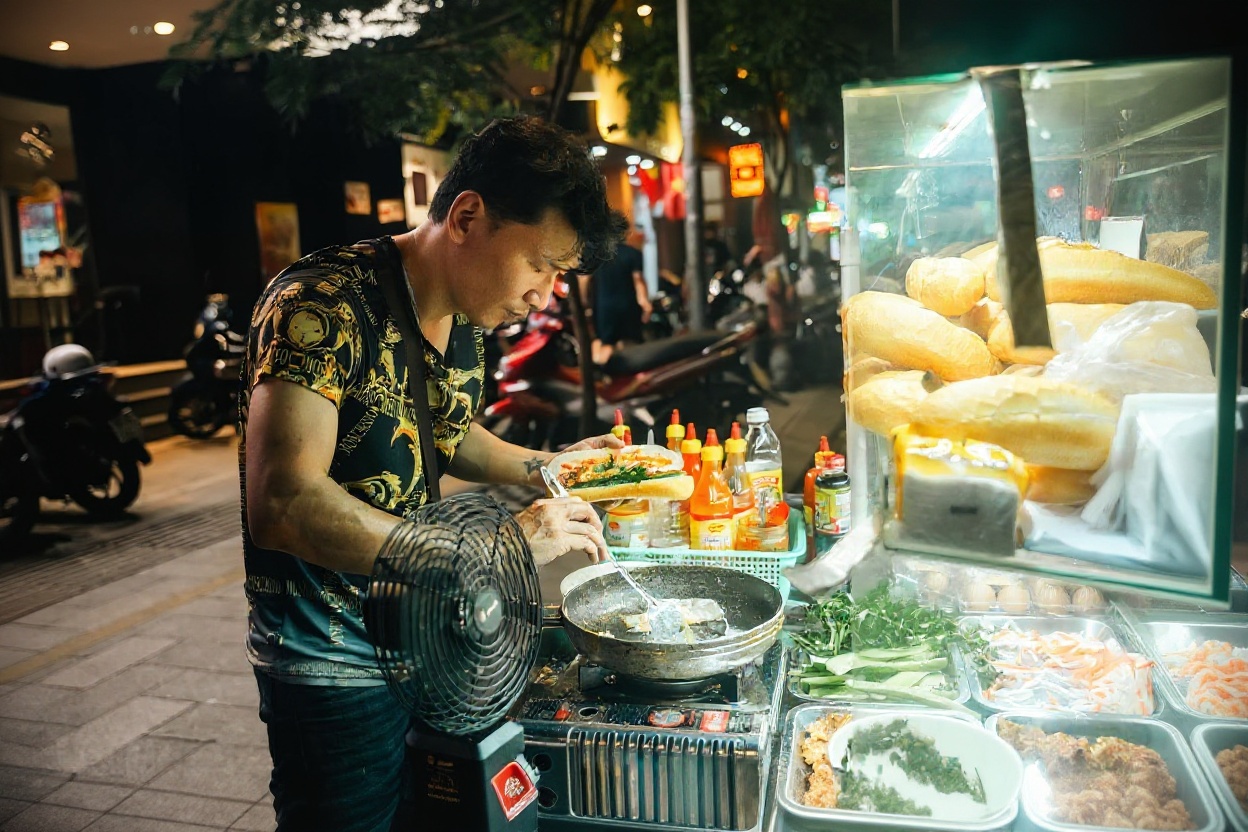
Demera Ethiopian (4801 N Broadway, one block from the main Clark strip) — a proper Ethiopian restaurant with a full injera-and-stew setup. $14–18 for individual plates, $28–40 for combination platters that work well for 2–3 people sharing. Consistently the most recommended restaurant in Andersonville among people who live in the neighborhood.
Hamburger Mary’s (5400 N Clark) — a LGBTQ+ bar and restaurant that does drag brunches on weekends. The drag brunch specifically ($40–50 per person with food and a drink or two) books out weeks in advance; if you want to go, check the website ahead of time and book early. The food is a solid burger-and-brunch menu, not the main event — the event is the show.
Simon’s Tavern (5210 N Clark) — a Swedish-themed bar that’s been there since 1934. The glogg (mulled wine) in winter is the specific reason to go; the bar itself is a genuine dive with a good jukebox. Not a restaurant — a bar that’s been in the same building for 90 years. Worth a stop if you’re doing the neighborhood at night.
Shopping in Andersonville
Andersonville’s retail character is one of the things that makes it worth coming to for an afternoon rather than just a meal. The Clark Street strip has a concentration of independent shops that have survived multiple decades — a rarity on Chicago’s commercial corridors.
Women & Children First (5233 N Clark) — a feminist bookshop that’s been in Andersonville since 1979. The selection is well-curated, the staff know the inventory, and the events calendar (author readings, community events) is consistently better than the major chain bookshops. Worth browsing even if you weren’t planning to buy something. They usually stock good local Chicago fiction and non-fiction alongside the national titles.
Milk Handmade (5137 N Clark) — children’s clothing and baby gifts that spills into adult accessories and small home goods. The kind of shop that solves the problem of finding a gift that isn’t generic. Prices lean toward mid-range premium ($20–60 for most things) but the quality justifies it.
Andersonville Galleria (5247 N Clark) — an antique and vintage co-op spread across two floors of a building that’s been housing independent sellers for years. Worth spending 30–45 minutes in if you like vintage housewares, art prints, and the occasional piece of mid-century furniture you couldn’t possibly ship home. Prices vary enormously by vendor. Open daily from 11am.
The Swedish American Museum’s shop (5211 N Clark) also deserves a mention separately from the museum itself — the Scandinavian design goods (wooden kitchen tools, textiles, design books) are priced reasonably and make better gifts than the tourist-grade lingonberry preserves if you’re looking for something to bring home.
Seasonal Andersonville: When to Visit
Andersonville works in all four seasons, but the experience changes significantly by time of year.
Summer (June–August): Midsommarfest usually happens the second weekend of June and is the neighbourhood at its most festive — street festival, Swedish food, live music, genuinely fun. July and August, Montrose Beach (10 minutes east by bike or a short drive) is one of the better Chicago beaches — less crowded than Oak Street Beach, has a dog-friendly section, and the harbour view is underrated. Clark Street in summer is pleasant for evening bar-hopping because the neighbourhood has enough pedestrian density to feel alive without being Wrigleyville-level overwhelming.
Autumn (September–October): The best time to be in Andersonville. Summer crowds down, weather still good (60–75°F in September), and the café and bar scene is at its best. Hopleaf in October with something dark and Belgian is peak Andersonville.
Winter (November–March): Simon’s Tavern does glogg (Swedish mulled wine) from November through March. This alone is a reason to visit in winter. The neighbourhood is quiet, the shops have foot traffic without being busy, and Ann Sather without a weekend brunch wait is underappreciated.
Spring (April–May): Clark Street starts to come alive again. The Midsommarfest preparation starts in late May. Good time to visit before summer crowds arrive.
The Swedish American Museum
Small, well-curated, and genuinely interesting if you want context for why this neighborhood is the way it is. The museum covers the history of Swedish immigration to Chicago, the early settlement of what became Andersonville, and the cultural traditions that persisted through the 20th century. Entry: $4 adults / $3 seniors and students / kids free.
The building also houses a Swedish gift shop that sells the usual lingonberry preserves and Dala horses alongside some genuinely useful Scandinavian design objects (the wooden kitchen tools in particular are worth looking at). Hours: Tuesday–Friday 10am–4pm, weekends 11am–4pm. Allow 45–60 minutes for the full museum.
What Ryan Got Wrong About Andersonville
I had three sets of friends visiting over two summers and I pointed all of them toward a cocktail bar on Clark Street that I’d been going to for a couple of years. Good drinks, small room, the kind of place that feels like a neighbourhood find.
Two of the three groups showed up to find it had closed — in one case three months earlier, in another case six months earlier. I hadn’t been by recently enough to notice it was gone. The third group went and had a great time, which made it worse somehow.
The lesson: always check hours and whether a place is still open before you send someone there, especially for anything that opened post-2020. Andersonville has a good track record of independent businesses surviving, but it’s not immune to closures. Hopleaf, Ann Sather, Reza’s, Kopi, Simon’s — these places have been around long enough that they’ll be there. Newer spots, check before you go. Yelp and Google Maps hours are usually accurate; the restaurant’s own Instagram is usually more current than either. I check Instagram first now, every time, before I send anyone anywhere. Two years of learning this the slow way.
- Is Andersonville safe?
- Yes — it’s a quiet, residential North Side neighborhood. The Clark Street commercial strip has foot traffic until midnight or later on weekends. Standard Chicago city awareness applies (don’t leave things visible in a parked car, be aware of your surroundings after 1am in less lit areas), but Andersonville is among the lower-crime neighborhoods in the city. The LGBTQ+ community has been here long enough that the neighborhood is genuinely inclusive rather than just claiming to be.
- When is Midsommarfest?
- Usually the second weekend of June — exact dates vary by year. It’s a street festival on Clark Street that closes the commercial strip to traffic for two days, with Swedish food vendors, live music, and a significant neighborhood party atmosphere. Free to attend. Sponsored by the Swedish American Museum and one of the genuinely good Chicago neighborhood street festivals rather than a generic beer-and-brats setup. Check Eventsetter Chicago or the Swedish American Museum website for the current year’s dates.
- How long should I spend in Andersonville?
- Half a day is right for a visitor. A Saturday morning: Red Line to Berwyn, Ann Sather for breakfast (cinnamon rolls, obviously), walk the Clark Street strip south from Foster to Bryn Mawr, Swedish American Museum, lunch at Reza’s or Demera. If you’re staying into the evening, Hopleaf opens at 3pm and that’s your move. Full day if you’re combining it with a walk up to Edgewater or a trip to the lakefront (Montrose Beach is 10 minutes away, a genuinely good Chicago beach with less tourist density than Oak Street Beach).
- What’s Andersonville’s vibe compared to other North Side neighborhoods?
- More residential and lived-in than Wrigleyville (which is fun but dominated by the Cubs game traffic). Quieter and less bar-heavy than Wicker Park. More diverse than Lincoln Park. Andersonville has a strong neighborhood-as-community feeling that you don’t get in the more touristy parts of the North Side — people know the business owners, the business owners know their customers, the coffee shops have regulars. It doesn’t perform neighbourliness; it just is.
- Are there good stores in Andersonville?
- Yes — and this is underrated. Women & Children First (5233 N Clark) is one of the best feminist bookshops in the country, has been in Andersonville since 1979, and is genuinely worth browsing even if you weren’t planning to buy a book. Milk Handmade (5137 N Clark) does children’s clothing that spills into adult accessories. A number of antique and vintage shops cluster on Clark between Balmoral and Foster. The general retail character is “independent shops you’d actually buy something in” rather than “chain stores that happen to be in a neighborhood.”
Andersonville + Nearby: How to Combine the Neighborhood with a Full North Side Day
Andersonville is well-positioned to anchor a full North Side day that covers two or three neighborhoods without backtracking. Here are the combinations that work best:
Andersonville + Wrigleyville: Both are on the Red Line, about 10 minutes apart (Berwyn to Addison). Start in Andersonville for breakfast at Ann Sather (7am opening means you can be done by 8:30am), walk Clark Street south, Red Line south to Addison for Wrigleyville. If there’s a day game, you’ve timed yourself into a morning neighborhood + afternoon baseball day that costs about $12 in transit and food before the baseball ticket. If there’s no game, the Wrigley Field neighborhood is pleasant in the morning when it’s not in game-day mode.
Andersonville + Lincoln Park: Red Line from Berwyn south to Fullerton. 10 minutes. The obvious combination: Andersonville breakfast, Lincoln Park Zoo and the Conservatory in the afternoon, Pequod’s for dinner (back north from Fullerton on the Red Line to Addison, then Clybourn). This covers three of the best free things in Chicago’s North Side (Ann Sather cinnamon rolls, zoo, Conservatory) plus the best deep dish in a single day without touching downtown.
Andersonville + lakefront: Montrose Beach is a 10-minute bike ride or a short bus ride east from Andersonville. The Divvy station on Berwyn Avenue, a block from the Red Line stop, connects to the lakefront path at Montrose Harbor. In summer this makes Andersonville a natural base for a morning neighborhood visit followed by an afternoon on the lake — less crowded than Oak Street Beach or North Avenue Beach, dog-friendly section, good beach volleyball.
Worth knowing if you’re doing Andersonville on a budget: The neighborhood’s free attractions are substantial. The Swedish American Museum is $4 (not free, but close). Women & Children First has free events most months. The mural under the Berwyn Red Line station (a community art installation on the station pillars) is worth 10 minutes of looking. The neighborhood itself is the main attraction — a 90-minute walk from Foster Avenue south to Berwyn Avenue and back, stopping at coffee shops and bookshops along the way, costs $4–6 for a coffee and nothing else if you’re watching the budget.
That’s Andersonville. Red Line to Berwyn, cinnamon roll at Ann Sather, afternoon at Hopleaf. The Women & Children First bookshop is on the same block as Ann Sather — go in after breakfast. Everything else fits around those three anchors. Questions in the comments — I check them.