Last updated: June 2026 — neighborhood information current as of June 2026.
Most visitors to Chicago spend their time on the Magnificent Mile and around Navy Pier and leave thinking they’ve seen the city. They’ve seen the part of Chicago built for people passing through. The actual city — the neighborhoods, the diners, the bars without signs, the murals in alleys — is everywhere else. This guide covers where to actually go.
I’ve lived in Wicker Park for nine years. I know which diner has been there since 1962, which bar has the karaoke that doesn’t make you want to leave immediately, and which L stop is the one you want. This is the guide I give visiting friends instead of making them Google things.
How Chicago’s Neighborhoods Work
Chicago is a city of distinct neighborhoods, and the differences between them are real. Wicker Park and Logan Square are separated by a mile and a half and feel like different cities. Understanding the geography before you go saves a lot of confusion.
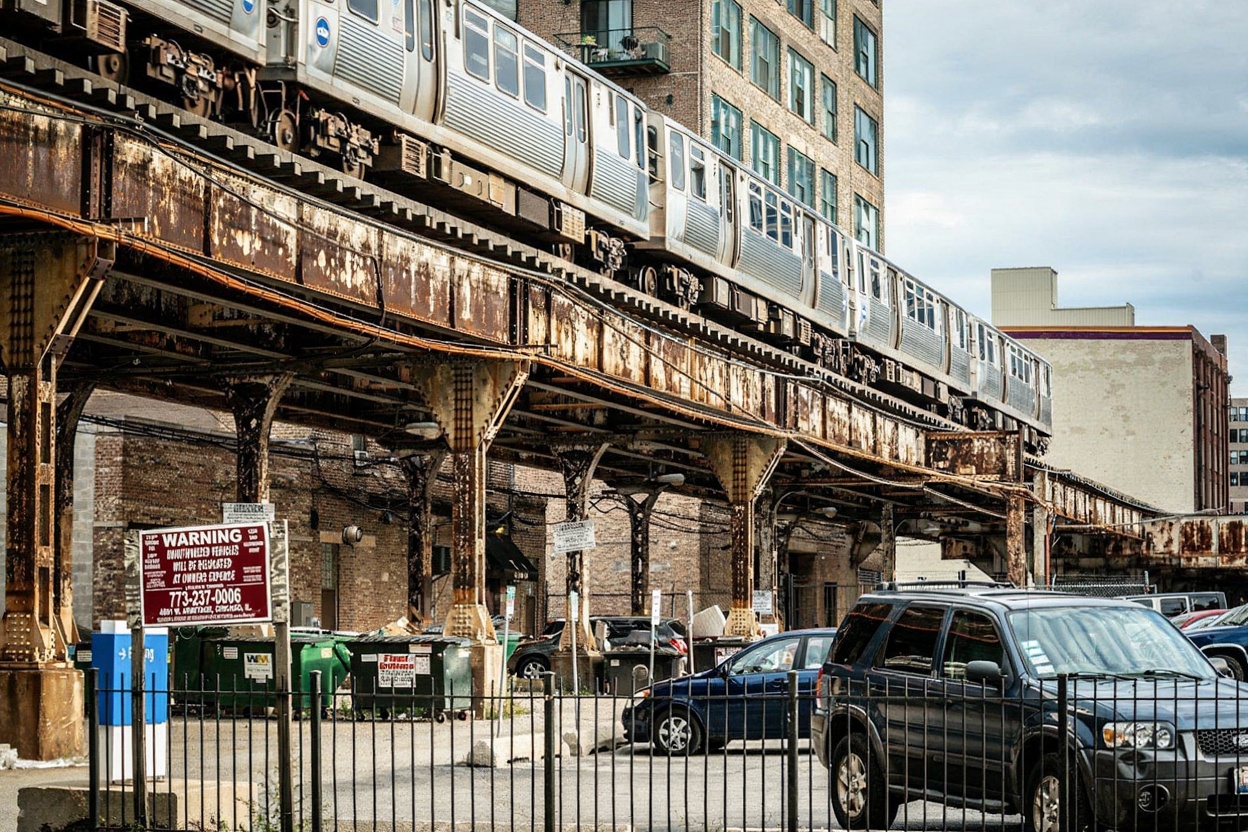
The L train is your friend. The CTA elevated rail runs through or near almost everything on this list. A single ride is $2.50. A day pass is $10. It runs all night. DO NOT take an Uber from your hotel to Wicker Park at 7pm on a Friday — the traffic on the Kennedy is genuinely unpleasant and you’ll pay $35 for a trip the Blue Line does in 12 minutes.
A rough geography:
– Northwest side: Wicker Park, Logan Square, Bucktown, Humboldt Park — Blue Line
– North side: Lincoln Park, Lakeview, Wrigleyville, Andersonville, Lincoln Square — Red and Brown Lines
– West side / Near South: Pilsen, Little Italy, Bridgeport — Orange Line or bus
– South side: Hyde Park, Bronzeville — Red Line and Metra Electric
– Downtown / Tourist zone: The Loop, River North, Magnificent Mile, Navy Pier — everything runs through here, but this is not where the city lives
Wicker Park — Where the City Actually Is
Wicker Park is where I live, which obviously makes me biased — but I moved here because it’s the right neighborhood. Dense, walkable, has everything within 10 minutes on foot, and the Damen Blue Line stop puts you downtown in 15.
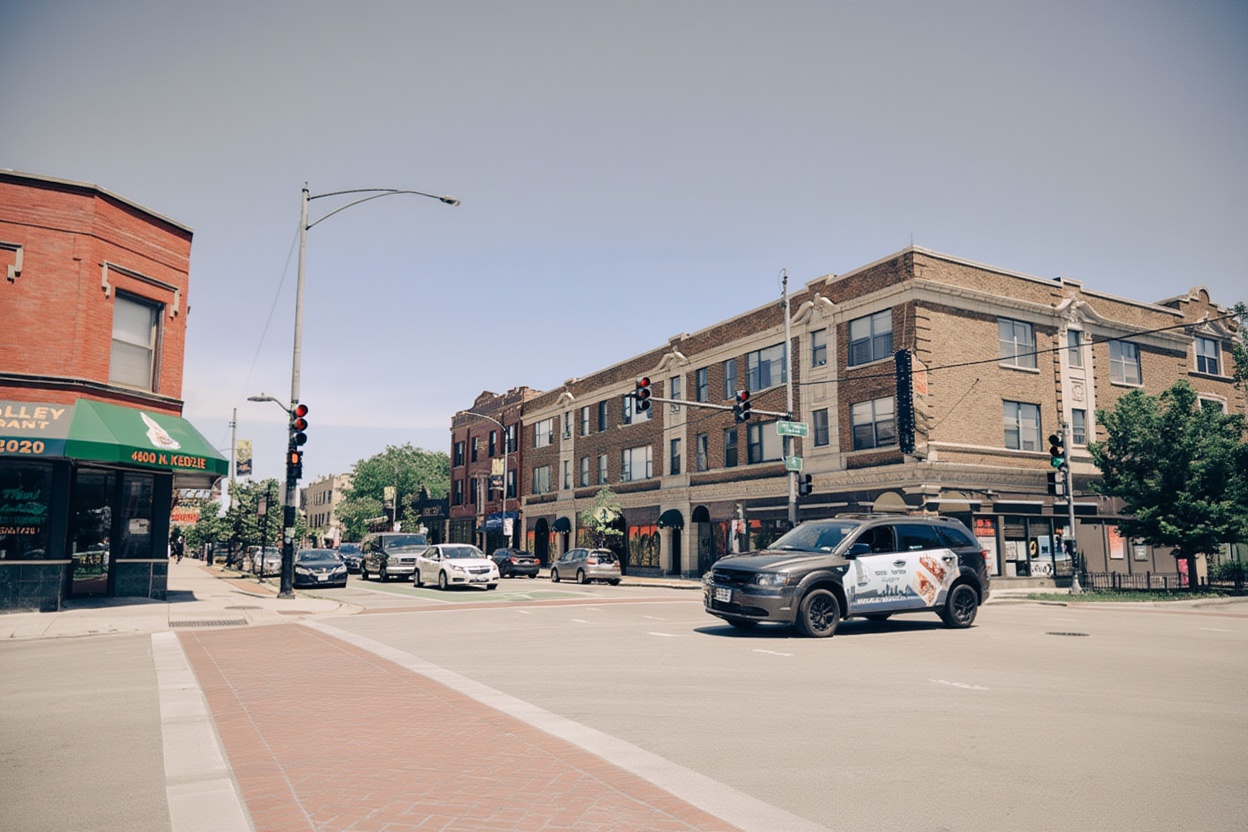
The neighborhood runs along Milwaukee Avenue and Damen Avenue. It’s been through its gentrification arc and come out the other side with a mix of long-running local businesses and newer spots. The 2000s-era “hipster” reputation has faded into something more settled and diverse.
What to do here:
– The Flat Iron Building (Milwaukee/North/Damen intersection): the three-way intersection is the de facto center. The building has local shops, galleries, and the kind of foot traffic that makes a neighborhood feel alive.
– Myopic Books on W. North Ave: three floors of used books, browsable without any agenda. I’ve spent hours here. The staff have opinions.
– The 606 Trail: the elevated rail trail that runs from Wicker Park to Humboldt Park. 2.7 miles. Good for a morning run or a bike ride. Rent bikes from the Divvy station at Damen and Milwaukee.
– Café Mustache: coffee shop that doubles as a bar after 4pm. The kind of place that just works.
•Ryan’s Honest Take
Wicker Park gets called “touristy” by people who live in Logan Square. It’s not touristy — it’s just functional and well-located. The restaurants are good, the bars are good, and the Blue Line access is unbeatable. If you’re visiting for a week and want one base for the whole trip, this is it.
Logan Square — The Neighborhood That Replaced Wicker Park
Every city has the neighborhood that used to be Wicker Park. In Chicago, it’s Logan Square — the place where chefs who couldn’t afford Wicker Park opened restaurants, and where the bars got more interesting as the rents stayed cheaper.
Logan Square is centered on the Logan Square monument (an actual square with an Illinois Centennial Monument in the middle of it) and runs along Milwaukee Avenue north of the Blue Line station.
What to do here:
– The Logan Square Farmers Market: Sunday mornings from May to October. The farmers market in Chicago’s neighborhood — not the touristy one at Navy Pier, the actual one where Logan Square residents do their weekend shopping. Pastries from Floriole, vegetables from local farms, tamales, the whole thing.
– Longman & Eagle: the bar and restaurant that defines the neighborhood. James Beard-nominated, still excellent, notoriously busy on weekends. They take walk-ins at the bar — arrive at 5:30pm or book ahead.
– Scofflaw: gin-focused cocktail bar on North Milwaukee. The menu changes seasonally and the bartenders know what they’re doing.
– Revolution Brewing: the Chicago craft brewery with its best taproom in Logan Square. The Anti-Hero IPA is the one to order.
•RYAN’S PICK
The Sunday farmers market + brunch circuit in Logan Square is the best two hours you can spend in Chicago on a weekend morning. Market first (8am), then eat somewhere on Milwaukee, then walk the boulevard system through the old mansions. Nobody tells visitors to do this. They should.
Pilsen — Murals, Tamales, and Actual Chicago Culture
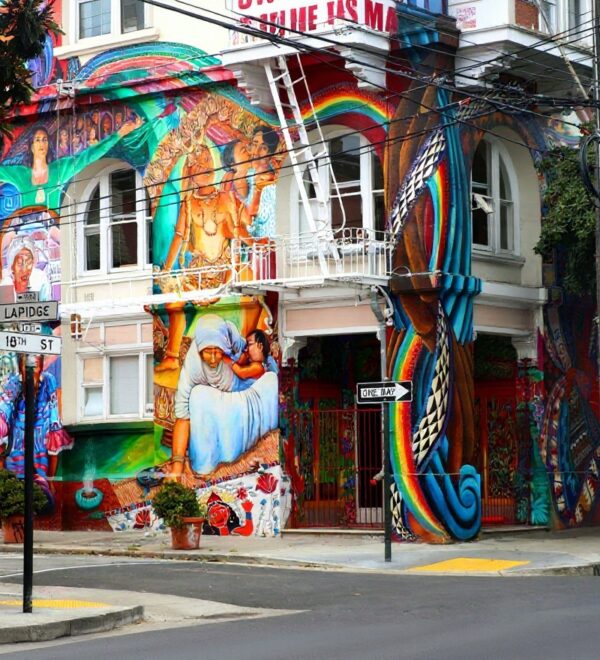
Pilsen is the Mexican-American neighborhood on the near southwest side, and it’s where Chicago’s most interesting visual art lives. The murals are everywhere — building sides, viaduct walls, backstreets — and they’re not tourist installations, they’re community art that’s been building for decades.
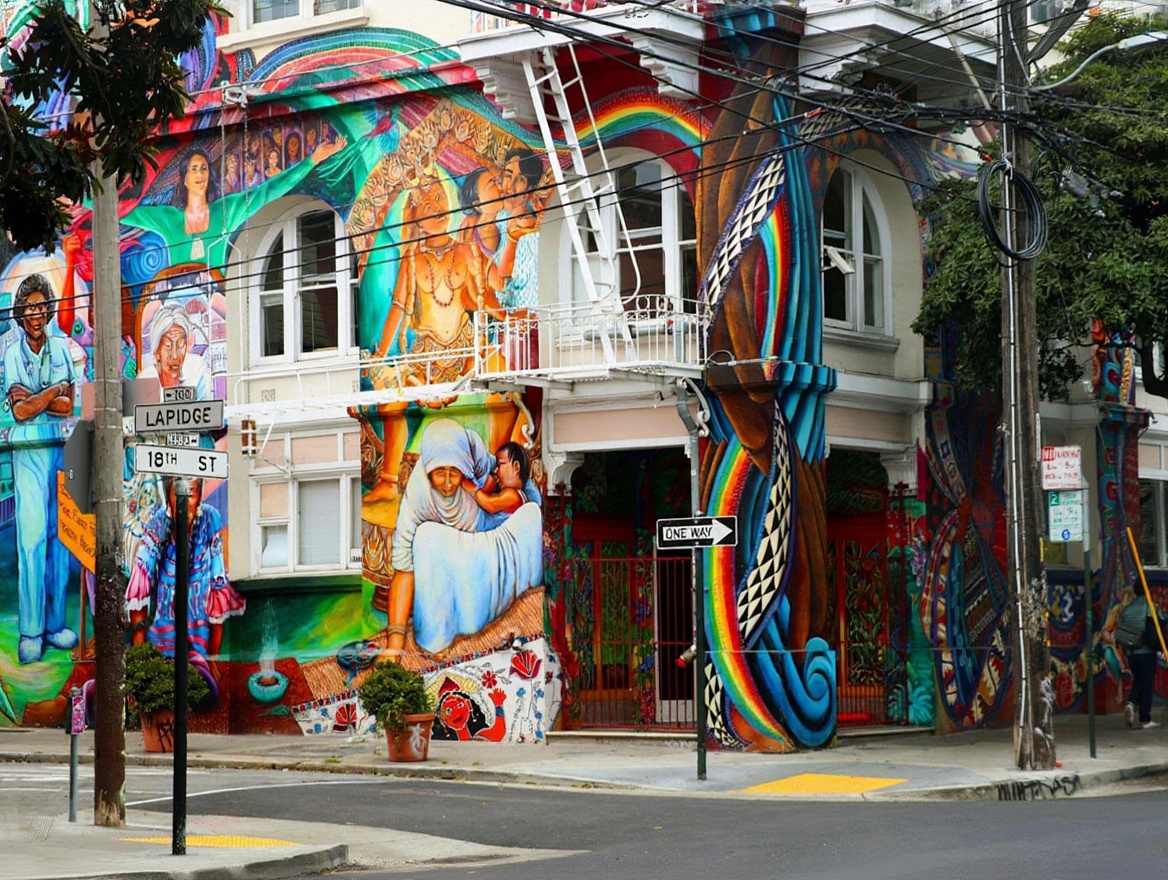
The main corridor is 18th Street. Take the Pink Line to 18th Street station.
What to do here:
– Walk 18th Street west from the L stop. The murals start immediately. Give yourself two hours to walk slowly and look at everything. Bring a decent phone camera.
– The National Museum of Mexican Art: free admission, excellent collection, consistently underrated in Chicago museum rankings. The permanent collection covers 3,000 years of Mexican art and culture. Worth 90 minutes.
– El Milagro Tortilleria: industrial tortilla operation that also sells from a small shop at the front. Buy fresh tortillas and watch them come off the line.
– Carnitas Uruapan on South Racine: the restaurant that’s been in Pilsen since 1975. Order the carnitas plate. Don’t overthink it.
The tamale cart on 18th Street: it’s not always there, but when it is — steamed tamales, $2 each, better than anything in the restaurant a block away. It’s worth walking slowly and looking.
Andersonville — Chicago’s Most Underrated Neighborhood
Andersonville sits at the northern end of the Red Line (Berwyn stop), and most visitors don’t make it up here. This is a mistake. It’s the LGBTQ+ neighborhood (has been for 40 years), with Swedish heritage buildings, independent shops that have survived because the rents stayed lower than Wicker Park, and a genuinely good food scene.
What to do here:
– Hopleaf: Belgian beer bar with an excellent food menu (the mussels are the thing). No reservations, gets busy after 6pm, worth the wait.
– Women & Children First Bookstore: feminist bookstore since 1979. The kind of place that keeps a neighborhood honest.
– Simon’s Tavern: a 1934 bar that was a speakeasy during Prohibition. Unpretentious, cash-preferred, Christmas lights year-round. The kind of bar where nobody is performing.
– Swedish Bakery (closed, RIP): I’m leaving this in because its absence left a hole in the neighborhood that’s still being filled. The replacement bakeries are fine. They’re not the same.
•Worth Knowing
I once recommended a bar in Andersonville to visiting friends and showed up to find it had closed three months earlier. Always check that something’s still open before you make a trip. Andersonville has a slower turnover than Wicker Park but it’s not immune.
Hyde Park — Obama’s Neighborhood and One of Chicago’s Most Interesting Pockets
Hyde Park is 7 miles south of the Loop on the lakefront, home to the University of Chicago, and genuinely unlike anything else in the city. It’s academic, diverse, architecturally interesting, and connected to the South Side in ways that give it a completely different energy from the north side neighborhoods.
Take the Metra Electric from Millennium Station (in the Loop) to 55th-56th-57th Street station. 20 minutes. $4.
What to do here:
– The Museum of Science and Industry: the best museum in Chicago, and one of the best in the country. The U-505 submarine exhibit alone is worth the trip. Adult entry is $21.95. Budget at least 3 hours.
– Promontory Point: a lakefront park at 55th Street with panoramic views of the skyline. Locals swim here in summer. Better than the crowded beaches to the north.
– Harold’s Chicken Shack: the South Side institution. 57th Street location. Fried chicken with mild sauce (a Chicago specific thing — ask for it).
– Powell’s Books: used bookshop on 57th Street, excellent academic and literary selection. Different inventory entirely from Myopic in Wicker Park.
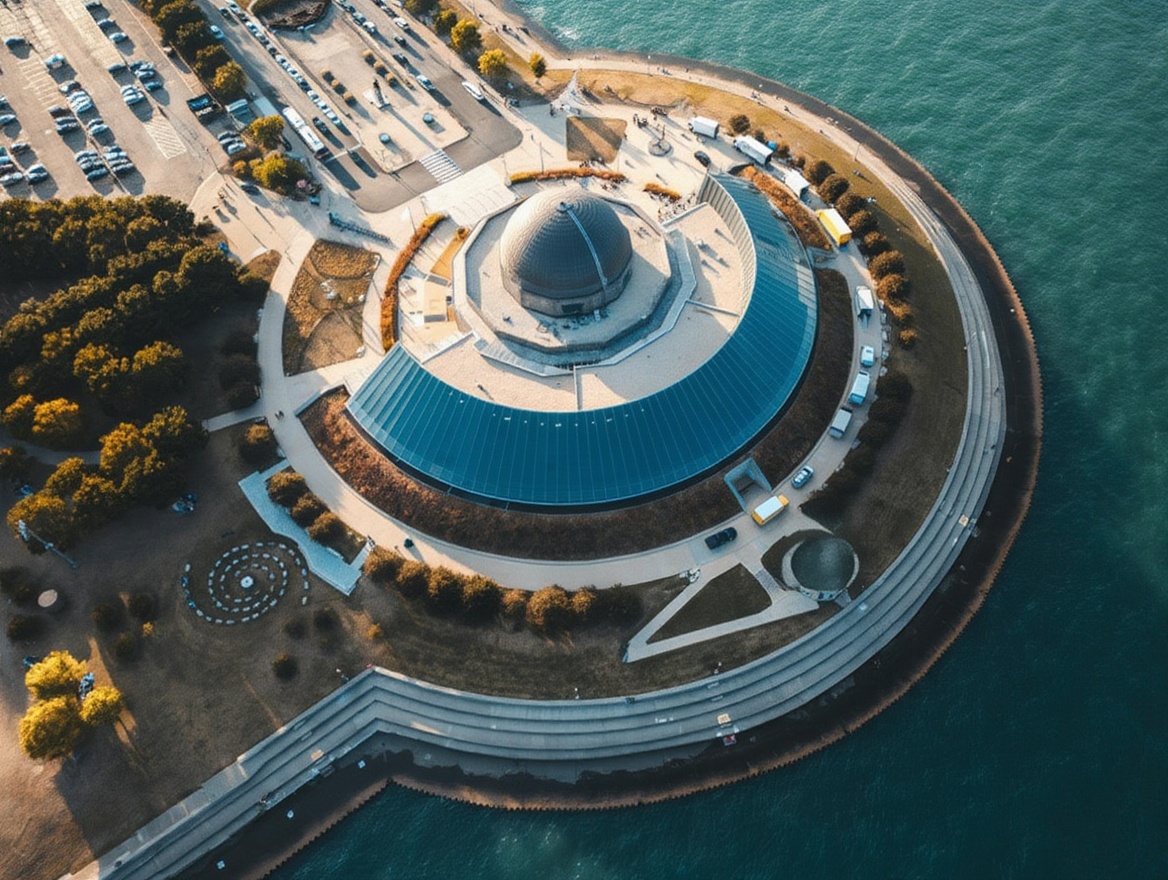
The Obama family home is on Greenwood Avenue in Kenwood (adjacent to Hyde Park). It’s on a private street with Secret Service detail — you can see it from the perimeter but it’s not a visitor attraction.
Lincoln Square — The Quiet One That’s Worth the Trip
Lincoln Square is the neighborhood nobody tells you about unless they live there. German-Scandinavian heritage, a walkable main street (Lincoln Avenue), and the Brown Line makes it surprisingly easy to reach from downtown.
What to do here:
– Old Town School of Folk Music: one of Chicago’s genuinely distinctive institutions. Concerts, classes, open mics. Check the calendar — there’s almost always something worth seeing.
– Koval Distillery: Chicago’s first craft distillery since Prohibition, producing whiskey, gin, and liqueurs in the Ravenswood area. Tours and tastings available ($15). Call ahead.
– The Chicago Brauhaus: a German beer hall that’s been on Lincoln Avenue since 1967. Polka on weekends. This sounds like a joke. It’s not — it’s excellent.
– The square itself: the small plaza with the Goethe statue. Saturday mornings the farmers market sets up here. Quieter and more neighborhood-feeling than Logan Square.
The Neighborhoods to Skip (Or Be Realistic About)
River North: the restaurant and gallery neighborhood north of the Loop. Expensive, loud on weekends, and the “art galleries” are mostly commercial galleries selling large-format prints to hotel buyers. There are good restaurants here (RPM Italian, Gilt Bar) but the neighborhood vibe is corporate. Go for dinner, don’t make it your base.
Navy Pier: fine if you have children under 12. Otherwise, skip it. The ferris wheel is okay. Everything else is standard tourist infrastructure.
The Magnificent Mile: it’s Michigan Avenue. It has Nordstrom and Zara and a Gap and the same stores that exist in every other American city. The architecture is genuinely impressive (the Tribune Tower, the Wrigley Building, the Chicago Water Tower). Walk it once for the buildings. Don’t shop here unless you’re looking for something specific.
Wrigleyville: great if the Cubs are playing and you want the sports bar experience. Empty and characterless when they’re not. The Sheffield neighborhood immediately around the park has a neighborhood feel — Wrigleyville proper is a bar district built around a stadium.
Practical Notes
Getting around: Ventra app on your phone. Load it with transit value. $2.50/ride on the L, $2.25 on the bus. Day pass: $10. Three-day pass: $20. DO NOT take cabs from O’Hare — the flat rate is $55. The Blue Line from O’Hare is $5 and drops you at Wicker Park (Damen stop) in 25 minutes.
Weather: Chicago weather is not a cliché. January and February are genuinely cold — wind off Lake Michigan makes -15°C feel like -25°C. July and August are hot and humid. The sweet spots are May, June, September, and October. Plan outdoor neighborhood walks accordingly.
Divvy Bikes: the bike share system covers most of the neighborhoods on this list. Day pass: $15 (unlimited 3-hour rides). Good for the 606 Trail, the lakefront path, and getting between neighborhoods that are close but annoying by transit.
Food cost context: a meal at a good Chicago restaurant runs $18–35 per person before drinks. Neighbourhood lunch spots: $12–18. Deep dish for two at Lou Malnati’s: $28–34 for a small pizza (it feeds two people if you’re not enormous). Plan accordingly.
Getting Between Neighborhoods — The Actual Routes
Chicago’s transit system is good if you understand it and genuinely frustrating if you don’t. Here’s how to connect the specific neighborhoods in this guide without resorting to $30 Ubers.
Wicker Park → Logan Square:
Blue Line from Damen stop (Wicker Park) to Logan Square stop. Four stops, seven minutes. This is the easiest connection in the guide. You can also walk it in 30 minutes along Milwaukee Avenue — the walk is interesting because you pass through the neighborhood transition gradually.
Wicker Park → Pilsen:
No direct train. Options: Blue Line to the Loop (Damen → Clark/Lake), then Pink Line to 18th Street stop. Total: 35–40 minutes, two transfers. Or take the 50 Damen bus south from Wicker Park — it’s slower (45 minutes) but doesn’t require the Loop transfer. On a weekend without traffic, an Uber is $12–15 and 15 minutes.
Wicker Park → Andersonville:
Blue Line inbound to the Loop (Clark/Lake), then Red Line north to Berwyn stop. About 40 minutes. Alternatively, the 77 Belmont bus runs crosstown from Belmont/Damen (near Wicker Park) to the Red Line at Belmont station, then north on the Red Line to Berwyn. This is the better route if you’re already on the north side.
Logan Square → Pilsen:
Same issue as Wicker Park → Pilsen: no direct connection. Logan Square stop on the Blue Line to Clark/Lake, then Pink Line south to 18th Street. About 35 minutes. The Divvy bike share works here if the weather is good — it’s 4.5 miles, mostly flat, and the route down Western Avenue is manageable.
Anywhere → Hyde Park:
The Metra Electric is the correct answer. Millennium Station (under the Millennium Park parking structure, 151 E. Randolph St) to 55th-56th-57th Street station: 20 minutes, $4.25 one-way. Runs every 30–60 minutes depending on time of day — check the schedule on the Metra app before you go. The Red Line south works but takes 40+ minutes with a bus transfer at the end.
Andersonville → Lincoln Square:
Both are on the north side. From Berwyn (Red Line) take the Brown Line south to Western, then north (or take a Divvy bike — they’re 1.5 miles apart on a mostly flat route). This is a 20-minute journey either way.
Getting back to your hotel at night:
The L runs all night on a reduced schedule. After midnight on weekdays, trains run every 30 minutes on most lines. After 2am, the Blue Line (which serves Wicker Park and Logan Square) goes to a 30-minute frequency that can feel very long at 2:30am in winter. Plan ahead or use Lyft/Uber for the last mile if you’re coming back from Andersonville or Hyde Park after midnight.
Best Times to Visit Each Neighborhood (Season and Time of Day)
Chicago is a different city in July and January. The neighborhoods are all worth visiting year-round, but the experience varies enough that timing genuinely matters.
Wicker Park:
– Best season: May, June, September. The 606 Trail is extraordinary in leaf. The outdoor dining on Milwaukee Avenue works.
– Summer (July–August): busy, tourist-adjacent, the Damen/Milwaukee intersection gets crowded on weekends. Go early or late.
– Winter: perfectly fine — the bar scene is active year-round. The 606 in snow is actually good if you dress for it.
– Best time of day: Saturday morning (Myopic Books, coffee at Café Mustache, walk the 606) or weekend evening (dinner, bars).
Logan Square:
– Best season: Sunday mornings May–October. The farmers market defines the neighborhood in summer. The boulevard system through the old mansions is brilliant in fall when the leaves are turning.
– Winter: the restaurants are excellent year-round. Longman & Eagle’s winter menu is better than the summer one.
– Best time of day: Sunday 8–11am for the market. Friday/Saturday evening for the restaurant and bar scene.
Pilsen:
– Best season: late spring and summer. The murals are best in good light, and the neighborhood is more active outdoors.
– Best time of day: Saturday late morning (10am–noon). The 18th Street corridor is busy enough to feel alive, not so crowded that you can’t walk and look.
– The National Museum of Mexican Art: weekday mornings are quietest. Free admission means no ticketing delay.
Andersonville:
– Best season: fall. The Swedish bakery legacy, the independent shops, the cozy bar atmosphere — all of this is better when it’s cold outside and the bar is warm.
– Summer: the Pride events and the outdoor café season make it lively.
– Best time of day: late afternoon into evening — Hopleaf for a 5pm beer (go before the wait gets long), then walk Clark Street.
Hyde Park:
– Best season: spring and fall, when the university is in session and the neighborhood has its proper energy. Summer gets quieter when students leave.
– Best time of day: weekday morning for the Museum of Science and Industry (less crowded than weekends). Promontory Point is best in evening — the skyline light is better.
– The Metra schedule matters: check the last train back to the Loop (typically around midnight) if you’re doing an evening visit.
Lincoln Square:
– Best season: fall. The German-Scandinavian character of the neighborhood is more coherent when the weather calls for it.
– Saturday morning for the small square farmers market. Evening for The Chicago Brauhaus (if you want polka with your beer, Saturday night is the time).
Chicago Neighborhood Itineraries: How to Combine Them
Most visitors don’t visit one neighborhood — they string several together across a multi-day trip. Here’s how the neighborhoods in this guide combine practically, with transit times and logical sequencing.
The Northwest Side Day (Blue Line): Start at Wicker Park (Blue Line, Division stop) — morning coffee and a walk down Milwaukee Avenue. Take the Blue Line two stops west to Logan Square for lunch at Daisies or Lula Cafe. Walk the boulevard system in the afternoon. Blue Line back downtown. Total transit: $5 for a day pass covering all trips. Walking distance in neighborhoods: 3–4 miles at a casual pace. Best done on a Sunday when Logan Square’s farmers market is running (May–October) — add the market before lunch for the full version.
The Cultural Day (Pink Line + Metra): Pilsen in the morning — Pink Line to 18th Street, murals, National Museum of Mexican Art. Lunch at Carnitas Uruapan ($18–22 for two, cash). Blue Line up from Pilsen (Pink Line back to Clark/Lake, Blue Line west one stop to UIC-Halsted, walk to Halsted) to the Near West Side, then Hyde Park via Metra Electric from Millennium Station ($4.25 each way). Museum of Science and Industry in Hyde Park ($21.95). This is a long day — 8–10 hours — but it covers two of Chicago’s most culturally distinct neighborhoods with genuinely good anchors at each end.
The North Side Day (Red Line): Andersonville in the morning — Red Line to Berwyn, Ann Sather for cinnamon rolls, walk Clark Street south. Red Line back south to Fullerton for Lincoln Park Zoo and the Conservatory in the afternoon. Red Line south to Addison for Wrigleyville and Murphy’s Bleachers if the Cubs are playing (check the schedule). Back downtown on the Red Line. Total transit: one day pass ($5) covers all of it. This route is 7–8 miles of Chicago lakefront corridor compressed into a manageable single day.
The Three-Day First-Timer Circuit:
Day 1: Loop (Architecture Cruise, Riverwalk, Millennium Park, Art Institute). Day 2: Wicker Park and Logan Square on the Blue Line — lunch, bars, the 606 trail, dinner at a Logan Square restaurant. Day 3: Pilsen in the morning (murals, museum), Lincoln Park in the afternoon (zoo, Green City Market if Saturday), dinner at Pequod’s. This covers the most important architectural, cultural, and food dimensions of Chicago in three days without feeling rushed.
The Neighborhoods Worth a Second Visit
If you’ve been to Chicago before and you’ve done the main circuit — Wicker Park, Lincoln Park, Pilsen, the Loop — here’s where to look for the second trip.
Bridgeport: The South Side neighborhood where Mayor Daley (both of them) grew up. Home to Guaranteed Rate Field (the White Sox stadium), Ricobene’s (the breaded steak sandwich institution), and a neighborhood character that’s completely different from the North Side neighborhoods most visitors encounter. Take the Red Line to 35th-Bronzeville, walk west. The neighborhood is not on any tourist circuit. That’s the point.
Bronzeville: Chicago’s historic African-American neighborhood on the South Side, centered on 35th and State. The street murals here are less photographed than Pilsen but equally significant — the Illinois Institute of Technology’s Mies van der Rohe campus is in Bronzeville, which is a genuinely surreal juxtaposition with the neighborhood’s blues history. Red Line to 35th-Bronzeville.
Avondale: The neighborhood just northwest of Logan Square that’s been getting quieter attention from Chicago food people for the past few years. Cheaper rents than Logan Square have attracted a few restaurants worth making the trip for. Still genuinely neighborhood-feeling in a way that Logan Square proper has partially outgrown. Blue Line to Belmont, walk north on Kedzie.
Beverly: The far South Side neighborhood that functions as a self-contained small town within Chicago — bungalow houses, Irish pubs, the Beverly Arts Center, a neighborhood character unlike anything on the North Side. Metra Rock Island Line to 91st/Beverly. Takes 35–40 minutes from the Loop but genuinely worth the trip if you want to see a part of Chicago that operates completely independently of the tourist economy.
- What is the best neighborhood to stay in Chicago?
- Wicker Park for the best combination of access, walkability, and neighborhood character. The Blue Line puts you downtown in 12 minutes and at O’Hare in 25. Logan Square is slightly further out but has better restaurants right now. River North is the tourist default — convenient, expensive, and not really Chicago. If you want the city’s actual character, stay northwest.
- Is the Magnificent Mile worth visiting?
- For the architecture, yes. Walk Michigan Avenue once — the Tribune Tower, the Wrigley Building, and the Chicago Water Tower are genuinely impressive. For shopping, only if you need something specific that you can’t find anywhere else. The stores are the same chains in every other American city. The lakefront park immediately east of Michigan Avenue (Grant Park, Millennium Park) is worth your time — that’s where the Bean is and it’s free.
- What Chicago neighborhoods are safe for tourists?
- All of the neighborhoods on this list are safe for tourists: Wicker Park, Logan Square, Pilsen, Andersonville, Lincoln Square, Hyde Park, and the north lakefront neighborhoods (Lincoln Park, Lakeview). Chicago has areas with high crime rates — primarily on the far south and west sides — but these are not areas that appear on any tourist itinerary. The neighborhoods that visitors actually go to are fine.
- How do I get between Chicago neighborhoods without a car?
- The L train handles most of it. Get the Ventra app, load it with transit value, and use the Blue Line for Wicker Park and Logan Square, the Red Line for Lincoln Park, Lakeview, and Andersonville, and the Brown Line for Lincoln Square. For Pilsen, take the Pink Line. For Hyde Park, take the Metra Electric from Millennium Station. Divvy bike share covers the gaps. A car makes things marginally easier but is not necessary for the neighborhoods on this list.
- What is the best Chicago neighborhood for food?
- Logan Square has the best concentration of independently-owned, chef-driven restaurants right now. Wicker Park has more variety. Pilsen has the best Mexican food in the city. Andersonville has the most consistent mid-range options. River North has the most celebrated fine-dining restaurants (Alinea is nearby in Lincoln Park) but also the most tourist-facing options. For deep dish: Lou Malnati’s has locations across the city — the Wrigleyville location is the one I’d recommend.
- Is Chicago worth visiting in winter?
- Yes, but understand what you’re signing up for. January and February are genuinely cold — temperatures of -15°C with wind chill of -25°C are real. The lake effect makes it worse. Museums, restaurants, and music venues are all still operating and often less crowded. Outdoor activities are limited. If you visit in winter: good coat, waterproof boots, layers, and plan around indoor venues. March starts to thaw. November and early December are manageable and have less tourist crowds than summer.